Skip to content
Zakhor
Great Books · Objects

520 Historical Objects(13)

Discover the material treasures of Jewish heritage

An object carries a history that words alone cannot tell: a scroll, a candelabrum, a marriage contract, an amulet handed down from generation to generation. The Great Books of objects gather this material heritage — its provenance, its use, its meaning and the families or communities to which it belongs. Each object is a tangible witness of Jewish life.

Suggest

520 objets

Temple Menorah
Ritual

Temple Menorah

מְנוֹרַת בֵּית הַמִּקְדָּשׁ

Provenance : Temple de Jérusalem

Location : Disparue après 70 (représentée sur l'Arc de Titus, Rome)

Material : Or pur, d'une seule pièce

Date : -516 — 70 apr. J.-C.

The seven-branched candelabrum, the most iconic symbol of Judaism. Forged from a single piece of gold according to divine instructions.

Table of Showbread
Ritual

Table of Showbread

שֻׁלְחָן לֶחֶם הַפָּנִים

Provenance : Temple de Jérusalem

Location : Représentation sur l'Arc de Titus, Rome

Material : Or pur (décrit dans Exode 25:23-30)

Date : c. Ier siècle av. J.-C.

Golden table from the Temple of Jerusalem on which twelve loaves were placed every Shabbat as a perpetual offering before the Lord.

Second Temple Period Ossuaries
Funerary

Second Temple Period Ossuaries

גְּלוּסְקְמָאוֹת מִתְּקוּפַת בַּיִת שֵׁנִי

Provenance : Jérusalem et environs

Location : Musée d'Israël ; Musée Rockefeller

Material : Pierre calcaire sculptée

Date : c. Ier siècle av. J.-C. — Ier siècle

Small stone chests used for secondary burial practices. Some bear inscriptions in Hebrew, Aramaic or Greek, providing valuable information about Jewish names and families.

Magdala Stone
Archaeological

Magdala Stone

אֶבֶן מַגְדָּלָא

Provenance : Magdala (Migdal), Galilée

Location : Musée d'Israël, Jérusalem

Material : Pierre calcaire sculptée

Date : c. Ier siècle av. J.-C.

Stone block discovered in 2009 in the ruins of a Magdala synagogue. Bears the oldest known representation of the seven-branched Temple menorah.

Bar Kokhba Coins
Numismatic

Bar Kokhba Coins

מַטְבְּעוֹת בַּר כּוֹכְבָא

Provenance : Judée

Location : Musée d'Israël ; Collections privées

Material : Bronze et argent

Date : 132 — 135

Coins minted during the Bar Kokhba revolt (132-135). Bear Jewish symbols and ancient Hebrew inscriptions: "For the freedom of Jerusalem."

Beit Alpha Mosaic
Art

Beit Alpha Mosaic

פְּסִיפַס בֵּית אַלְפָא

Provenance : Beit Alpha, vallée de Jezréel

Location : Parc national de Beit Alpha, Israël

Material : Mosaïque de pierres polychromes

Date : c. Ve — VIe siècle

Magnificent mosaic pavement depicting the zodiac wheel, the Ark of the Covenant and the Binding of Isaac. Exceptional testimony of ancient synagogue art.

Madaba Map
Cartographic

Madaba Map

מַפַּת מֵידְבָא

Provenance : Madaba, Jordanie

Location : Église Saint-Georges, Madaba

Material : Mosaïque de sol

Date : c. 560

The oldest known map of the Holy Land, depicting Jerusalem and surroundings in floor mosaic. Shows remarkable details of topography and monuments.

Illuminated Scroll of Esther
Art

Illuminated Scroll of Esther

מְגִילַּת אֶסְתֵּר מְאוּיֶּרֶת

Provenance : Europe (Italie, Pays-Bas)

Location : Musée d'Israël ; British Museum

Material : Parchemin, encre, enluminures à l'or

Date : c. XVIIe — XVIIIe siècle

Illuminated scrolls of the Book of Esther, used during the Purim holiday. These art pieces combine Hebrew calligraphy with figurative decoration.

Ritual

Silver circumcision wine cup (kos shel brit), Germany

כוס יין של ברית מכסף, גרמניה

Provenance : Allemagne (Francfort, Augsbourg)

Material : Argent, parfois partiellement doré

Small footed cup used for the blessing of wine at the brit milah, a drop of which is touched to the child's lips. The engraved body often bears the formula "beda-mayikh hayi" ("in your blood, live") and the Hebrew date, sometimes a circumcision scene. It differs from the Kiddush cup by its inscription specific to the covenant.

Art

Engraved Copper Direction Plaque (Mizrah) from the Maghreb

מזרח חרוט על נחושת מהמגרב

Provenance : Afrique du Nord (Maroc, Algérie, Tunisie)

Material : Cuivre ou laiton gravé

Picture marking the eastern wall of a North African Jewish home, toward which prayer is turned. Rather than the European papercut, Maghrebi usage often turns to engraved metal: on a copper or brass plate, the word mizrah, verses, a menorah, a hamsa and floral motifs are incised, sometimes heightened, in the regional ornamental repertoire.

Ritual

Yemeni filigree etrog box

קופסת אתרוג

Provenance : Yémen

Material : Argent filigrané

Date : XIXe siècle

This casket protected the citron (etrog), one of the four plant species (arba minim) ritually handled during the festival of Sukkot, a fruit whose perfect integrity is required and must therefore be preserved. The citron, joined with the lulav during the festival's blessings and processions, is a precious object that must be kept safe from damage. Fashioned in the silver filigree typical of Yemen, this casket is covered with the granulation and openwork twists that have made Yemeni Jewish silversmithing renowned. Both a ritual object and a precious case, it illustrates the application of Yemeni silversmithing expertise to the needs of Sukkot worship.

Art

Jewish ceremonial marriage ring

טבעת נישואין יהודית טקסית

Provenance : Italie et Allemagne

Material : Or

Some communities owned ceremonial marriage rings, sometimes topped by a little house or gabled building symbolising the home or the Temple, inscribed "mazal tov." Too large for daily wear, they served only the ring rite of the wedding.

Ritual

Italian Gilt Leather Ark Curtain (Cordovan Leather)

פרוכת

Provenance : Italie

Material : Cuir doré et peint

Date : XVIIe siècle

This curtain (parokhet) was drawn before the holy ark (Aron Kodesh) housing the Torah scrolls in the synagogue, in memory of the veil that separated the Holy of Holies in the Temple. This type is made of embossed and gilded leather using the Cordovan leather technique (guadamecí), a craft inherited from medieval Spain and disseminated throughout modern Europe. Italian pieces deploy in relief a central niche, columns, and symbols of the Torah such as the crown and the Tablets of the Law. An object of sanctuary display, this gilt leather parokhet illustrates the application of prestigious decorative techniques to Italian synagogue art.

Art

Engraved-plaque betrothal ring (siblonot), Germany

טבעת אירוסין עם לוחית מפותחת, גרמניה

Provenance : Allemagne, Europe centrale

Material : Or ou argent doré

Ring given at the betrothal (siblonot), whose bezel, sometimes hinged, bears a Hebrew inscription or an engraved plaque. Distinct from the actual wedding ring given under the huppah, it belonged to the gifts exchanged between families. Ashkenazi examples reflect the care devoted to the engagement phase.

Art

Illuminated confraternity pinkas (register) from Central Europe

פנקס

Provenance : Europe centrale

Material : Parchemin et papier

Date : XVIIIe siècle

The pinkas is the manuscript register of a community (kehilla) or confraternity (hevra), in which statutes, membership lists, deliberations, accounts, and the notable events of collective life were recorded. Both an administrative and a memorial document, it constitutes a primary historical source. Central European pinkasim frequently open with an illuminated title page and calligraphed lists, some featuring careful illuminations at the head of each section. Maintained sometimes over several centuries, they trace the internal organization, charity, conflicts, and Memory of Jewish communities, and stand as an essential testimony to their autonomy.

Art

Manuscript Mahzor of the Italian Rite

מחזור

Provenance : Italie

Material : Parchemin

Date : XVe siècle

The mahzor is the prayer book for the major festivals (Rosh Hashanah, Yom Kippur, and, depending on the rite, the pilgrimage festivals), which assembles, in addition to the ordinary prayers, the piyyutim, liturgical poems specific to each solemnity. The Italian rite (minhag Italki) possesses its own composition of these poems and its distinct liturgical ordering. The manuscripts of this rite, copied on parchment before the spread of printing, are distinguished by their illuminated initials, their borders, and their margins peopled with grotesques and decorative motifs. These books rank among the richest witnesses to Hebrew manuscript illumination of the medieval period and the Renaissance in Italy.

Ritual

Carved Wooden Reading Desk (Teva) from Italy

תיבה מעץ מגולף מאיטליה

Provenance : Italie

Material : Bois sculpté et doré

Central platform and desk of the Italian synagogue, called teva or bimah, from which the Torah is read. Often set at the center or facing the ark in the Italian bipolar layout, it is carved and gilded by baroque cabinetmakers, sometimes enclosed by a balustrade and topped with a canopy. The sloping, sometimes revolving desk receives the open scroll.

Ritual

Copper Ablution Ewer and Basin from the Maghreb

נטלה

Provenance : Afrique du Nord

Material : Cuivre

Date : XIXe siècle

This ritual ablution set, consisting of a two-handled ewer and its basin, is used for the washing of hands prescribed before a meal (over bread), upon waking, and before prayer — a frequent gesture of purification in Jewish life. The two handles allow the pitcher to be grasped alternately in each hand for pouring water. In North Africa, these copper pieces are hammered and engraved with geometric motifs, in a work of dinanderie common to Jewish and Muslim craftsmen alike. An object on the boundary between domestic utensil and ritual instrument, it testifies to the place of ritual hand-purity in the daily life of Maghrebi Jews.

Ritual

Wood and Stucco Holy Ark (Aron Kodesh) from the Ottoman Empire

ארון קודש מעץ וטיח מהאימפריה העות'מאנית

Provenance : Empire ottoman (Anatolie, Balkans)

Material : Bois, stuc, peinture, dorure

Cabinet housing the Torah scrolls on the eastern or southern wall of Ottoman Sephardi synagogues. Often treated as an architectural niche, with a horseshoe arch, carved stucco decoration, painting and gilding, in the shared Islamic ornamental taste. Closed by an ark curtain and doors, it forms the sacred focus toward which the congregation turns to pray.

Lachish letters (ostraca)
Archaeological

Lachish letters (ostraca)

אוֹסְטְרָקוֹנִים

Provenance : Lakish

Sherds inscribed in ink, Judean military correspondence on the eve of the fall of the kingdom of Judah (586 BCE).

Art

Illuminated ketubah, Ottoman Empire (Istanbul)

כתובה מעוטרת, האימפריה העות'מאנית (איסטנבול)

Provenance : Empire ottoman (Istanbul, Salonique, Izmir)

Material : Papier peint, gouache, or

Marriage contract of the Empire's great Sephardi communities, decorated in the Ottoman tradition: flowering vases, tulips and carnations, scrolling borders. The central Hebrew-Aramaic text is often crowned by an arch and flanked by cartouches of verses. The wording of the financial stipulations reflects Sephardi usages inherited from the Iberian peninsula.

Ritual

Cairo mosque-style enameled glass synagogue lamp

מנורת בית כנסת

Provenance : Égypte (Le Caire)

Material : Verre émaillé

Date : XIXe siècle

This hanging lamp illuminated the interior of the synagogue and is inspired by mosque lamps with a bulging body and long neck, widely used in the medieval and Ottoman Islamic world. In the countries of the Orient, Jews and Muslims shared many forms of lighting for places of worship, and Jewish communities adopted these glass lamps for their sanctuaries. Produced in Cairo in the nineteenth century, these pieces were enameled with Hebrew inscriptions and floral motifs in the taste inherited from Mamluk art. The object illustrates the integration of the Jews of Egypt into the artistic traditions of their environment and the adaptation of Islamic forms to synagogal use.

Ritual

Silver circumcision shield and clamp (magen)

מגן ופינצטה למילה מכסף

Provenance : Europe centrale et orientale

Material : Argent, acier

Small slotted silver instrument the mohel places over the foreskin to protect the glans before the incision; the slot guides the blade of the izmel. Often paired with a clamp and kept in the mohel's case, the shield sometimes bears an inscription or hallmark. Its elongated form distinguishes Ashkenazi variants from the broader models of other rites.

Ritual

Kiddush cup engraved with the Western Wall, from the Holy Land

כוס קידוש

Provenance : Terre sainte (Jérusalem)

Material : Argent

Date : XIXe siècle

This goblet was used for the blessing of wine (Kiddush) pronounced on Shabbat and the festivals, and bears an engraved view of the Western Wall and other holy sites of Jerusalem. Made in the Holy Land, it belongs to the production of pilgrimage souvenirs brought or sent from Jerusalem in the nineteenth and twentieth centuries, combining ritual function with Memory of the sanctuaries. The depiction of the Western Wall (Kotel), remnant of the Temple and the holiest site accessible to Jewish prayer, endowed the cup with particular symbolic significance. The object embodies the unbreakable bond of the diaspora with Jerusalem and the Temple.

Ritual

Tunisian flowered-pediment brass Hanukkah lamp

חנוכייה תוניסאית מפליז עם חזית פרחונית

Provenance : Tunisie

Material : laiton

Wall lamp of cut brass with eight spouts and a shamash, topped by an openwork pediment of flowers, crescents and stars, sometimes a hamsa hand. Workshops in Tunis and Djerba worked the brass in repoussé and piercing. Hung by a ring, it reflects the Judeo-Tunisian aesthetic blending Ottoman and local influences.

Map of the Twelve Tribes
Cartographic

Map of the Twelve Tribes

Provenance : Europe

Date : XVIe-XVIIe siècle

Map depicting the division of the Promised Land among the twelve tribes of Israel according to the Book of Joshua, often inserted into printed Bibles. It blends geography and scriptural reading.

Ritual

Mezuzah case in olive wood from the Holy Land

בית מזוזה

Provenance : Terre sainte (Jérusalem)

Material : Bois d'olivier

Date : XIXe siècle

This mezuzah case is a holder affixed to the right doorpost, protecting and housing the small parchment scroll (klaf) on which the verses of the Shema are inscribed. Affixing the mezuzah to the doors of one's home fulfills a biblical commandment and places the household under the sign of divine presence and protection. Fashioned from local olive wood, this type produced in the Holy Land during the nineteenth and twentieth centuries was often engraved with views of the Western Wall, the letter Shin, or Hebrew inscriptions. These cases also served as souvenirs brought back by pilgrims, combining ritual function with the Memory of the holy place.

Ritual

Engraved Marble Memorial Board (Yahrzeit) from Western Europe

לוח הזכרה משיש חרוט ממערב אירופה

Provenance : Europe occidentale (France, Angleterre, Allemagne)

Material : Marbre gravé, lettres dorées

Large wall panel fixed in the synagogue, engraved with the names of the deceased whose death anniversaries are commemorated. Beside each name a small electric or oil lamp is lit on the appointed date. On the marble, gilded Hebrew letters align in columns under a heading such as "Hazkarat neshamot," for remembrance of the souls of departed members.

Ritual

Yemeni bridal kamea case

קמיע

Provenance : Yémen

Material : Argent

Date : XIXe siècle

This amulet (kamea) was part of the Yemeni Jewish bride's adornment, worn during the wedding ceremony to protect her during a period considered vulnerable to harmful influences. It could contain or bear divine names and protective formulas. Jewish goldsmithing in Yemen, renowned for its mastery of filigree and granulation, ornamented it with tinkling pendants and engraved cylinders, integrated into the bride's abundant set of silver jewelry. This object illustrates the combination, in Yemeni Jewish material culture, of the protective function and ornamental richness of bridal adornments.

Ritual

Bohemian Seder cup with a Seder scene

כוס של אליהו

Provenance : Bohême

Material : Verre taillé

Date : XIXe siècle

This large cup, placed at the center of the Seder table at Pessah, is dedicated to the prophet Elijah: filled with wine, it is symbolically reserved for him, and the door is opened to welcome him, in anticipation of the deliverance he is to announce. Larger than the individual cups, it is a focal point of the Passover ritual. Examples in cut Bohemian glass, a region renowned for its glassware, are engraved or cut with a scene of the Passover meal or with an inscription welcoming the prophet. This object illustrates the encounter between the Bohemian glass industry and the domestic liturgy of Pessah.

Art

Illuminated Scroll of Esther (Megillah) from Italy

מגילת אסתר מאוירת מאיטליה

Provenance : Italie

Material : Parchemin, encre et gouache

Read on Purim, the Scroll of Esther is in Italy often richly illuminated: engraved or painted borders of arcades, scenes from the story and floral motifs framing the text columns. It illustrates the flowering of Jewish book art in the modern era.

Art

Silver filigree tefillin case from the Ottoman Empire

נרתיק תפילין מכסף פיליגרן מהאימפריה העות'מאנית

Provenance : Empire ottoman

Material : Argent

Rigid case of filigree silver protecting a tefillin box, sometimes fitted with a hinged lid. The mesh of twisted wires, occasionally gilded, follows the Ottoman taste for filigree. A dress piece of Sephardic families, combining protective function with refined silverwork.

Plan of Jerusalem and the Temple
Cartographic

Plan of Jerusalem and the Temple

מַפַּת יְרוּשָׁלַיִם

Provenance : Diaspora

Representations of Jerusalem and the Temple, from medieval maps to modern views.

Ritual

Woven lulav holder (four species basket) from North Africa

מחזיק לולב

Provenance : Afrique du Nord

Material : Vannerie de palme

Date : XIXe siècle

This basket, woven from palm leaves, was used to transport and preserve the lulav, a palm branch bound with myrtle and willow, one of the four plant species (arba minim) waved ritually during the festival of Sukkot. Throughout the seven days of the festival, worshippers hold the lulav and the citron (etrog) during blessings and processions at the synagogue. In North Africa, this type of holder was fashioned from woven plant fibers and accompanied the four species from home to the service. A utilitarian and seasonal object, it belongs to the material culture of Sukkot and the use of local materials in Maghrebi Judaism.

Ritual

Circumcision knife (izmel) with agate-and-silver handle, Orient

סכין מילה עם ידית אגט וכסף, המזרח

Provenance : Empire ottoman, Perse, Levant

Material : Acier, agate, argent

Double-edged blade mounted on a precious handle of agate or hardstone banded with silver, the hard material being held a favourable omen. Distinct from mother-of-pearl or bone handled models, this Eastern type was kept in the mohel's case. The decoration of the handle expressed the importance attached to the child's entry into the covenant.

Ritual

'Mizmor le-todah' protective plaque for the shop from North Africa

לוח שמירה "מזמור לתודה" לחנות מצפון אפריקה

Provenance : Afrique du Nord

Material : Cuivre ou laiton

Metal plaque engraved with verses of blessing and success (often Psalm 100 or formulas of prosperity), hung in the Jewish merchant's shop or workshop. Framed by hamsas and stars, it called blessing upon the trade. A commercial variant of the household plaques.

Art

Bridal silver-plaque necklace (labba), Tunisia

ענק כלה מלוחיות כסף, תוניסיה

Provenance : Tunisie (Tunis, Djerba)

Material : Argent, parfois doré, pierres

Heavy bridal necklace of assembled silver plaques and pendants worn by the Jewish bride of Tunisia. The repoussé and filigree work, often by Jewish silversmiths, multiplies floral motifs, fish and protective hamsas. The labba completed the wedding set with matching bracelets and earrings.

Medieval Hebrew gravestone
Funerary

Medieval Hebrew gravestone

מצבה

Provenance : Europe (Worms, Tolède, Prague)

Date : XIe-XIVe siècle

Tombstone engraved with an epitaph in rhymed Hebrew, often adorned with clan symbols (hands for the Cohanim, ewer for the Levites). The oldest cemeteries of Europe preserve series of them.

Numismatic

Community matsa token (bread of affliction token)

אסימון מצה

Provenance : Europe centrale

Material : Plomb ou laiton

Date : XVIIIe siècle

This token was issued by a Jewish community entitling the bearer to a ration of unleavened bread (matsot) for the festival of Pessah, distributed to needy families as an act of communal solidarity. The production and free distribution of matsot to the poor (maot hittim) was a charitable obligation undertaken by community institutions before the festival. These tokens, struck in lead or brass, generally bear the weight or number of matsot owed and the name or emblem of the issuing kehilla. They belong to Jewish paramonetary numismatics and document the mechanisms of internal assistance in Central European communities.

Cartographic

Map of the Holy Land printed in Amsterdam

מפת ארץ הקודש שנדפסה באמסטרדם

Provenance : Amsterdam

Material : Papier (gravure)

Hebrew printers in Amsterdam added to some Haggadot and Bibles engraved maps of the Land of Israel, showing the division among the twelve tribes and the route of the Exodus. Blending geography and biblical memory, they spread a learned image of the Promised Land.

Art

Painted bridal trousseau chest, Italy

תיבת נדוניה מצוירת, איטליה

Provenance : Italie

Material : Bois peint et doré

Chest to hold the linens and goods brought by the bride, in the manner of the Italian cassoni, adapted by Jewish families. The painted decoration could include Hebrew blessing inscriptions and family arms. The chest's contents, itemized in the ketubah, secured the wife's property rights.

Ritual

Eastern European printed Simchat Torah flag

דגל שמחת תורה מודפס ממזרח אירופה

Provenance : Europe orientale

Material : papier

Small colored paper flag fixed to a wooden staff, waved by children during the hakafot of Simchat Torah. The chromolithograph print shows lions, Torah scrolls, King David or festival verses. Often topped with an apple and a candle, it spread the Jewish folk imagery of Eastern European print shops.

Art

Scroll of Esther of the Jews of Morocco

מגילת אסתר של יהודי מרוקו

Provenance : Maroc

Material : Parchemin et étui d'argent

In Morocco the Scroll of Esther was often kept in an engraved or filigree silver case, in workmanship close to that of local jewellery and Torah objects. Read on Purim, it received care and expense reflecting the joy of the festival.

Jewish gold glass
Art

Jewish gold glass

Provenance : Rome

Date : IIIe-IVe siècle

Bases of glass cups inlaid with a gold leaf engraved with Jewish symbols (menorah, ark, lulav, shofar), often reused to seal the tombs of the catacombs. They sometimes bear Latin inscriptions.

Ritual

Printed domestic Shiviti plaque from Germany

לוח שיויתי ביתי מודפס מגרמניה

Provenance : Allemagne

Material : Papier imprimé

Printed, framed sheet bearing the verse 'I have set the Lord always before me' and the calligraphed Tetragrammaton, meant for the home wall to recall the divine presence. Ashkenazi versions often add a micrographic menorah of Psalm 67. The domestic counterpart of the synagogue shiviti.

Omer counter
Ritual

Omer counter

לוח ספירת העומר

Tablet or scroll fitted with a sliding mechanism, sometimes in carved wood, used to display each day the count of the forty-nine days between Passover and Shavuot. It bears the blessings of the ceremony.

Herodian coinage
Numismatic

Herodian coinage

Provenance : Judée

Date : Ier siècle av.-Ier siècle apr. J.-C.

Bronze coins struck by Herod the Great and his successors, bearing non-figurative symbols such as the anchor, the tripod, or the cornucopia. They generally avoid human portraits.

Ritual

Painted Wooden Holy Ark (Aron Kodesh) from Poland

ארון קודש מעץ צבוע מפולין

Provenance : Pologne et Ukraine

Material : Bois sculpté et peint polychrome

In the wooden synagogues of Eastern Europe, the holy ark was a tall, multi-tiered carved structure painted in vivid colors. Symbolic animals (lions, stags, eagles, griffins), flowering vases and biblical verses spread abundantly in the spirit of Ashkenazi folk art. Crowned with the Tablets of the Law, it formed the visual focus of prayer.

Ritual

Pearl-Embroidered Velvet Ark Curtain (Parokhet) from Salonika

פרוכת קטיפה רקומה בפנינים מסלוניקי

Provenance : Salonique (Empire ottoman)

Material : Velours, fils d'or, perles de semence

Ark curtain of the great Sephardi community of Salonika, famed for its embroidery. On dark velvet, the decoration combines gold thread with fine seed-pearl embroidery, drawing arches, flowering vases and inscriptions. The couching and pearl technique, inherited from Spain and enriched through Ottoman contact, marks the Salonika works.

Art

Seven-ring betrothal goblet, Italy

גביע אירוסין, איטליה

Provenance : Italie (Venise)

Material : Argent doré

Double goblet with two pivoting bowls allowing the betrothed to drink together, derived from Renaissance wedding cups. Adorned with Hebrew blessing inscriptions, it served for the sharing of wine at the engagement. This learned form, proper to prosperous Italian communities, attests to their integration into Renaissance tableware arts.

Silver etrog box from Germany
Ritual

Silver etrog box from Germany

קופסת אתרוג מכסף מגרמניה

Provenance : Allemagne

Material : Argent

During Sukkot the citron (etrog) must be protected from knocks. German etrog boxes, in silver often shaped like a fruit or a gadrooned casket, protect the precious citrus and rank among the finest pieces of festival silver.

Art

'Hamsa and Psalm 121' birth plaque in ceramic from Morocco

לוח לידה "חמסה ומזמור קכ"א" מקרמיקה ממרוקו

Provenance : Maroc (Fès, Safi)

Material : Céramique

Tile or plaque of glazed faience combining a protective hand and Psalm 121, hung in the child's room. The blue- and green-glazed ceramics of Fez and Safi supplied models for the Moroccan Jewish home. A ceramic variant of the silver amulets.

Ritual

Silver newborn amulet plaque "Lamnatzeach", Orient

לוחית קמיע מכסף לרך הנולד "למנצח", המזרח

Provenance : Irak, Syrie, Levant

Material : Argent gravé

Silver plaque engraved with Psalm 67 laid out as a menorah, hung near the cradle to protect the infant. Widespread in the Eastern communities, this diagram was held to be a powerful protective motif. The margins often bear divine names and the formula warding off the evil eye.

Art

Jewish gold wedding ring with "mazal tov" inscription, Orient

טבעת נישואין יהודית מזהב עם כתובת "מזל טוב", המזרח

Provenance : Empire ottoman, Levant, Afrique du Nord

Material : Or

Wedding ring bearing the Hebrew formula "mazal tov" ("good fortune") engraved inside or on the bezel. Unlike the architectural-bezel rings of Italy, these rings, widespread in the Orient, are sober and meant for daily wear. The husband's giving of the ring before witnesses legally seals the Jewish marriage.

Art

Gold-embroidered wedding canopy (huppah), Ottoman Empire

חופה רקומה בחוטי זהב, האימפריה העות'מאנית

Provenance : Empire ottoman (Istanbul, Salonique)

Material : Velours ou soie brodés de fils d'or

Wedding canopy under which the couple stands, here of velvet embroidered with gold thread in the Ottoman tradition, sometimes bearing blessing inscriptions. Stretched on four poles or suspended, it symbolizes the shared home. In the great Sephardi communities, the synagogue kept richly embroidered communal huppot lent to families.

Art

Silver Megillah case from the Ottoman Empire

בית מגילה מכסף מהאימפריה העות'מאנית

Provenance : Empire ottoman

Material : Argent

In Eastern Sephardi communities the Scroll of Esther is kept and unrolled from a cylindrical case of pierced or filigree silver fitted with a crank. The object protects the parchment and displays the prestige of its commissioner.

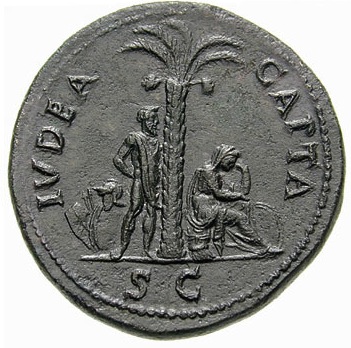
Coinage of the Roman prefects of Judaea
Numismatic

Coinage of the Roman prefects of Judaea

Provenance : Judée romaine

Date : Ier siècle

Small bronze coins (prutot) issued by the Roman prefects and procurators, including Pontius Pilate, bearing neutral symbols such as the ear of grain, the lituus, or the palm. They circulated in Judea before the First Revolt.

Bulla of Berechiah son of Neriah
Archaeological

Bulla of Berechiah son of Neriah

Provenance : Royaume de Juda

Date : VIIe-VIe siècle av. J.-C.

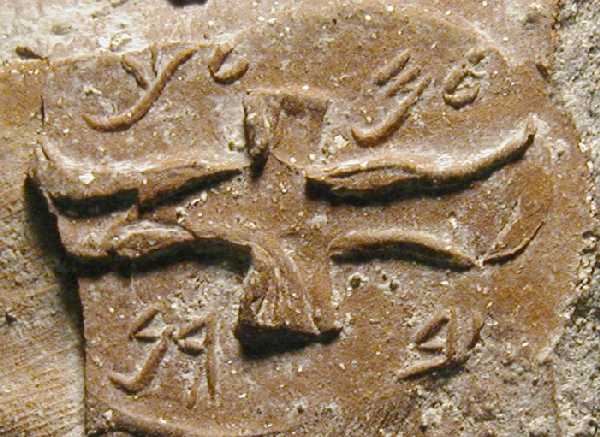
Clay bulla bearing the impression of a seal in the name of "Berekhyahu son of Neriyahu, the scribe," identified with the Baruch who was secretary to the prophet Jeremiah. Its authenticity remains debated.

Beit She'arim necropolis
Funerary

Beit She'arim necropolis

בֵּית שְׁעָרִים

Provenance : Basse Galilée

Vast Jewish necropolis of the Roman-Byzantine era, rich in sarcophagi and inscriptions, a World Heritage Site.

Ritual

Maghrebi silver cup for the priestly hand-raising (Cohanim)

נטילת כהנים

Provenance : Afrique du Nord

Material : Argent

Date : XIXe siècle

This ablution vessel was used before the priestly blessing (Birkat Cohanim) pronounced by the Cohanim, descendants of Aaron, who wash their hands before blessing the congregation with arms raised. The washing of the priests' hands, traditionally carried out by the Levites, is a ritual prerequisite for this solemn moment of the service in which the Cohanim transmit the blessing of Aaron. In North Africa, this type of silver cup was engraved with the motif of raised hands in the characteristic gesture of the priestly blessing. An object of synagogal worship linked to the priestly function, it illustrates the persistence of roles inherited from the priesthood of the Temple.

Cartographic

Engraved plan of the Temple of Jerusalem

תרשים בית המקדש בירושלים

Provenance : Europe

Material : Papier (gravure)

From the descriptions in the Mishnah and the Prophets, Jewish and Christian scholars published plans reconstructing the Temple of Jerusalem, its courts and its vessels. Circulated in print, they nourished the study of the laws of worship and the hope of rebuilding.

Ritual

Lunéville faience figural Seder plate

קערת ליל הסדר מחרסינת לונוויל עם דמויות מצוירות

Provenance : Alsace

Material : céramique

Faience plate from the manufactories of eastern France, hand-painted with Seder scenes, the order of the foods and Hebrew inscriptions. The polychrome decoration sometimes depicts the seated family or the Exodus. Made for the Jewish customers of Alsace-Lorraine, it joins regional faience to the Passover table.

Ritual

Polish triangular-back brass Hanukkah lamp

חנוכייה פולנית מפליז עם גב משולש

Provenance : Pologne

Material : laiton

Wall-hung lamp with eight aligned oil fonts and a servant light (shamash), crowned by a tall pierced brass backplate. The triangular or arched back bears confronted lions, eagles, flowering vases and sometimes a crown, cut and stamped motifs typical of Polish workshops. Hung on a wall or set down, it embodies the Ashkenazi tradition of the olive-oil lamp.

Ritual

Velvet matzah cover with Jerusalem embroidery

מטפחת מצה מקטיפה עם רקמת ירושלים

Provenance : Terre sainte

Material : velours

Dark velvet matzah cover embroidered in metallic thread with a view of Jerusalem, the Western Wall or Rachel's Tomb, accompanied by festival inscriptions. Made in the workshops of Jerusalem for pilgrims and export, it spread the nostalgic and Zionist imagery of the Holy Land onto the diaspora Seder table.

Archaeological

Epigraphic Hebrew seal of the First Temple period

חותם עברי מתקופת בית ראשון

Provenance : Royaume de Juda

Material : Pierre semi-précieuse

In the days of the kings of Judah, personal seals engraved in paleo-Hebrew were used to sign documents and jars. Many bear a name and patronymic ("belonging to X son of Y"), sometimes an animal motif, and are a major source for ancient epigraphy and administration.

Kamea (amulet)
Ritual

Kamea (amulet)

קָמֵעַ

Provenance : Maghreb et Orient

Amulet inscribed with names and verses, worn or hung for protection, especially in the Maghreb and the East.

Siloam inscription
Archaeological

Siloam inscription

כתובת השילוח

Provenance : Jérusalem

Date : VIIIe siècle av. J.-C.

Panel engraved in Paleo-Hebrew commemorating the meeting of the teams that dug the water tunnel attributed to King Hezekiah. It was discovered in the conduit linking the Gihon spring to the Pool of Siloam.

Ritual

Moroccan standing branched-brass Hanukkah lamp

חנוכייה עומדת מפליז עם קנים ממרוקו

Provenance : Maroc

Material : laiton

Standing Hanukkah lamp with a central shaft from which eight curved branches end in fonts, in the style of Maghrebi menorahs. The brass is cast and chased with floral motifs. Distinct from the wall lamp with a backplate, this tree-like form, sometimes on three feet, adorned the homes and synagogues of Morocco.

Ritual

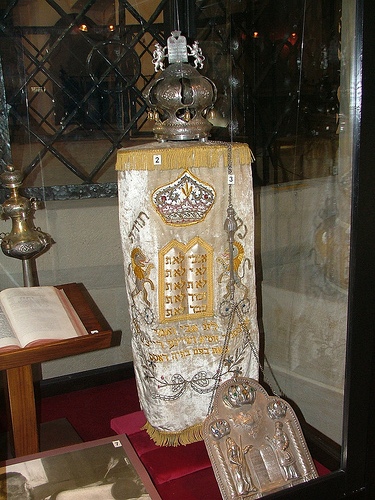
Embroidered Velvet Torah Mantle from Italy

מעיל ספר תורה

Provenance : Italie

Material : Velours et fil métallique

Date : XVIIe siècle

The Torah mantle (me'il) clothes the Torah scroll according to Italian usage, enveloping it over the staves. In the communities of Italy, these mantles were sometimes made from precious silks and velvets, including reused fabrics drawn from garments or ceremonial cloth, transformed into cultic objects. Italian pieces bear embroidery of gold and silver thread, adorned with motifs of a crown, floral vases, and the Tablets of the Law. This object testifies to the textile refinement of the Italian communities and to the practice of dedicating luxurious materials to the service of the synagogue.

Ritual

Commemorative Ark Curtain from Prague

פרוכת

Provenance : Bohême (Prague)

Material : Soie brodée

Date : XVIIe siècle

This parokhet (ark curtain) was drawn before the holy ark of the synagogue, housing the Torah scrolls. In Prague, an important center of Central European Judaism, these curtains were frequently offered in memory of a deceased person or on the occasion of an event, and bear an embroidered dedication mentioning the donor, sometimes with the Hebrew date. Made of silk and velvet, embroidered with gold and silver thread, they display motifs of twisted columns framing a central niche, as well as crowns and cultic symbols. These parokhot rank among the most precious witnesses to the ceremonial textiles of the Bohemian communities, a rich ensemble of which has been preserved.

Archaeological

Ancient oil lamp with menorah motif

נר שמן עתיק עם דגם מנורה

Provenance : Terre d'Israël

Material : Terre cuite

Many late-antique terracotta oil lamps bear a seven-branched menorah in relief, sometimes with the lulav and shofar. Found in houses and tombs, they signalled the Jewish identity of their owners.

Ritual

Persian engraved-copper Seder dish

קערת ליל הסדר חרוטה מנחושת מפרס

Provenance : Perse

Material : cuivre

Large dish of tinned copper, surface-engraved with medallions, fine scrollwork and bands of Hebrew inscription in the Persian metalworking style. The center carries the order of the Seder or a star, the rim the names of the symbolic foods. From the communities of Isfahan and Shiraz, it served as the central tray at Passover.

Art

Ceramic 'Hamsa and fish' protective plaque from Tunisia

לוח שמירה "חמסה ודגים" מקרמיקה מתוניסיה

Provenance : Tunisie (Nabeul)

Material : Céramique

Tile or plaque of glazed ceramic showing a protective hand surrounded by fish and inscriptions, hung on the home wall against the evil eye. The brightly glazed faience of Nabeul produced many examples. A ceramic counterpart to silver or brass hamsas.

Ritual

Embroidered Velvet Ark Curtain (Parokhet) from Germany

פרוכת קטיפה רקומה מגרמניה

Provenance : Allemagne

Material : Velours, fils d'or et d'argent, application

Ark curtain of the Ashkenazi synagogues of Germany, often made as a pair with its valance (kapporet). On velvet, metallic embroidery and appliqué depict the two Temple columns, the Torah crown and the Tablets of the Law around a dated dedicatory cartouche. Many examples are made from precious domestic fabrics donated to the synagogue.

Art

Illuminated ketubah, Gibraltar and northern Morocco

כתובה מעוטרת, גיברלטר וצפון מרוקו

Provenance : Gibraltar, Tétouan, Tanger

Material : Parchemin ou papier, gouache

Marriage contract of the Sephardi communities of the Strait region, heirs of the Spanish exiles. The decoration combines Andalusian arcades, interlace and sometimes European-inspired elements owing to commercial ties. The wording of the stipulations follows the Castilian tradition perpetuated by these so-called "megorashim" families.

Art

Bone-handled personal Hebrew seal from Galicia

חותם אישי בעברית בידית עצם מגליציה

Provenance : Galicie (Europe centrale)

Material : Os et métal

Small seal with a handle of turned bone or horn, whose metal matrix bears in mirror-image the owner's Hebrew name or initials. Used to sign documents and letters in wax or ink. A common personal object of Jewish merchants and notables in Central Europe.

Hand-washing laver
Ritual

Hand-washing laver

נטלה

Two-handled vessel, of metal or earthenware, used to pour the ritual water over the hands before the meal and prayer. It is sometimes accompanied by a matching basin.

Ritual

Protective amulet (Hamsa) from North Africa

חמסה ממגן מצפון אפריקה

Provenance : Afrique du Nord

Material : Argent

The hamsa, a stylised hand believed to ward off the evil eye, is widespread among the Jews of the Maghreb, shared with their Muslim neighbours. In engraved or pierced silver, it sometimes bears a fish, a Star of David or a verse, and is hung in the home or worn as a pendant.

Bar Kokhba Temple-façade coin
Numismatic

Bar Kokhba Temple-façade coin

Provenance : Judée

Date : 132-135

Silver tetradrachms of the Second Revolt depicting the façade of the Temple of Jerusalem surmounted by a star, struck on overstruck Roman coins. The reverse often shows the lulav and the etrog.

Ritual

German silver tas

טס

Provenance : Allemagne

Material : Argent

Date : XVIIIe siècle

The tas (literally 'shield' or 'plaque') is a pectoral plaque suspended by a chain from the mantle of the Torah scroll, whose primary function was to indicate, by means of an interchangeable tablet, for which festival or service the scroll was prepared. This practice developed in the Ashkenazi world, where the tas became a vehicle for ornamental silversmithing. German pieces, in repoussé and chased silver, sometimes partially gilded, frequently display twisted columns flanking the Tablets of the Law, confronted lions, a crown, and a small receptacle for movable tablets. Their production, overseen by silversmiths' guilds, often bears hallmarks enabling their place of origin to be identified.

Ritual

German lithographed tin-plate Purim rattle

רעשן פורים מפח מלובן עם הדפס מגרמניה

Provenance : Allemagne

Material : fer-blanc

Industrial rattle of lithographed tin-plate in bright colors, with a ratchet mechanism and handle. Mass-produced by the toy factories of Central Europe, it often bore printed Purim scenes or Hebrew inscriptions. Inexpensive and loud, it equipped children to blot out Haman's name.

Ritual

Copper circumcision plate from the East

קערת מילה מנחושת מהמזרח

Provenance : Proche-Orient

Material : Cuivre gravé

At a circumcision a plate holds the instruments and ointments. In Near Eastern communities these engraved copper plates bear verses, the name of the prophet Elijah — guardian of the covenant — and protective motifs.

Ritual

Silver filigree mezuzah case from Bukhara

בית מזוזה מכסף פיליגרן מבוכרה

Provenance : Boukhara (Asie centrale)

Material : Argent

Case worked in coiled silver wire by the filigree technique mastered by the Jewish silversmiths of Bukhara and Samarkand. Tiny granules and turquoise cabochons punctuate the openwork mesh; an aperture shows the Shaddai of the parchment. A light piece for the interior doorpost.

Funerary

Tombstone with Levitical hands (ewer) from Europe

מצבה

Provenance : Europe ashkénaze

Material : Pierre

Date : XVIIIe siècle

This tombstone belongs to the tradition of Ashkenazic cemeteries, where the emblem carved in relief on the stele often indicates the deceased's function or lineage. Here, the ewer and basin (sometimes a single pitcher) denote membership in the tribe of Levi: since the Levites were charged with pouring water over the hands of the Cohanim before the priestly blessing, this hereditary attribute identifies them. Other common funerary symbols include the raised hands of the Cohanim or the crown. Carved in stone, these emblems constitute an iconographic language specific to Jewish cemeteries in Europe, enabling the reading of the deceased's religious and social identity.

Ritual

Medieval Spanish arcaded silver Hanukkah lamp

חנוכיית קיר עם קשתות מכסף מספרד של ימי הביניים

Provenance : Espagne

Material : argent

Wall lamp whose backplate reproduces a row of horseshoe arches of Hispano-Moorish inspiration, beneath which eight fonts align. This type, transmitted by the Sephardi Jews, blends Mudéjar geometric ornament with the Hanukkah function. Known through surviving models and their revivals, it illustrates the heritage of the Iberian communities.

Art

Marquetry Wooden Tefillin Box from Damascus

קופסת תפילין

Provenance : Syrie (Damas)

Material : Bois marqueté

Date : XIXe siècle

This box is intended to store and transport tefillin (phylacteries) between services, protecting them from wear and impurity. A personal object carried daily, it could be crafted with great care. In Damascus, a major center of woodworking, these boxes were adorned with marquetry: geometric inlays of mother-of-pearl, bone, and precious woods in the Damascene technique, shared by artisans of the various communities of the city. The decoration, composed of stars and interlacing patterns, belongs to an Islamic ornamental repertoire adapted to an object of Jewish devotion, illustrating the integration of Jews into Syrian material culture.

Mezuzah (case)
Ritual

Mezuzah (case)

מְזוּזָה

Provenance : Diaspora

Case affixed to the doorpost, containing a parchment of the verses of the Shema; its decorative forms vary by community.

Ritual

Rigid Torah Case (Tik) in Wood and Silver from Baghdad

תיק תורה מעץ וכסף מבגדאד

Provenance : Irak (Bagdad)

Material : Bois revêtu d'argent repoussé et gravé

Rigid cylindrical case enclosing the Torah scroll according to the custom of Mesopotamian communities, kept upright and opened like a book for reading. Baghdad examples have a wooden core entirely sheathed in repoussé and engraved silver plates with scrolls and inscribed cartouches. A crown, finials and pointer holder often complete the whole.

Hebrew micrography
Art

Hebrew micrography

מִיקְרוֹגְרַפְיָה

Provenance : Diaspora

The art of composing figurative motifs with text written in minuscule characters, characteristic of the Hebrew book.

Art

Cut-Paper Mizrah from Eastern Europe

מזרח

Provenance : Europe orientale

Material : Papier découpé

Date : XIXe siècle

The mizrah ("east") is a plaque or panel hung on the wall of a home or synagogue to indicate the direction of Jerusalem, toward which one turns to pray; placed on the eastern wall in communities of Europe and the West, it marks that side. In Eastern Europe, it was commonly made from cut paper (the Scherenschnitt technique), pierced with a knife or scissors and heightened with watercolor. Its iconographic repertoire brings together lions, deer, columns, crowns, the word mizrah, and propitious verses. A work of folk art often executed by private individuals or schoolmasters, it testifies to a domestic devotion oriented toward the Holy Land.

Ritual

Mohel's styptic powder flask (isfar), North Africa

בקבוקון אבקה עוצרת דם של המוהל, צפון אפריקה

Provenance : Maroc, Tunisie

Material : Argent, verre, bois tourné

Small flask or box from the mohel's kit for the hemostatic powder (often herbal and alum-based) applied after circumcision. In the Maghreb these silver-filigree or set-glass containers accompanied the cushion and the child's linens. Their floral and hamsa decoration was as much about care as symbolic protection.

Art

Bridal filigree earrings, Yemen

עגילי כלה מסונן, תימן

Provenance : Yémen (Sanaa)

Material : Argent, granulation, filigrane

Large earrings or temple pendants worn by the Yemenite bride, masterpieces of the silver filigree and granulation whose craft the Jews mastered. Hung from the headdress or temples, they were added to a dense ensemble of necklaces and amulets. Their technical finesse made the reputation of Yemenite Jewish silverwork.

Ritual

Italian architectural-pediment silver Hanukkah lamp

חנוכייה איטלקית מכסף עם חזית אדריכלית

Provenance : Italie

Material : argent

Silver table lamp whose backplate imitates a Renaissance façade with columns, pediment and niches, sometimes peopled with biblical figures. The eight spouts align beneath the architecture and the shamash stands apart. Jewish and Christian silversmiths of Italy displayed here a refined classicizing taste characteristic of the peninsula.

Archaeological

Qumran mezuzah

מזוזה מקומראן

Provenance : Qumrân, désert de Judée

Date : Ier siècle av.-Ier siècle apr. J.-C.

Small parchment leaf bearing passages from Deuteronomy, found at Qumran, an ancient witness to the commandment of the mezuzah. Its text shows variants compared with the later rite.

Ritual

Embroidered Torah Binder (Wimpel) from Bavaria

וימפל רקום מבוואריה

Provenance : Bavière et Franconie (Allemagne du Sud)

Material : Lin brodé de soie polychrome

Long linen band girding the Torah scroll, made from the swaddling cloth used at the boy's circumcision, cut into strips and sewn end to end. Silk embroidery, favored over painting in Bavaria, inscribes in large ornamented letters the child's name, birth date and the blessing for Torah, marriage and good deeds, illustrated with a wedding canopy.

Ritual

Austro-Hungarian engraved-silver etrog box

אתרוגית מכסף חרוט מהאימפריה האוסטרו-הונגרית

Provenance : Europe centrale

Material : argent

Oval hallmarked silver box, engraved or repoussé with vines, palms and an inscription relating to Sukkot, lined inside to protect the citron. The domed hinged lid opens for the blessing of the four species. Made in Vienna, Budapest and Bohemia, it illustrates the Jewish silverwork of Central Europe.

Etrog box
Ritual

Etrog box

קופסת אתרוג

Box, often of silver and sometimes in the shape of a citron, intended to preserve and protect the etrog (citron) during the festival of Sukkot. Some examples are padded to prevent damage.

Theodotos Inscription
Archaeological

Theodotos Inscription

כְּתוֹבֶת תֵּאוֹדוֹטוֹס

Provenance : Jérusalem

Greek inscription (before 70) commemorating the founding of a synagogue by Theodotos, the oldest known synagogue dedication of Jerusalem.

Ritual

Damascus marquetry wooden etrog box

אתרוגית מעץ מעוטר באינטרסיה מדמשק

Provenance : Empire ottoman

Material : bois

Wooden casket adorned with marquetry of mother-of-pearl, bone and precious woods in the Damascene technique, housing the Sukkot citron. The star patterns and geometric interlace draw on the craft of Damascus adapted to Jewish use. The hinged lid protects the fragile fruit during the days of the festival.

Art

Italian ceremonial marriage ring with miniature edifice

טבעת נישואין

Provenance : Italie

Material : Or

Date : XVIe siècle

This ceremonial marriage ring is distinguished by a miniature edifice — a small structure with a removable or fixed roof — mounted on the band and symbolizing the home or, according to traditional interpretation, the Temple of Jerusalem. Too bulky for daily wear, it was used during the marriage rite and often belonged to the community rather than to the couple. In Italy, these rings were worked in gold, sometimes enhanced with enamel, and could bear the Hebrew phrase of good wishes "mazal tov." This type of ring, attested in several Ashkenazic and Italian communities from the late Middle Ages onward, ranks among the most remarkable Jewish wedding objects.

Samaritan oil lamp
Archaeological

Samaritan oil lamp

Provenance : Samarie

Date : IVe-VIe siècle

Terracotta lamp bearing inscriptions in Samaritan script and distinctive motifs, distinct from Jewish lamps. It comes from the region of Nablus and Mount Gerizim.

Ritual

Suspended perpetual lamp (Ner Tamid) from Italy

נר תמיד

Provenance : Italie

Material : Argent

Date : XVIIe siècle

The Ner Tamid ("perpetual light") is the lamp that burns continuously before the holy ark of the synagogue, symbolizing the divine presence and recalling both the perpetual lamp of the Temple and the flame of the menorah. Suspended above or near the Aron Kodech, it must never be extinguished. In Italy, these lamps take the form of pierced silver vessels suspended from long ornate chains, in refined silversmithing work close to that of mosque and church lamps on the peninsula. This object, at once functional and highly symbolic, occupies a central place in the liturgical furnishing of the synagogue.

Ritual

Silver betrothal cup (Sivlonot) from Germany

כלי סבלונות

Provenance : Allemagne

Material : Argent

Date : XVIIe siècle

This silver cup was a gift (sivlonot) presented by the groom to his bride-to-be at the time of betrothal, in accordance with the Ashkenazic custom of exchanging engagement gifts before marriage. The sivlonot sealed the matrimonial agreement and publicly attested to the projected union between the two families, within a codified social and legal framework. In Germany, these cups were engraved with the names of the betrothed and the date of the engagement, making them personalized commemorative objects. An object of the matrimonial life cycle, the betrothal cup illustrates the customs of engagement and the exchange of gifts in the Ashkenazic world.

Ritual

Printed childbed (kimpet) wall sheet, Central Europe

דף קיר ליולדת מודפס, מרכז אירופה

Provenance : Allemagne, Bohême, Pologne

Material : Papier imprimé, parfois rehaussé à la main

Sheet posted on the walls of the new mother's room to protect her and her child in the days after birth. The text combines Psalm 121, angel names and the formula banishing Lilith, often within an engraved frame. Produced in quantity by Jewish printers, these cheap sheets replaced costly handwritten amulets.

Kiddush cup
Ritual

Kiddush cup

כּוֹס קִידּוּשׁ

Provenance : Diaspora

Cup, frequently of silver, over which the blessing of the wine is recited on Shabbat and festivals.

Temple silver trumpet
Ritual

Temple silver trumpet

חצוצרה

Provenance : Jérusalem

Date : Second Temple

Straight silver trumpet (hatzotzra) sounded by the priests to announce the sacrifices and gatherings at the Temple, depicted among the spoils on the Arch of Titus. The commandment for their making appears in the Book of Numbers.

Ritual

Ashkenazic embroidered bridal talit (sargenes)

קיטל

Provenance : Europe ashkénaze

Material : Lin blanc

Date : XVIIIe siècle

The kittel, sometimes called sargenes, is a white robe worn by men on Yom Kippur, at the Passover Seder and at weddings, and which also serves as a burial garment (shroud). Its whiteness symbolizes purity, forgiveness and humility, and its wearing on the great occasions of life is a reminder of finitude and the solemnity of the moment. In the Ashkenazic tradition, this white linen garment, sometimes embroidered at the collar, was worn by the groom and by the prayer leader on the Days of Awe. At once a festive and a mourning garment, the kittel links the key moments of Jewish existence under the sign of purity.

Ritual

Hanukkah lamp in soapstone (steatite) from Morocco

חנוכייה

Provenance : Maroc

Material : Pierre de savon

Date : XIXe siècle

This Hanukkah lamp was carved from steatite, or soapstone, a soft and easily worked material, and features hollowed cups in a row intended to hold oil and wicks. Lit during the eight evenings of the festival, it has eight aligned cavities and an additional space for the shamash used to light the other lights. This modest Moroccan type was produced locally for domestic use by families who did not have access to the more costly metal lamps. A popular object of Maghrebi Jewish material culture, it testifies to the local production of ritual objects from accessible materials.

Archaeological

Limestone ossuary from the Jerusalem region

גלוסקמה מאבן גיר מאזור ירושלים

Provenance : Judée

Material : Calcaire

In the Second Temple period, Judean Jews gathered the bones of their dead, after decomposition, in limestone boxes called ossuaries. Often carved with rosettes and the deceased's name, they shed light on burial practice and onomastics of the era.

Ritual

Glass and Bronze Eternal Lamp (Ner Tamid) from Italy

נר תמיד מזכוכית וברונזה מאיטליה

Provenance : Italie (Venise)

Material : Bronze, verre, chaînes

Hanging lamp burning permanently before the holy ark. Italian, and especially Venetian, workshops made these of colored-glass cups set in a pierced bronze mount, hung by three chains from a rosette. The glass, sometimes Murano-blown, shields the flame and casts a colored glow, in the baroque taste of the peninsula's synagogues.

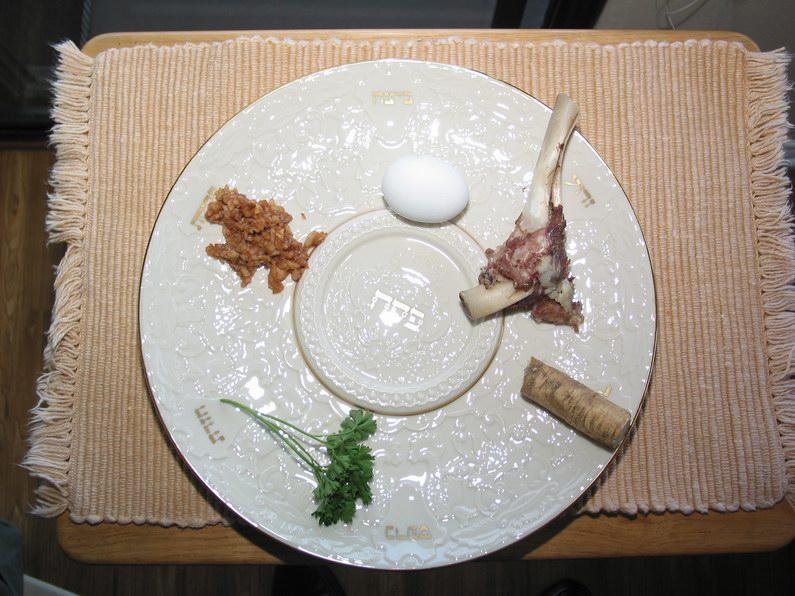
Seder plate
Ritual

Seder plate

קְעָרַת הַסֵּדֶר

Provenance : Diaspora

Compartmented plate arranging the symbolic foods of the Passover Seder evening.

Ritual

Purim rattle (Ra'ashan) of wood and metal

רעשן פורים מעץ ומתכת

Provenance : Europe orientale

Material : Bois et métal

During the reading of the Scroll of Esther, noise is made to blot out Haman's name with a rattle, the ra'ashan. Often of turned wood and metal blades, sometimes carved, it is among the most popular and joyful objects of the Jewish calendar.

Ritual

Embroidered Torah Mantle (Meil) from the Ottoman Empire

מעיל תורה רקום מהאימפריה העות'מאנית

Provenance : Empire ottoman (Istanbul, Izmir)

Material : Velours ou brocart, fils d'or, perles

Fabric cover enveloping the Torah scroll where the rigid tik is not used. Ottoman mantles are cut from velvet or brocade, embroidered in gold thread and sometimes pearls with floral motifs and a crown, plus a Hebrew dedication. Cylindrical and slit, they are topped with a stiff card disc through which the scroll's staves pass.

Numismatic

Jewish communal medal from Europe

מדליה קהילתית יהודית מאירופה

Provenance : Europe

Material : Argent ou bronze

In the modern era Jewish communities and families had commemorative medals struck — for circumcision, marriage, emancipation, synagogue dedication — often engraved with Hebrew verses and symbolic scenes. They mark Jews' entry into European medallic culture.

Cartographic

Pilgrimage itinerary to the tombs of the righteous

מסלול עלייה לרגל לקברי צדיקים

Provenance : Terre d'Israël

Material : Papier (gravure ou manuscrit)

Engraved or manuscript sheets guided pilgrims to the venerated tombs of the Holy Land — the Patriarchs in Hebron, Rachel near Bethlehem, the sages of Galilee. Combining map, views and prayers, they served as aids to devotion and remembrance.

Ritual

Embroidered Torah mantle from the Ottoman Empire

מעיל ספר תורה

Provenance : Empire ottoman (Turquie)

Material : Velours et fil métallique

Date : XIXe siècle

The Torah mantle (me'il) is a flexible fabric cover that envelops the Torah scroll, when it is not kept in a rigid case, and is slipped over the staves to protect and adorn it. In the Ottoman Empire, these mantles represent a rich Sephardic textile art: they display gold and silver couching embroidery (metallic thread laid on the surface) on velvet grounds, adorned with floral motifs, vases, crowns, and the Tablets of the Law. This craft belongs to the great tradition of Ottoman gold embroidery, shared by workshops of several communities. The mantle forms part of the textile adornments of the scroll, along with the ark curtain and the binder.

Ritual

Alsatian engraved-brass Seder plate

קערת ליל הסדר חרוטה מפליז מאלזס

Provenance : Alsace

Material : laiton

Circular brass plate engraved with the order of the Seder, with a scene of the Exodus or the paschal lamb at the center. The rim carries Hebrew inscriptions and a decorative frieze. From Alsatian workshops, it attests to rural Rhenish Judaism where brass replaced costly silverware on the Passover table.

Art

North African engraved copper shiviti plaque

שִׁוִּיתִי

Provenance : Afrique du Nord

Material : Cuivre gravé

Date : XIXe siècle

The shiviti plaque takes its name from the verse 'I have set (shiviti) the Lord always before me' (Psalm 16), inscribed at the head of these meditative tablets placed before the officiant or on the wall of the synagogue to focus concentration during prayer. It frequently bears the Divine Name and verses, and often incorporates a seven-branched menorah formed from the text of Psalm 67 written in micrography. In North Africa, these plaques are engraved on copper, in a craft that combines calligraphy and the art of inscription. This object belongs at once to the realms of devotion, the mysticism of letters, and synagogal ornamentation.

Art

Sephardic Manuscript Haggadah

הגדה של פסח

Provenance : Espagne (Sefarad)

Material : Parchemin

Date : XIVe siècle

The Haggadah is the booklet containing the narrative and the order of the Passover Seder, read within the family on the first evening of the festival to recount the Exodus from Egypt, in accordance with the obligation to transmit this event to future generations. Its domestic function and the iconographic freedom it enjoys have made it, since the Middle Ages, a richly illustrated book. Sephardic haggadot, copied and illuminated in Spain before the expulsion of 1492, frequently open with full-page cycles of biblical images preceding the text, illustrating history from the Creation or the patriarchs through to the Exodus. They rank among the masterpieces of the medieval Hebrew book.

Tefillin (phylacteries)
Ritual

Tefillin (phylacteries)

תְּפִילִּין

Provenance : Terre d'Israël

Black leather cases enclosing parchments, worn on the arm and forehead during morning prayer; ancient examples have been found at Qumran.

Art

Eastern European portrait micrography panel

מיקרוגרפיה

Provenance : Europe orientale

Material : Encre sur papier

Date : XIXe siècle

This panel belongs to the tradition of Hebrew micrography, an art consisting of composing a figurative image or pattern by means of lines of minute text, most often psalms or biblical passages. An ancient scribal tradition born of relative aniconism and reverence for the sacred text, it was cultivated by Jewish scribes and artists who thus drew portraits, views of holy places or ornamental compositions. In Eastern Europe in the nineteenth century, micrography was used to depict portraits of sages and Hasidic masters or idealized views of Jerusalem. The work combines calligraphic mastery with devotion, the sacred text itself becoming the very substance of the image.

Art

Jerusalem olive wood pilgrimage souvenir

מזכרת מירושלים

Provenance : Terre sainte (Jérusalem)

Material : Bois d'olivier

Date : XIXe siècle

This object belongs to the production of Jerusalem olive wood souvenirs, a flourishing craft in the nineteenth century intended for pilgrims and visitors to the holy sites. Boxes, albums, paperweights, and bindings were carved from olive wood of the Holy Land, a wood laden with biblical significance, and decorated with views of the sanctuaries and inscriptions. This local industry, fueled by the rise of religious tourism and missions, supplied the diaspora and travelers with objects materializing the link to the ancestral land. Olive wood craftsmanship became a hallmark of Jerusalem's applied arts in the modern period.

Ritual

Rigid Torah Case (Tik) in Silver from Persia

תיק תורה מכסף מפרס

Provenance : Perse (Iran)

Material : Bois revêtu d'argent gravé et repoussé

Rigid cylindrical case enclosing the Torah scroll according to the custom of Eastern communities, kept upright and opened like a book for reading. Persian examples have a wooden core entirely sheathed in silver plates engraved with scrolls, cypresses and inscribed cartouches. A crown and finials top the summit.

Art

Silver and coral bridal necklace from Morocco

תכשיט כלה

Provenance : Maroc

Material : Argent et corail

Date : XIXe siècle

This necklace is part of the bridal parure worn by Jewish communities in Morocco during wedding ceremonies, in both rural Berber settings and urban ones. The bridal parure, often considerable in value, played a social and protective role as much as an ornamental one. Moroccan craftsmanship combines silver (sometimes nielloed), red coral, polychrome cloisonné enamel, and beads, in compositions in which Jewish goldsmiths were particularly renowned and often the near-exclusive custodians of the trade. These jewels, passed down and displayed during wedding rites, bear witness to the skill of Jewish artisans and to the aesthetic of Maghrebi feminine adornment.

Art

German printed ushpizin Sukkah panel

לוח אושפיזין מודפס לסוכה מגרמניה

Provenance : Allemagne

Material : papier

Printed poster to hang in the sukkah, presenting the seven biblical guests (Abraham, Isaac, Jacob, Joseph, Moses, Aaron, David) with the welcoming prayers. The brightly colored chromolithograph, bordered with ornament, popularized the custom of the ushpizin. Spread by the Jewish print shops of Europe to adorn the festive booth.

Ritual

Polish footed silver Cup of Elijah

כוס אליהו על רגל מכסף מפולין

Provenance : Pologne

Material : argent

Large ceremonial cup on a high foot, reserved for the prophet Elijah at the Passover Seder. The silver chalice is engraved or repoussé with vines, biblical scenes and sometimes the inscription Kos shel Eliyahu. Taller than the ordinary Kiddush cup, it stands at the center of the table awaiting Elijah's coming.

Ritual

Silver Torah Shield (Tas) from Germany

טס תורה מכסף מגרמניה

Provenance : Allemagne

Material : Argent repoussé, ajouré, doré

Pectoral shield hung by a chain on the Torah scroll's mantle. German silversmiths built it around the two Temple columns flanking the Tablets of the Law, topped with a crown, and fitted a sliding frame holding small plaques naming the festival at which the scroll is unrolled. A dedication adorns the lower part.

Shiviti
Art

Shiviti

שִׁוִּיתִי

Provenance : Diaspora

Sheet or plaque for meditation bearing the divine Name and the verse "I place the Lord before me," finely calligraphed.

Art

Engraved synagogue foundation plaque from Italy

לוח הקדשה

Provenance : Italie

Material : Marbre

Date : XVIIe siècle

This marble plaque commemorates the construction, restoration, consecration, or endowment of a synagogue, and was set into its walls as an enduring testimony. It belongs to the tradition of communal epigraphy. Italian plaques engrave the Hebrew date (often in the form of a chronogram, in which the numerical value of certain letters yields the year), the names of donors or community leaders, and an appropriate verse, all framed by moldings. Written in Hebrew, sometimes accompanied by Italian, they constitute precious sources for the history of communities and their buildings. This object inscribes collective Memory into the stone of the house of worship.

Ritual

Embroidered Bimah Cover from the Ottoman Empire

כיסוי בימה רקום מהאימפריה העות'מאנית

Provenance : Empire ottoman

Material : Velours ou soie brodée, fils d'or

Cloth covering the reading table of the central platform during the service, on which the Torah is unrolled. In Ottoman Sephardi synagogues it is embroidered in gold thread on velvet or silk, with arabesques and a crown, matching the ark curtain and desk cover. It protects the wood and enhances the community's liturgical center.

Ritual

Besamim implements from Hungary

כלי בשמים מהונגריה

Provenance : Hongrie

Material : Argent

Hungarian communities produced spice boxes of great formal inventiveness — mills, locomotives, articulated flowers — while remaining faithful to the ritual function of Havdalah. They illustrate the adaptation of Jewish silverwork to nineteenth-century styles.

Ritual

Polish silver yad (Torah pointer)

יד

Provenance : Pologne

Material : Argent

Date : XVIIIe siècle

The yad ('hand') is the Torah reading pointer: a rod terminating in a small hand with a pointing index finger, which allows the reader to follow the sacred text line by line without touching the parchment with the bare hand, out of reverence for the scroll. Suspended from the Torah mantle by a small chain, it is part of the scroll's adornments. Polish examples, in chased silver, frequently feature a twisted rod, a worked cuff, and sometimes stones or inscriptions. Their fabrication is part of the tradition of Ashkenazic synagogue silverwork, in which the yad is one of the most widespread ritual objects.

Funerary

Recumbent Sephardic funerary slab from Amsterdam

מצבה

Provenance : Pays-Bas (communauté séfarade)

Material : Pierre

Date : XVIIe siècle

This horizontal funerary slab, laid flat upon the grave, is characteristic of cemeteries of the Sephardic Portuguese diaspora, in contrast to the vertical tombstones of the Ashkenazic world. It bears a long epitaph, often bilingual (Hebrew and Portuguese or Spanish), recounting the identity and merits of the deceased. In Amsterdam, these stones frequently feature figurative reliefs illustrating the name of the deceased (through a biblical namesake) or a scene from his life and death, in a style close to baroque funerary art. These slabs constitute an exceptional ensemble testifying to the culture of Sephardic Jews in Western Europe.

Ritual

Tower-shaped spice box (Besamim) from Germany

מגדל בשמים מגרמניה

Provenance : Allemagne

Material : Argent

At Havdalah fragrant spices are inhaled to ease the departure of the Sabbath. The German besamim box traditionally takes the form of a steepled tower in pierced silver, sometimes with little flags and bells, modelled on medieval belfries.

Ritual

Torah breastplate (Tas) from Germany

טס לתורה מגרמניה

Provenance : Allemagne

Material : Argent

The tas is a silver plaque hung before the Torah scroll. German examples often show two columns framing a shrine, confronted lions and a crown, with a small interchangeable plate naming the festival for which the scroll is set.

Ritual

Hanging Sabbath lamp (Judenstern) from Germany

מנורת שבת תלויה מגרמניה

Provenance : Allemagne

Material : Laiton ou argent

The Judenstern is a star-shaped hanging oil lamp lowered from the ceiling for the Sabbath. Its radiating burners make it an emblematic domestic object of Ashkenazi communities, in cast brass or, more rarely, silver.

Ritual

Brit Milah casket (mohel's kit) from Central Europe

ערכת מוהל

Provenance : Europe centrale

Material : Bois, argent et acier

Date : XVIIIe siècle

This casket is the mohel's kit, the circumciser's case, bringing together the knife, flasks, instruments, and unguents required for the ceremony of the brit mila, through which a boy enters on the eighth day into the covenant of Abraham. Circumcision, one of the foundational commandments of Judaism, is performed by a qualified practitioner within a precise ritual framework and surrounded by blessings. In Central Europe, these kits were presented as fitted cases, whose silver and steel tools were sometimes engraved with inscriptions. An object of the earliest rite of passage in Jewish life, it illustrates the material care surrounding the brit mila.

Archaeological

Fragment of an ancient synagogue mosaic

שבר פסיפס מבית כנסת עתיק

Provenance : Galilée

Material : Tesselles de pierre

Late-antique synagogues in Galilee and elsewhere were paved with mosaics depicting the Torah ark, the menorah, the zodiac or biblical scenes, with donor inscriptions in Hebrew, Aramaic or Greek. Their fragments document synagogue art and liturgy.

Ritual

Filigree silver Torah finials from Morocco

רימונים מכסף פיליגרן ממרוקו

Provenance : Maroc

Material : Argent filigrané

Rimonim ("pomegranates") crown the staves of the Torah scroll. In Morocco they often take the form of tiered silver-filigree towers hung with small bells that ring as the Torah is carried. The openwork filigree is typical of Judeo-Moroccan silversmithing.

Ritual

North African round embroidered matzah cover

מטפחת מצה עגולה רקומה מצפון אפריקה

Provenance : Algérie

Material : soie

Circular matzah cover of silk or satin, embroidered in gold thread with floral motifs, a star or a hamsa at the center. Made by Judeo-Maghrebi embroideresses of Algeria and Morocco, it covers the stack of matzot on the Seder plate. The decoration draws on the vocabulary of North African festive embroidery.

Carved synagogue lintel
Archaeological

Carved synagogue lintel

Provenance : Galilée

Date : IIe-IVe siècle

Stone block surmounting the entrance of an ancient synagogue, sculpted with motifs such as the menorah, the crown, the eagle, or the garland. Several come from the synagogues of Galilee such as Capernaum.

Ritual

Repoussé silver circumcision plate, Ottoman Empire

צלחת מילה מכסף מוקש, האימפריה העות'מאנית

Provenance : Empire ottoman (Istanbul, Izmir, Salonique)

Material : Argent repoussé et ciselé

Circular silver plate intended to receive the newborn or the instruments during the brit milah. The center bears a repoussé floral motif and a Hebrew inscription drawn from the covenant, the scalloped rim carrying scrolls and finials in Ottoman taste. Commissioned by well-off families of the great Sephardi communities, such plates also served as a gift to the mohel.

Decorated Jewish sarcophagus
Funerary

Decorated Jewish sarcophagus

Provenance : Beit Shearim et Rome

Date : IIe-IVe siècle

Funerary chest of stone or marble bearing Jewish symbols (menorah, lulav, shofar) or scenes, attested notably in the necropolis of Beit Shearim. Some examples combine figurative decoration and inscriptions.

Cartographic

Amsterdam-printed plan of the Temple courtyard (mishkan)

תרשים בית המקדש

Provenance : Pays-Bas (Amsterdam)

Material : Gravure sur papier

Date : XVIIIe siècle

This printed plate reconstructs the layout of the Tabernacle (mishkan) or the Temple of Jerusalem, with its court, its forecourts and its cultic vessels, based on descriptions from the books of Exodus and Kings. Such didactic engravings accompanied bibles, Talmudic treatises and scholarly works printed by Amsterdam workshops in the seventeenth and eighteenth centuries. They aimed to provide a visual representation of biblical realia for study, depicting the altar, the table of showbread, the menorah and the ark of the covenant. This cartographic and architectural genre reflects the erudite interest in sacred topography in the Jewish and Christian world of the period.

Ritual

Italian glass-cup Hanukkah lamp

חנוכייה איטלקית עם כוסיות זכוכית

Provenance : Italie

Material : verre

Lamp whose eight lights are small blown-glass cups filled with oil and wick, set on a metal or wooden support. The clear or colored glass reveals the flame and the oil, heir to Venetian glassmaking. Common in Italy, it combines fragility, transparency and the tradition of kindling with olive oil.

Ritual

Judeo-Persian bronze Shabbat lamp

נר שבת

Provenance : Perse (Iran)

Material : Bronze

Date : XIXe siècle

This suspended oil lamp serves for the ritual illumination of Shabbat: it is lit before the onset of the holy day, then hoisted toward the ceiling by means of a suspension rod. The Judeo-Persian type is characterized by a star-shaped reservoir with several branches, each bearing a spout and a wick, surmounted by a rod and a suspension mechanism sometimes fitted with a counterweight. Cast or hammered in bronze or brass, these lamps continue a tradition of suspended lighting specific to Jewish households in Iran. Their radiating form recalls that of other Shabbat lamps, such as the star-shaped lamp of the Ashkenazic world.

Ritual

Eastern European glass yahrzeit (memorial) lamp

נר נשמה

Provenance : Europe orientale

Material : Verre et métal

Date : XIXe siècle

This memorial lamp (yahrzeit) was lit on the Hebrew anniversary of a death and during Yom Kippur, in Memory of the family's departed. The lighting of a commemorative flame, which should ideally burn for twenty-four hours, is a deeply rooted custom in the rituals of Jewish mourning and Memory. In Eastern Europe, this type took the form of a glass cup filled with oil, placed on a metal stand, in which a wick floated. As a domestic object of remembrance, the yahrzeit lamp embodies the bond between the living and their dead in Ashkenazi practice.

Ritual

Dutch Delftware Passover Seder plate

קערת ליל הסדר מחרסינת דלפט מהולנד

Provenance : Hollande

Material : céramique

Large white faience dish with Delft blue decoration, inscribed in Hebrew with the order of the Seder (kadesh, urhatz, karpas…) around the center. The places of the symbolic foods are sometimes depicted, and the border carries scrollwork and flowers. Made in the Netherlands for Jewish customers, it joins Dutch faience to the Passover liturgy.

Menorah oil lamp
Archaeological

Menorah oil lamp

נֵר חֶרֶס

Provenance : Bassin méditerranéen

Terracotta oil lamps adorned with a menorah, common in Jewish homes of late Antiquity.

Ritual

Filigree spice box from Austria-Hungary

בשמים

Provenance : Autriche-Hongrie

Material : Argent filigrané

Date : XIXe siècle

This spice box (bessamim) is intended for the Havdala ceremony, at the close of Shabbat, when aromatic spices are inhaled after a blessing has been pronounced over fragrances. In the Austro-Hungarian sphere, silver filigree silversmithing produced numerous formal variants: while the tower remains classical, one also encounters boxes in the shape of a fruit, fish, flower, or mill, executed in twisted and soldered silver wires. This filigree, light and openwork, allows the fragrance of the spices to pass through. These objects testify to the inventiveness of Jewish and local silversmithing in Central Europe and its taste for picturesque forms.

Ritual

Engraved Sabbath bread stamp (lechem mishneh) from Eastern Europe

חותם ללחם שבת חרוט ממזרח אירופה

Provenance : Europe orientale

Material : Bois

Wooden stamp engraved with inscriptions such as 'in honour of the holy Sabbath' or with motifs, pressed onto the challah dough before baking. A domestic tool for preparing the Sabbath and festivals in Ashkenazi homes. A variant of matzah and wedding-bread seals, belonging to the ritual kitchen.

Ritual

Embroidered silk tallit bag from Persia

תיק טלית ממשי רקום מפרס

Provenance : Perse (Iran)

Material : Soie brodée

Prayer-shawl pouch of silk or termeh (woven cashmere) embroidered with flowers and boteh in the manner of Persian textiles. The flap sometimes bears a Hebrew inscription or the owner's name. An everyday synagogue object reflecting the textile refinement of Iran.

Ritual

Tooled leather tallit bag from Yemen

תיק טלית מעור מובלט מתימן

Provenance : Yémen

Material : Cuir

Prayer-shawl pouch of tanned leather tooled with fine geometric motifs, closed by a flap and a thong. Yemenite Jewish craftsmen, renowned for leatherwork as for silver, sometimes inscribed the owner's name. A sober, durable object of synagogue life.

Art

Bridal diadem (sfifa / taj) in gold and pearls, North Africa

נזר כלה מזהב ופנינים, צפון אפריקה

Provenance : Maroc, Algérie, Tunisie

Material : Or, perles, pierres, parfois émail

Headpiece worn by the Maghrebi Jewish bride at the wedding ceremonies, made of hinged gold elements, pearls and stones. Depending on the town it accompanies the embroidered grand costume and forehead jewellery. The diadem, often lent or handed down, displayed the family's wealth and the status conferred on the young wife.

Art

Embroidered Direction Plaque (Mizrah) from Germany

מזרח רקום מגרמניה

Provenance : Allemagne

Material : Toile brodée au point de croix, soie

Household picture marking the eastern wall, toward which one turns to pray. In German Jewish homes the mizrah was often a lady's cross-stitch work: the word mizrah, verses, lions, stags and bouquets form a symmetrical scene on canvas. Framed, it adorned the main room as an object both pious and decorative.

Catacomb closing slab with Jewish symbols
Funerary

Catacomb closing slab with Jewish symbols

Provenance : Rome

Date : IIIe-IVe siècle

Marble or terracotta slab sealing a loculus in the Jewish catacombs, engraved with a menorah and an epitaph. They come notably from the catacombs of Vigna Randanini.

Ritual

Miniature Sephardic travel Torah scroll

ספר תורה קטן

Provenance : Bassin méditerranéen séfarade

Material : Parchemin et bois

Date : XVIIIe siècle

This small Torah scroll of reduced format was copied for private use or travel, at a time when displacement made access to a communal scroll for reading difficult. Like any Sefer Torah, it had to be written by hand by a qualified scribe (sofer) on parchment, in strict observance of the rules governing the copying of the sacred text. In the Sephardic tradition, this miniature scroll was kept in a small rigid case (tik), a replica of the large cylindrical cases of the Oriental rite. Both a ritual and practical object, it testifies to the care taken to ensure the availability of the sacred text, even in the course of travel.

Ritual

Ottoman openwork-silver Purim rattle

רעשן פורים מכסף מחורר מהאימפריה העות'מאנית

Provenance : Empire ottoman

Material : argent

Ceremonial rattle of openwork and chased silver, with a wrought handle and a body pierced with flowers and crescents. More precious than wooden models, it belonged to well-off Sephardi families of Istanbul or Izmir. Shaken to blot out Haman's name, it joins the Purim tradition with the luxury of Ottoman silverware.

Funerary

Engraved spade and tools of the burial confraternity

כלי חברה קדישא

Provenance : Europe centrale

Material : Fer et bois

Date : XVIIIe siècle

These instruments were used by the Hevra Kaddisha, the burial confraternity that took charge of the ritual washing of the dead (taharah) and the digging of graves according to the prescriptions of halakha. Spades, boards and various implements made up the equipment necessary for the accomplishment of these pious acts, considered the purest form of charity because they can never be repaid. In Central Europe, handles and blades were sometimes engraved with the name of the confraternity and a pious inscription recalling the sacred function of the object. These tools bear witness to the communal organization of care for the deceased and the dignity accorded to burial.

Art

Bridal nuptial cape (sargenes), Netherlands

גלימת כלה רקומה, הולנד

Provenance : Hollande, Allemagne du Nord

Material : Lin ou soie blanche brodés

White ceremonial garment worn by the couple in the Ashkenazi tradition, a symbol of purity and a reminder of the shroud, linked to the fast on the wedding day. On the bride's side it sometimes took the form of an embroidered cape or veil. Kept afterwards, it could serve again on Yom Kippur, joining the rites of marriage and penitence.

Ritual

Levites' ewer and basin in silver

קנקן וקערת רחצה של לוויים מכסף

Provenance : Europe centrale

Material : Argent ou étain

Before the priestly blessing, the Levites pour water over the hands of the Kohanim. Specific ewers and basins, sometimes engraved with a ewer — the Levitical emblem — and the donor's name, served this rite and also appear on Levites' tombstones.

Ritual

Silver Torah pointer (Yad) from Yemen

יד לתורה מכסף מתימן

Provenance : Yémen

Material : Argent

The yad ("hand") is a pointer used to follow the text without touching the parchment. Yemenite examples, in finely granulated and filigree silver, end in a small hand with an extended index finger, a hallmark of Sana'a silverwork.

Ner tamid (perpetual lamp)
Ritual

Ner tamid (perpetual lamp)

נֵר תָּמִיד

Provenance : Diaspora

Lamp suspended before the holy ark, kept permanently lit in the synagogue.

Ritual

Silver Torah Shield (Tas) from the Ottoman Empire

טס תורה מכסף מהאימפריה העות'מאנית

Provenance : Empire ottoman

Material : Argent repoussé et gravé

Pectoral shield hung by a chain on the Torah scroll's mantle, or fixed to the top of the Sephardi rigid case (tik). Ottoman silversmiths decorated it in repoussé with columns, arches and flowering vases framing a cartouche, sometimes fitted with a holder for a plaque naming the festival at which the scroll is read. A Hebrew inscription completes it.

Art

Illuminated Shiviti Plaque from Italy

שיויתי מאויר מאיטליה

Provenance : Italie

Material : Parchemin ou papier, encre et couleurs

Meditation tablet placed before the prayer leader, named from the verse "I have set the Lord always before me." Italian examples are carefully calligraphed and illuminated, organized around a large menorah formed by the text of Psalm 67 in micrography, framed by verses, divine names and watercolor floral motifs.

Art

Embroidered bridal headdress (gargush) from Yemen

גרגוש

Provenance : Yémen

Material : Tissu, argent et corail

Date : XIXe siècle

The gargush is the headdress covering the head and neck of the Yemenite Jewish bride, a major element of her bridal adornment, particularly elaborate in the region of Sanaa. Laden with silver coins, beads, coral, and filigree, this enveloping headdress served an ornamental, social, and protective function, the abundance of coins warding off the evil eye. Its making combines embroidery, metalwork, and precious materials in a profusion that signaled the bride's status and the skill of Jewish goldsmiths. The gargush ranks among the most spectacular pieces of Yemenite Jewish women's costume.

Ritual

Embroidered circumcision cloth (Maon) from the Ottoman Empire

יריעת ברית מילה

Provenance : Empire ottoman

Material : Soie brodée

Date : XIXe siècle

This ceremonial hanging or cloth was displayed during circumcision (brit mila) in Jewish communities of the Ottoman Empire, to adorn the setting of the ceremony of entry into the covenant. The brit mila, performed on the eighth day, is a solemn and festive moment in family and communal life, often associated with the symbolic seat of the prophet Elijah. Ottoman pieces were embroidered in gold thread with blessings and the motif of raised hands in the gesture of the priestly blessing, on silk. This textile object illustrates the ceremonial splendor and the richness of gold embroidery in Oriental Sephardic Judaism.

Ritual

Handwritten kame'a amulet on parchment from Italy

קמע כתוב יד על קלף מאיטליה

Provenance : Italie

Material : Parchemin

Parchment amulet covered with divine names, magic squares, verses and kabbalistic figures, written by a specialist for the protection of a person or a home. Folded and slipped into a metal or cloth case, it belongs to the Italian Jewish tradition of practical kabbalah.

Funerary

Wick cup for the mortuary ablution (taharah) of the Hevra Kaddisha

כלי טהרה

Provenance : Europe centrale

Material : Étain ou cuivre

Date : XVIIIe siècle

This vessel was used by the Hevra Kaddisha, the funerary confraternity, to pour purifying water over the body of the deceased during the taharah, the ritual washing that precedes burial. The taharah, the washing and purification of the body performed with respect and in the silence of prayers, is an act of pure charity that prepares the dead for interment according to Jewish law. In Central Europe, these tin or copper utensils formed part of the funerary confraternity's equipment assigned to this rite. An object of the liturgy of death, it illustrates the communal organization of care for the deceased and the dignity accorded to the body.

Ritual

Embroidered Velvet Ark Curtain (Parokhet) from Galicia

פרוכת קטיפה רקומה מגליציה

Provenance : Galicie

Material : Velours, fils d'or, broderie en relief

Ark curtain of the Hasidic and traditional synagogues of Galicia. On dark velvet, raised padded gold-thread embroidery depicts a Torah crown, confronted stags and lions, eagles and flowering vases around a dedicatory cartouche. The taste for abundant relief and a profusion of symbols characterizes the region's Jewish textile art.

Ritual

Silver amuletic plaque for the new mother from Morocco

לוחית קמע ליולדת מכסף ממרוקו

Provenance : Maroc

Material : Argent

Large silver plaque engraved with verses, angels' names and magic squares, hung on the wall of the new mother's room to protect her and the newborn until the circumcision or the birth of a girl. Moroccan Jewish silversmiths covered it with a dense protective décor.

Ritual

Eastern European swinging-hammer wooden Purim noisemaker

רעשן פורים עם פטישים מסתובבים מעץ ממזרח אירופה

Provenance : Europe orientale

Material : bois

Wooden noisemaker with two small hammers mounted on springs or pivots that strike a sounding box when shaken. Shaped by village craftsmen, it produced a loud din to blot out Haman's name. A variant of the toothed-wheel ra'ashan, this playful model especially amused children at Purim.

Numismatic

Medal of the State of Israel

Provenance : Israël

Modern commemorative medals (independence, liberation of Jerusalem) that continue the Jewish numismatic tradition.

Ritual

Yemenite filigree-silver Megillah case

נרתיק מגילה מכסף מסוגנן מתימן

Provenance : Yémen

Material : argent

Cylindrical case of silver filigree sheltering the Scroll of Esther, topped by a handle for unrolling the parchment. The twisted-wire and soldered-granule work is typical of the Jewish silversmiths of Yemen, the chief artisans of local silverware. The lid unscrews or hinges open for the reading of Purim.

Dura-Europos gold medallion
Art

Dura-Europos gold medallion

Provenance : Doura-Europos, Syrie

Date : IIIe siècle

Small jewels and gold medallions with Jewish motifs found at the site of Dura-Europos, in the context of a wealthy community of the Euphrates. They accompany the famous frescoes of the synagogue.

Plan of the Tabernacle
Cartographic

Plan of the Tabernacle

Provenance : Europe

Date : XVIIe-XVIIIe siècle

Graphic representation of the portable desert sanctuary and its vessels, drawn from the descriptions in Exodus. It appears in illustrated Bibles and works of erudition.

Priestly blessing hands (gravestone motif)
Funerary

Priestly blessing hands (gravestone motif)

Provenance : Diaspora

Motif of the two joined hands of the priestly blessing of the Kohanim, engraved on the tombs of their descendants.

Map of Jewish diaspora communities
Cartographic

Map of Jewish diaspora communities

Provenance : Monde

Maps depicting the settlement of Jewish communities throughout the world.

Ritual

Elijah's cup in silver from Galicia

כוס אליהו מכסף מגליציה

Provenance : Galicie

Material : Argent

At the Seder table a large cup is reserved for the prophet Elijah, herald of redemption. Galician examples in wrought silver, sometimes depicting Elijah ascending to heaven, exceed ordinary cups in size.

Art

Silver hamsa pendant from Libya

חמסה תליון מכסף מלוב

Provenance : Libye (Tripoli)

Material : Argent

A small protective hand of filigree silver, worn as a pendant or sewn to children's clothing by the Jews of Tripoli and Benghazi. Tiny bells or drops jingle on it to ward off the evil eye. It is among the protective jewels of the women's trousseau.

Second Temple period ossuary
Funerary

Second Temple period ossuary

גְּלוֹסְקְמָה

Provenance : Région de Jérusalem

Limestone box gathering the bones during the second burial, common around Jerusalem, sometimes inscribed with the name of the deceased.

Ritual

Central European Simchat Torah apple-and-candle flag

דגל שמחת תורה עם תפוח ונר ממרכז אירופה

Provenance : Europe centrale

Material : papier

Printed paper flag mounted on a staff, its tip set with a hollowed apple holding a small lit candle. Waved by children during the hakafot, it joins the festive image with a symbolic flame. A custom widespread in Central and Eastern Europe, witnessing the place of children in the joy of Simchat Torah.

Numismatic

Year Four Jewish War coinage

Provenance : Jérusalem

Date : 69-70

Bronzes from the final year of the Great Revolt bearing the lulav, the etrog, and the chalice, accompanied by the inscription "For the redemption of Zion." They were struck during the siege of Jerusalem.

Elijah's cup
Ritual

Elijah's cup

כוס אליהו

Large silver or glass goblet placed at the center of the Passover Seder table, filled with wine but not drunk. The door is opened to symbolically welcome the prophet Elijah.

Hebrew weights
Archaeological

Hebrew weights

Provenance : Royaume de Juda

Date : VIIIe-VIe siècle av. J.-C.

Small stone weights inscribed with units such as the beqa, the pim, or the netef, used to weigh silver and goods in the kingdom of Judah. They often bear hieratic numerals.

Ritual

Yemenite carved-stone wall Hanukkah lamp

חנוכיית קיר מאבן מסותתת מתימן

Provenance : Yémen

Material : pierre

A block of soft stone hollowed with eight wells and a place for the shamash, with a back incised with geometric motifs and rosettes. Made locally for want of precious metals, this rustic lamp burned the sesame oil of Yemenite communities. Its massive, low form rested on a window ledge or was fixed to the wall.

Ritual

Embroidered Silk Ark Curtain (Parokhet) from Cochin, India

פרוכת משי רקומה מקוצ'ין שבהודו

Provenance : Inde (Cochin, côte de Malabar)

Material : Soie et brocart, fils d'or

Ark curtain of the ancient Jewish communities of Cochin, on India's Malabar coast. Made from rich local silks and brocades embroidered with gold thread, it marries Indian floral motifs to a Hebrew dedicatory inscription. These fabrics, sometimes woven locally, attest to the ancient rootedness and splendor of the Kerala synagogues.

Art

North African calligraphed Sukkah blessing plaque

לוח ברכת הסוכה מקוליגרף מצפון אפריקה

Provenance : Tunisie

Material : papier

Calligraphed panel to hang in the Sukkot booth, bearing the verses of the festival, the blessing leshev ba-sukkah and motifs of hamsa, stars or palms. Made in ink and wash by Judeo-Maghrebi scribes and folk artists, it sanctified and adorned the temporary space of the seven days.

Ritual

Cylindrical-case silver kame'a amulet from Yemen

קמע מכסף בנרתיק גלילי מתימן

Provenance : Yémen

Material : Argent

Amulet made of a parchment covered with divine names and verses, rolled in a cylindrical case of finely granulated and filigreed silver. Hung at the neck by chains, it was worn especially by women and children. Yemenite Jewish silverwork excelled at these wrought tubes.

Ritual

Miniature Torah-scroll amulet pendant from North Africa

תליון קמע בצורת ספר תורה מוקטן מצפון אפריקה

Provenance : Afrique du Nord

Material : Argent

Small silver pendant imitating a Torah scroll or its case (tik), able to enclose a tiny parchment of verses. Worn at the neck for protection, it joined devotion and jewellery. Widespread in Maghrebi communities, it accompanied women and children in particular.

Ritual

Prayer shawl (Talit) with silver atara from North Africa

טלית

Provenance : Afrique du Nord

Material : Laine et fil d'argent

Date : XIXe siècle

The talit is the four-cornered prayer shawl, fitted with the ritual fringes (tsitsit) prescribed by the Torah, worn during morning prayers; its reinforced collar border, the atara, indicates the side to be worn uppermost and facilitates its arrangement. In North Africa, tradition often adorns this atara with a band woven or embroidered with shining metallic thread, making it a distinctive decorative element. The talit itself, made of wool, follows the rules of fringe-making particular to each tradition. This object, at once a garment and a cultic accessory, accompanies the faithful throughout adult life.

Ritual

Carved Stone Hanukkah Lamp from North Africa

חנוכייה

Provenance : Afrique du Nord

Material : Pierre

Date : XIXe siècle

This hanukkiah is carved from soft stone, with aligned hollowed cups intended to hold oil and wicks lit during the eight evenings of Hanukkah. More modest than metal lamps, it belongs to domestic use and local craftsmanship within the Jewish communities of North Africa. The stonework, simple and functional, offered an economical alternative to brass or bronze while fulfilling the same ritual function. This type illustrates the diversity of materials mobilized for a single object according to the resources and social milieux of Maghrebi Judaism.

Menorah (seven-branched candelabrum)
Ritual

Menorah (seven-branched candelabrum)

מְנוֹרָה

Provenance : Terre d'Israël

The seven-branched candelabrum of the Temple of Jerusalem, one of the oldest symbols of Judaism; depicted since Antiquity and the emblem of the State of Israel.

Ritual

Engraved henna tray (tasa), Maghreb

מגש חינה מפותח, המגרב

Provenance : Maroc, Tunisie, Libye

Material : Cuivre, laiton ou argent gravé

Tray used in the henna ceremony preceding the wedding, on which the paste, candles and sweets are arranged. Decorated with fish, stars and hamsas, it carried symbols of fertility and protection. In the Maghreb, applying henna to the hands of the couple was a festive rite shared by Jewish families and their neighbours.

Ritual

Judeo-Moroccan rosewater sprinkler (mhabqa)

מזלף

Provenance : Maroc

Material : Argent

Date : XIXe siècle

This sprinkler flask was used to disperse orange-blossom water or other scented waters during festivals and ceremonies, a gesture of welcome and rejoicing shared by Jews and Muslim city-dwellers in Morocco. The sprinkling of perfumed waters accompanied family celebrations, weddings, and receptions, and was part of a culture of hospitality and fragrance particular to the Maghreb. Moroccan goldsmithing rendered it in silver with a long pierced neck, sometimes adorned with filigree and floral motifs, by craftsmen whose skill was widely recognized. An object of social and festive life, it illustrates the integration of Moroccan Jews into the material and sensory codes of their environment.

Glass synagogue lamp
Ritual

Glass synagogue lamp

Provenance : Proche-Orient mamelouk

Date : XIVe siècle

Hanging lamp of blown and enameled glass, comparable to mosque lamps, bearing Hebrew inscriptions and intended to light the synagogue. Medieval examples are rare.

Ritual

Inlaid Wooden Reading Desk (Teva) from the Ottoman Empire

תיבה מעץ משובץ מהאימפריה העות'מאנית

Provenance : Empire ottoman (Syrie, Anatolie)

Material : Bois, marqueterie de nacre et d'os

Central platform and desk, called teva in the Sephardi rite, from which the Torah is read and the service led. Craftsmen of the Ottoman Levant decorated it with geometric inlay of mother-of-pearl, bone and precious wood in the Damascene tradition. The sloping top receives the open scroll, and the raised whole embodies the center of the praying community.

Funerary stele (matzevah)
Funerary

Funerary stele (matzevah)

מַצֵּבָה

Provenance : Diaspora

Tombstone engraved with a Hebrew epitaph, sometimes with symbols (hands of the Kohanim, ewer of the Levites).

Tzedakah (charity box)
Ritual

Tzedakah (charity box)

קֻפַּת צְדָקָה

Provenance : Diaspora

Domestic or synagogal collection box gathering donations, often dedicated to a specific cause (the town's poor, the Holy Land).

Ritual

Brass Eternal Lamp (Ner Tamid) from Germany

נר תמיד מפליז מגרמניה

Provenance : Allemagne

Material : Laiton coulé et tourné

In more modest Ashkenazi synagogues, the eternal lamp was often made of cast brass rather than silver. Suspended by chains from a crown or pierced canopy, it holds an oil lamp or floating wick. Plain and durable, it could take the form of a many-pointed star or a cup surrounded by hanging drops.

Art

Printed Hebrew perpetual calendar table (luah)

לוח

Provenance : Europe centrale

Material : Papier imprimé

Date : XVIIIe siècle

This table is a printed Hebrew perpetual calendar (luah), organizing the festivals, fasts, Torah readings, and significant dates according to the cycle of the Jewish year, which is based on a lunisolar computation. The Jewish calendar, with its lunar months and embolismic years, requires tables to determine the dates of the holy days and the sequence of the weekly Torah portions. These printed luhot were displayed in synagogues and homes to regulate the liturgical life of the community. A common yet essential object, it embodies the temporal structure that governs Jewish existence.

Ritual

Purim offering box (matanot la-evyonim) from Central Europe

מתנות לאביונים

Provenance : Europe centrale

Material : Argent ou laiton

Date : XIXe siècle

This box collected the donations to the poor prescribed on the day of Purim, fulfilling the mitsva of matanot la-evyonim, almsgiving to those in need, which is one of the central obligations of the festival. Together with the reading of the book of Esther, the sending of food to loved ones, and the festive meal, donations to the poor count among the four duties of Purim, ensuring that all may rejoice. In Central Europe, these boxes bore the inscription of the mitsva and were presented during the reading of the Megila to collect contributions from the assembly. An object of festive charity, it illustrates the articulation between rejoicing and solidarity in the ritual of Purim.

Ritual

Damask Silk Ark Curtain (Parokhet) from the Ottoman Empire

פרוכת משי דמשק מהאימפריה העות'מאנית

Provenance : Empire ottoman (Istanbul, Salonique, Izmir)

Material : Soie damassée, brocart, galons métalliques

In Sephardi communities of the Ottoman Empire, the ark curtain was often made from precious damask silks and brocades with Ottoman-inspired floral patterns. Rather than figurative embroidery, the ornament relies on the richness of the fabric itself, framed with metallic braid and completed by an applied Hebrew dedicatory inscription at the center.

Ritual

Ashkenazi wedding bread stamp seal (Lebkuchen)

חותם

Provenance : Europe centrale

Material : Bois sculpté

Date : XVIIIe siècle

This mold, or stamp seal, is a wooden board carved in intaglio used to print a raised decorative pattern onto festive cake dough, particularly gingerbread (German: Lebkuchen) offered at weddings and other celebrations. The use of shaped cakes adorned family celebrations in the Ashkenazi world. Central European molds depict bridal couples, animals, flowers, hearts, or symbols of blessing and fertility, sometimes accompanied by inscriptions. This object belongs to the culinary material culture of Jewish festivals and bears witness to the craft of sculpted woodwork in the service of the ceremonial table.

Yehud coinage
Numismatic

Yehud coinage

יְהוּד

Provenance : Province de Yehoud

Tiny silver coins of the Persian province of Yehud, among the first Jewish coins.

Art

Illuminated confraternity register (Pinkas) from Central Europe

פנקס חברה מאויר ממרכז אירופה

Provenance : Europe centrale

Material : Parchemin et papier

The pinkas is the manuscript register of a community or confraternity, recording statutes, accounts and decisions. Some, richly illuminated with title pages and vignettes, are at once archival documents and works of art attesting to Jewish self-government.

Art

Sephardic Masoretic Hebrew Bible manuscript (Tanakh)

תנ"ך

Provenance : Espagne (Sefarad)

Material : Parchemin

Date : XIVe siècle

This manuscript is a codex of the Hebrew Bible (Tanakh) copied with the Masoretic apparatus, a set of marginal annotations and signs that fix the vocalization, cantillation and word count in order to guarantee the accuracy of the transmission of the sacred text. The medieval Iberian Peninsula was a great center of production of scholarly bibles, where Jewish scribes and Masoretes perpetuated the textual tradition. Sephardic bibles are distinguished by their carpet pages with geometric interlacings and their menorot or Temple vessels drawn in micrography, that is, formed from lines of minute text. This type of codex embodies the biblical erudition of Sefarad before and around the expulsion of 1492.

Art

Delftware mezuzah case from Holland

בית מזוזה מחרסינת דלפט מהולנד

Provenance : Hollande

Material : Faïence

Mezuzah case of blue-and-white Delft-style faience, decorated with floral motifs and sometimes the letter shin. Its ceramic making reflects the integration of Amsterdam's Sephardic and Ashkenazi communities into Dutch crafts. A fragile, domestic variant of traditional cases.

Torah scroll
Ritual

Torah scroll

ספר תורה

Parchment scroll on which a scribe (sofer) copies by hand the five books of the Pentateuch according to precise rules. It is rolled on one or two wooden axes called atzei hayim.

Ritual

Pierced brass mezuzah case from Morocco

בית מזוזה מפליז מנוקב ממרוקו

Provenance : Maroc

Material : Laiton

Tubular case of hammered, pierced brass affixed to the doorpost to shelter the mezuzah parchment. The cut-out arabesques, stars and sometimes the letter shin reveal the divine name Shaddai. Workshops in Fez and Meknes favoured a patinated brass, nailed at both ends.

Holy Land pilgrimage itinerary map
Cartographic

Holy Land pilgrimage itinerary map

Provenance : Europe et Méditerranée

Date : XVIIIe-XIXe siècle

Map or scroll illustrating the tombs of the patriarchs and the sages (kivrei tzaddikim) to be visited in the Holy Land, marking the roads of Jerusalem, Hebron, Tiberias, and Safed. Some served as a medium for collection (halukkah).

Ritual

Holy Land carved-olivewood Megillah case

נרתיק מגילה מעץ זית מגולף מארץ הקודש

Provenance : Terre sainte

Material : bois

Cylindrical case turned from Holy Land olivewood, carved with floral motifs, the skyline of Jerusalem or engraved verses. Made by the craftsmen of Jerusalem and Bethlehem for pilgrims and the souvenir trade, it housed the Scroll of Esther read at Purim and joined devotion with local craft.

Ritual

Leather tefillin case from Yemen

נרתיק תפילין מעור מתימן

Provenance : Yémen

Material : Cuir

Tanned-leather case holding the two tefillin boxes, sometimes divided into two separate compartments. The Jews of Yemen, fine leatherworkers, decorated it with delicate geometric stamping and a thonged flap. It accompanied the worshipper from home to synagogue each morning.

Ancient synagogue dedicatory inscription
Archaeological

Ancient synagogue dedicatory inscription

Provenance : Galilée et bassin méditerranéen

Date : Ier-VIe siècle

Plaque or panel of stone or mosaic commemorating the construction or the donors of a synagogue, in Hebrew, Aramaic, or Greek. They are found in many excavated ancient synagogues.

Ritual

Incantation magic bowl of clay from Babylonia

קערת השבעה מחרס מבבל

Provenance : Babylonie (Mésopotamie)

Material : Céramique

Earthenware bowl bearing inside an Aramaic incantation written in a spiral from centre to rim, to guard the home against demons and the evil eye. Often buried inverted beneath the threshold, it names the family to be protected and sometimes depicts a bound demon at the centre. A Jewish practice of late-antique Babylonia.

Ritual

Embroidered Reading-Desk Cover (Teva) from Morocco

כיסוי תיבה רקום ממרוקו

Provenance : Maroc

Material : Velours, fils d'or, soie

Cloth covering the sloping top of the reading desk during the service, placed beneath the open scroll. In Moroccan synagogues it is embroidered in gold thread on velvet, with arabesques, flowering vases or a star, matching the ark curtain. Often donated by a family, it sometimes bears a short dedication or the Hebrew date.

Ritual

Tiered seder plate from Vienna

קערת פסח

Provenance : Autriche (Vienne)

Material : Argent

Date : XIXe siècle

This tiered Seder plate is a Passover tray with several superimposed levels, designed to separate the three unleavened breads (matsot) arranged in the upper compartments from the symbolic foods placed in small dishes on the level above. It thus facilitates the ordering of the Seder, which requires that the matsot remain distinct. Viennese pieces, crafted in silver, stack pierced trays supported by columns or figurines, in an elaborate work of silversmithing. This type, more complex than the simple circular plate, illustrates the functional ingenuity and splendor of festive silverware in Central European communities.

Map of the Exodus journey
Cartographic

Map of the Exodus journey

Provenance : Europe

Date : XVIIe-XVIIIe siècle

Map tracing the itinerary of the Hebrews from Egypt to Sinai and then toward Canaan, marked by the forty-two stations of the wilderness. It illustrated printed bibles and haggadot.

Shofar
Ritual

Shofar

שׁוֹפָר

Provenance : Terre d'Israël

Ram's horn sounded on Rosh Hashanah and at the close of Yom Kippur, one of the oldest ritual instruments still in use.

Ritual

Two-handled cup for the brit milah, Iraq

כוס בעלת שתי ידיות לברית מילה, עיראק

Provenance : Irak (Bagdad)

Material : Argent gravé

Two-handled cup serving the circumcision wine, engraved with flowers and verses in the style of Baghdad's Jewish silversmiths. Its double handle, found on certain Eastern ritual cups, eased passing it from hand to hand. Kept in the family brit milah kit, it accompanied the instrument and the child's cushion.

Art

Judeo-Moroccan grand attire costume (keswa el-kbira)

לבוש כלה

Provenance : Maroc

Material : Velours et fil d'or

Date : XIXe siècle

The keswa el-kbira ("great dress") is the ceremonial costume of the Moroccan Jewish bride, worn during wedding celebrations and certain ceremonies in several cities of Morocco. This ensemble consists of a wraparound skirt, a large plastron, a sleeved jacket and a belt, forming an attire of great splendor. It is made of velvet, generally in a dark color (red, green or blue), and embroidered with gold thread in couching stitch, forming characteristic bands and motifs. An identity costume of urban Moroccan Jewish women, passed down from mother to daughter, it is one of the most emblematic wedding garments of Maghrebi Judaism.

Wimpel (Torah binder)
Art

Wimpel (Torah binder)

מַפָּה

Provenance : Pays germaniques

Linen band made from the circumcision swaddling cloth, embroidered and then offered to the synagogue to wrap the Torah scroll.

Ritual

Baghdadi tripod silver Hanukkah lamp

חנוכיית תלת-רגל מכסף מבגדאד

Provenance : Irak

Material : argent

Standing lamp on three feet, with a central shaft carrying a row of eight spouts and a raised shamash, in the style of the Jewish silversmiths of Baghdad and Basra. Repoussé and chased work spreads palmettes, scrollwork and bands of Hebrew inscription. Some pieces echo the curved-branch silhouette of the menorah.

Ritual

Embroidered velvet Torah mantle (Me'il) from the Ottoman Empire

מעיל תורה מקטיפה רקומה מהאימפריה העות'מאנית

Provenance : Empire ottoman

Material : Velours et fils d'or

In Eastern Sephardi communities the Torah scroll is dressed in a me'il, a soft velvet mantle embroidered with gold and silver thread. Floral and architectural motifs and embroidered dedications reflect Ottoman taste and donors' piety.

Ritual

Carved wooden Sabbath cradle (vagn), Eastern Europe

עריסת שבת מעץ מגולף, מזרח אירופה

Provenance : Pologne, Lituanie, Ukraine

Material : Bois tourné et sculpté

Hanging or rocking cradle to which amulets and verses were sometimes tied to protect the infant. In the Eastern European tradition, rocking an empty cradle was avoided as a bad omen. The wood bore simple carved motifs; some families hung a kimpet sheet or a hamsa from it.

Jewish wedding plate
Ritual

Jewish wedding plate

Provenance : Allemagne et Europe centrale

Date : XVIIe-XVIIIe siècle

Earthenware or ceramic plate intended to be broken at the betrothal or wedding, often decorated with Hebrew inscriptions and wishes for happiness. The breaking of the plate seals the engagement.

Funerary

Maghrebi marabout-style tomb with roof (ohel)

קבר צדיק

Provenance : Maroc

Material : Maçonnerie chaulée

Date : XIXe siècle

This funerary edifice, known as an ohel ("tent") or koubba, is a whitewashed cubic construction, sometimes surmounted by a dome, sheltering the tomb of a venerated saint (tsaddiq). In Morocco, the cult of Jewish saints is highly developed: these sanctuaries are the destination of pilgrimages (hiloula) gathering the faithful around the burial site during votive festivals, often on the anniversary of the saint's death. The simple whitewashed masonry is common to Jewish and Muslim mausoleums in the country. This type of tomb-sanctuary illustrates a central popular devotion in Maghrebi Judaism, where the veneration of saints structured religious and social life.

Art

Bridal gifts casket (sivlonot), silver, Italy

תיבת מתנות לכלה (סבלונות) מכסף, איטליה

Provenance : Italie

Material : Argent ciselé, parfois doré

Worked casket meant to present to the bride the gifts (sivlonot) sent by the groom-to-be before the wedding. Chased with floral motifs and sometimes Hebrew inscriptions, it belonged to the decorative arts of prosperous Italian Jewish families. The ritual of sending gifts marked the stages from engagement to marriage.

Ritual

Silver 'Shema Yisrael' verse pendant from North Africa

תליון "שמע ישראל" מכסף מצפון אפריקה

Provenance : Afrique du Nord

Material : Argent

Silver pendant engraved or repoussé with the verse 'Hear, O Israel' or the name Shaddai, worn at the neck for protection and affirmation of faith. Round, square or in the form of a hand, it could enclose a tiny scroll. A common devotional jewel in Maghrebi communities.

Ritual

Embroidered Torah Valance (Kapporet) from Southern Germany

כפורת רקומה מדרום גרמניה

Provenance : Allemagne du Sud

Material : Velours, soie, fils d'or, franges

Short horizontal valance hung above the ark curtain, completing the ensemble. The kapporet, whose name evokes the Tabernacle's mercy seat, has scalloped fringed lappets often decorated with the Temple's cultic vessels (menorah, showbread table, altar) embroidered in gold thread. Donated as a companion to the parokhet by Rhineland and Bavarian communities.

Illuminated mahzor
Art

Illuminated mahzor

מחזור

Provenance : Allemagne (Ashkenaz)

Date : XIIIe-XIVe siècle

Collection of prayers for the solemn festivals, copied and illuminated with large word-initials and biblical scenes, like the famous Worms Mahzor. These large-format manuscripts served the prayer leader.

Ritual

Moroccan repoussé-brass Megillah case

נרתיק מגילה מפליז מוקש ממרוקו

Provenance : Maroc

Material : laiton

Cylindrical case of repoussé and chased brass, decorated with rosettes, interlace and flowers in Maghrebi style, sheltering the Scroll of Esther. The lid opens and a side handle allows the parchment to be unrolled for the reading of Purim. The work of Jewish coppersmiths of Fez and Marrakesh, joining ritual function with local metalwork.

Menorah-decorated capital
Archaeological

Menorah-decorated capital

Provenance : Terre d'Israël et diaspora méditerranéenne

Date : IIIe-VIe siècle

Column capital from an ancient synagogue, engraved or sculpted with the seven-branched candelabrum and sometimes other Jewish symbols. Some reuse Corinthian forms.

Tetradrachm of Tyre (half-shekel)
Numismatic

Tetradrachm of Tyre (half-shekel)

מַחֲצִית הַשֶּׁקֶל

Provenance : Tyr

Silver coin used to pay the annual half-shekel tax owed to the Temple in Jerusalem.

Numismatic

Medal commemorating the liberation of Jerusalem

מדליה

Provenance : Israël

Material : Bronze ou argent

Date : XXe siècle

This commemorative medal was struck to mark a historical event connected to Jerusalem or the State of Israel, in the tradition of the modern official medal. Israeli commemorative numismatics developed in the twentieth century to celebrate foundations, victories, anniversaries, and reunifications, disseminating a national Memory through the metal object. This type generally combines a view of the city, the Western Wall, or a monument with a Hebrew legend recalling the event. Struck in bronze or silver, it belongs to both the art of the medallion and contemporary political and religious symbolism.

Ritual

Ottoman silver Purim gift box (mishloah manot)

משלוח מנות

Provenance : Empire ottoman

Material : Argent

Date : XIXe siècle

This box was used to carry food gifts to loved ones during the festival of Purim, in fulfillment of the mitsva of mishloah manot, the sending of food portions that strengthens bonds between the faithful. The exchange of sweets, fruits and prepared dishes is one of the central customs of Purim, alongside the reading of the book of Esther and gifts to the poor. In the Ottoman Empire, these containers were crafted by Jewish goldsmiths in repoussé or filigree silver, adorned with flowers and arabesques in the Oriental taste. The object illustrates the festive conviviality and the refinement of Oriental Sephardic material culture.

Art

Calligraphed Torah elevation certificate (Mi Sheberach)

תעודת עלייה לתורה

Provenance : Europe orientale

Material : Papier imprimé et peint

Date : XIXe siècle

This document honored a worshipper called to the reading of the Torah (aliya) on a significant occasion, in connection with the blessing formula Mi Sheberach pronounced in favor of one who ascends to the Torah. Being called to the reading is an honor (kavod) conferred in the synagogue at the major moments of life, and the accompanying blessing invokes divine protection upon the recipient and those dear to them. In Eastern Europe, this type of certificate was printed with a decorative border and completed by hand with the honoree's name and the date. A commemorative object, it gives material form to the honorific dimension of participation in the synagogue service.

Funerary

Cased vial of earth from the Land of Israel (afar) for burial

עפר ארץ ישראל

Provenance : Diaspora ashkénaze et séfarade

Material : Terre et tissu

Date : XIXe siècle

This small reserve of earth from the Holy Land (afar) was placed in the coffin or upon the eyes of the deceased at burial, a custom widespread throughout the diaspora. The practice expresses the deceased's profound attachment to the Land of Israel and the belief in the future resurrection, which would begin with the bones buried in holy earth. Kept in a pouch or case until the moment of the funeral, this earth was imported and carefully preserved by families and burial confraternities. An object of the burial rite, it embodies the unbreakable bond between the diaspora and the Land of Israel even in death.

Ritual

German three-pocket embroidered matzah bag

תיק מצה תלת-תאי רקום מגרמניה

Provenance : Allemagne

Material : lin

Pouch of linen or silk with three sewn compartments, made to separate the matzot called Kohen, Levi and Yisrael. The embroidered flap often bears the Seder inscription or scenes of the Exodus in cross-stitch. A household piece of the Ashkenazi home, it joined liturgical function and domestic needlework.

Ritual

Communal Seal (Hotam) of a Central European Kehilla

חותם קהילה

Provenance : Europe centrale

Material : Laiton

Date : XVIIIe siècle

This seal (hotam) was the official seal of a Jewish community (kehilla), used to authenticate its documents, certificates, and correspondence by an impression applied in wax or ink. The administrative autonomy of Central European Jewish communities, endowed with their own institutions of governance, made the seal an essential instrument of their legal and corporate life. These brass seals engraved the Hebrew name of the community around an emblem, often a heraldic or symbolic motif. An administrative object, the communal hotam testifies to the internal organization and relative sovereignty of Jewish communities in the modern era.

Art

Calligraphed genealogical tree plaque (Megillat Yohasin)

מגילת יוחסין

Provenance : Bassin méditerranéen

Material : Parchemin ou papier

Date : XVIIIe siècle

This scroll or tablet (Megillat Yohasin) traces the lineage of a family, sometimes reaching back to prestigious lineages or biblical figures, in a calligraphed and ornamented form. Genealogy has always occupied an important place in Jewish culture, whether in the transmission of priestly status, ties to learned families, or the prestige attached to an illustrious ancestry. These calligraphed documents adorned the home and publicly attested the family's lineage, combining memorial function with decorative value. An object of family memory, the genealogical tree illustrates the importance of transmission and lineage in the Jewish world.

Art

Illuminated ketubah, Hamburg-Altona (Portuguese rite)

כתובה מעוטרת, המבורג-אלטונה (מנהג פורטוגל)

Provenance : Hambourg, Altona

Material : Parchemin, encre, gravure rehaussée

Marriage contract of the Portuguese Sephardim settled in the Hanseatic cities, close in style to the Amsterdam ketubot. Engraved borders, sometimes reused from one union to the next, frame a careful Portuguese-rite text. These merchant families cultivated a sober Baroque taste, distinct from the neighbouring Ashkenazi models.

Art

Hamsa ceramic plaque from Fès

חמסה

Provenance : Maroc (Fès)

Material : Céramique émaillée

Date : XXe siècle

This wall plaque in the shape of a hand (hamsa or khamsa) was hung above the door to ward off the evil eye and protect the home, in an apotropaic belief shared by Jews and Muslims in Morocco. The five-fingered hand is one of the most widespread protective symbols around the Mediterranean, long integrated into the popular culture of North African Jewish communities. The ceramics of Fès, renowned for their glazes and characteristic blue on a white background, render it embellished with geometric motifs specific to the city's art. As a domestic protective object, it illustrates the inscription of apotropaic beliefs in the material culture of Moroccan Judaism.

Ritual

Scribe's (Sofer's) Inkwell in Horn

קסת הסופר

Provenance : Europe orientale

Material : Corne et métal

Date : XIXe siècle

This kit is the tool of the sofer, the ritual scribe charged with copying by hand, according to strict rules, the Torah scrolls, megillot, and the parchments of the tefillin and mezuzot. Portable, it brings together the inkwell (often in horn, a material that preserves the ink), the pen-holder for reed calames or trimmed quills, and a sand container used to dry fresh ink. The Eastern European type gathers these elements into a compact ensemble, sometimes fitted with metal. This object testifies to the central place of sacred writing and the scribe's craft in Jewish religious life.

Ritual

Omer counting board with rollers from Germany

לוח ספירת העומר

Provenance : Allemagne

Material : Bois et papier

Date : XIXe siècle

This object serves for the counting of the Omer, the ritual count of the forty-nine days separating Pesach from Shavuot, each day being declared in the evening with its blessing. The roller type is a domestic or synagogal device fitted with a window and dials: by turning internal rollers inscribed with numbers, the current day and week are displayed. German examples combine a wooden case with printed paper strips, sometimes adorned with verses and motifs. These Omer counters testify to the ingenuity applied in the service of a precise and daily liturgical obligation.

Ritual

Sculpted circumcision throne (Chair of Elijah) from Italy

כסא של אליהו

Provenance : Italie

Material : Bois sculpté

Date : XVIIe siècle

The Chair of Elijah is a ritual seat used during circumcision (Brit Mila): according to ancient custom, one seat is symbolically reserved for the prophet Elijah, regarded as the "angel of the covenant" and invisible witness to every circumcision, while another seat receives the godfather (sandak) who holds the child. This type often takes the form of a double seat or a ceremonial armchair. In Italy, these seats are richly carved and gilded, sometimes integrated into synagogue furnishings and fixed to the wall. This object gives material form to a symbolic presence and confers solemnity upon the rite of entry into the covenant of Abraham.

Ritual

Hanukkah lamp in Lunéville faience

חנוכייה

Provenance : France (Lorraine)

Material : Faïence

Date : XVIIIe siècle

This Hanukkah lamp belongs to the molded back-panel type, where a backing plate carries the row of cups or spouts lit during the eight evenings of the festival. Its distinctive feature is that it is fashioned in glazed faience rather than metal, in the taste of the fine earthenware manufactories active in Lorraine, notably in the region of Lunéville. The decoration combines floral motifs painted on the glaze with Jewish symbols reserved or integrated into the mold. This object illustrates the encounter between a regional French ceramic production and the ritual needs of the Jewish communities of eastern France.

Torah shield (Tas)
Ritual

Torah shield (Tas)

טָס

Provenance : Europe

Silver breastplate hung from the Torah scroll, often engraved and bearing an interchangeable cartouche indicating the festival.

Ritual

Filigree spice box (Besamim) from Austria

קופסת בשמים מפיליגרן מאוסטריה

Provenance : Autriche

Material : Argent filigrané

Besides the tower, the besamim box takes varied forms — fruit, flower, fish. Austrian examples in light, pierced silver filigree let the fragrance through while displaying the silversmith's virtuosity.

Manuscript siddur
Art

Manuscript siddur

סידור

Handwritten collection of daily prayers, sometimes illuminated and adapted to a specific local rite. Before printing, each siddur reflected the customs of a community.

Ritual

Silver Torah Pointer (Yad) from the Ottoman Empire

יד קריאה מכסף מהאימפריה העות'מאנית

Provenance : Empire ottoman

Material : Argent gravé et filigrané

Pointer shaped as a hand with extended index finger, used to follow the text while reading the Torah scroll without touching the sacred parchment. Ottoman silversmiths worked it in engraved or filigree silver with a baluster handle, and hung it by a small chain from the scroll's staves. A Hebrew dedication is sometimes engraved along the handle.

Art

Gilded Leather Ark Curtain from Holland

פרוכת עור מוזהב מהולנד

Provenance : Hollande (Amsterdam)

Material : Cuir doré et polychrome, gaufré

In the wealthy Sephardi and Ashkenazi communities of Amsterdam, the ark curtain could be made of embossed, painted gilt leather, so-called Cordovan leather, then prized for wall hangings. The baroque floral motifs in relief are highlighted with gold and colored glazes, and the Hebrew inscription is set in a central cartouche. A sumptuous piece adapting secular luxury to worship.

Art

Silver psalter case from India (Cochin/Bene Israel)

נרתיק ספר תהילים מכסף מהודו (קוצ'ין/בני ישראל)

Provenance : Inde (Cochin, Bombay)

Material : Argent

Repoussé silver case for a psalter or prayer book, made by the Jewish communities of India. The Indo-Portuguese floral décor and Hebrew inscriptions attest to the cultural blending of Cochin and the Bene Israel. A personal devotional object, sometimes given at a wedding.

Ritual

Horn ablution cup (netila) from Eastern Europe

נטלה

Provenance : Europe orientale

Material : Cuivre à deux anses

Date : XIXe siècle

This two-handled vessel is used for the ritual washing of hands (netilat yadayim), poured alternately over each hand upon waking, before eating bread, and on other prescribed occasions. Its double-handled form allows it to be grasped first with one hand, then the other, without interrupting the ritual purity of the hand already washed. In Eastern Europe, these cups were common domestic utensils, made of copper or base metal and present in every observant Jewish home. A humble object of daily life, the ablution cup illustrates the ritual dimension attached to ordinary gestures in halakha.

Art

Papercut Direction Plaque (Mizrah) from Galicia

מזרח גזירת נייר מגליציה

Provenance : Galicie (Pologne du Sud, Ukraine occidentale)

Material : Papier découpé, encre, parfois aquarelle

Picture hung on the eastern wall of a home or synagogue to mark the direction of prayer, toward Jerusalem. The papercut art so lively in Galicia displays a symmetrical composition of lions, eagles, columns and menorahs framing the word mizrah and verses, often heightened with watercolor. Made by yeshiva students or pious amateurs.

Art

Italian floral-bordered illuminated Megillah

מגילה מאוירת עם מסגרות פרחוניות מאיטליה

Provenance : Italie

Material : parchemin

Scroll of Esther on parchment whose columns are framed by painted borders of flowers, birds, putti and Italianate arches. Some include medallions depicting the scenes of the narrative. The work of scribe-illuminators of the Italian communities, it illustrates the peninsular taste for the Purim scroll decorated like a luxury manuscript.

Ritual

Torah case (Tik) of the Cochin Jews

תיק תורה של יהודי קוצ'ין

Provenance : Inde (Cochin)

Material : Bois, métal et tissu

The Jews of Cochin, on the Malabar coast, keep the Torah in a cylindrical tik often sheathed in metal and topped with a crown. The form follows the Eastern model, adapted to South Indian materials and ornament.

Ritual

Italian embroidered child's Torah mantle (for circumcision)

מעיל ספר תורה

Provenance : Italie

Material : Soie brodée

Date : XVIIIe siècle

This small Torah mantle was donated to the synagogue in memory of a birth or circumcision, a custom linking the joyful family event to the service of the sanctuary. The mantle (meil) is the fabric cover that envelops the Torah scroll according to Italian and Ashkenazic usage, slipped over the upright scroll. Of small dimensions, these Italian devotional pieces were embroidered with silk and metallic thread, and often bore the child's name, the date of the event and motifs of blessing. The object illustrates the practice of votive gifts to the synagogue, which inscribed the moments of family life into communal Memory.

Ritual

Persian glazed-ceramic Hanukkah lamp

חנוכייה מקרמיקה מזוגגת מפרס

Provenance : Perse

Material : céramique

Oil lamp of earthenware glazed in turquoise blue and green, with a modeled backplate and eight aligned wells, made in Persian pottery centers. The floral and geometric decoration recalls local tilework and faience. Inexpensive and easily reproduced, it served Jewish households in Tehran, Isfahan and Kashan.

Ritual

Silver filigree mezuzah case from Yemen

בית מזוזה

Provenance : Yémen

Material : Argent

Date : XIXe siècle

The mezuzah case is the housing affixed to the right doorpost of a Jewish home, protecting a small parchment scroll (the mezuzah proper) on which the first two paragraphs of the Shema are written, in accordance with the biblical commandment. The case houses and signals the parchment while also adorning it. In Yemen, these silver cases are distinguished by dense filigree and fine granulation, hallmarks of local Jewish silversmithing, sometimes openwork to reveal the divine name Shaddai. The quintessential object of the threshold, the mezuzah and its case mark the Jewish identity of the home and recall the divine presence at every entry and exit.

Synagogue mosaic donor panel
Art

Synagogue mosaic donor panel

Provenance : Terre d'Israël

Date : IVe-VIe siècle

Mosaic panel on the floor of a synagogue bearing the framed names of donors, sometimes accompanied by a zodiac or ritual symbols. Examples are found at Hammat Tiberias and elsewhere.

Jewish ceremonial wedding ring
Art

Jewish ceremonial wedding ring

טבעת נישואין

Provenance : Italie et Allemagne

Date : XIVe-XVIIe siècle

Oversized ceremonial ring, often surmounted by a miniature building evoking the Temple or the home, bearing the inscription mazal tov. It served at the moment of the union, not for daily wear.

Ritual

Box for milk teeth and first hair (halaqa), Maghreb

קופסה לשיני חלב ולתספורת ראשונה, המגרב

Provenance : Maroc, Algérie

Material : Argent, bois marqueté

Small container preserving the first lock of hair cut at a young boy's first haircut (halaqa), sometimes held at Lag ba-Omer or at a saint's shrine. In the Maghreb milk teeth were also kept in it as a protective custom. Decorated with filigree or hamsas, the object belonged to the rites of passage of early childhood.

Ritual

Folding silver travel Hanukkah lamp

חנוכיית מסע מתקפלת מכסף

Provenance : Europe centrale

Material : argent

Small folding or knock-down silver lamp, made for merchants and travelers kindling the lights on the road. The fonts fold down or screw onto a compact base stored in a case. Discreet and light, it preserved the obligation to kindle away from home, a witness to the mobility of Ashkenazi communities.

Hebrew seal ring
Archaeological

Hebrew seal ring

Provenance : Royaumes d'Israël et de Juda

Date : VIIIe-VIe siècle av. J.-C.

Ring or seal engraved in intaglio with a proper name in paleo-Hebrew, sometimes adorned with motifs such as the scarab or the lion. It served to sign documents and merchandise.

Dead Sea Scrolls
Archaeological

Dead Sea Scrolls

מגילות מדבר יהודה

Provenance : Qumrân et désert de Judée

Date : IIIe siècle av.-Ier siècle apr. J.-C.

A collection of manuscripts on parchment and papyrus in Hebrew, Aramaic, and Greek, comprising biblical, apocryphal, and sectarian texts, discovered from 1947 onward. The great Isaiah Scroll is one of its jewels.

Ritual

German repoussé silver etrog box

קופסת אתרוג

Provenance : Allemagne

Material : Argent

Date : XVIIIe siècle

This box protects the citron (etrog), one of the four plants (the 'four species') waved during the festival of Sukkot, which must remain intact and fragrant throughout the seven days of the festival. To preserve it, it is kept in a case, often fitted with a padded interior. German examples, in repoussé silver, frequently take the form of the fruit itself, imitating its dimpled rind, and rest on a foot with a lid often surmounted by a leafy stem. This object belongs to the festive silverware of Ashkenazic communities, in which it showcases a fruit central to the autumnal ritual.

Ritual

Ceramic wedding plate (Hebraica) from Central Europe

צלחת חתונה

Provenance : Europe centrale

Material : Céramique

Date : XVIIIe siècle

This object is linked to the Ashkenazi custom of breaking a plate or ceramic vessel at the betrothal ceremony (tenaïm), to seal the engagement and recall, like the glass broken beneath the bridal canopy, the fragility and the memory of the destruction of the Temple. The plate, in glazed ceramic, is sometimes made to be broken, or preserved as a testimony of the engagement. Central European pieces bear Hebrew wishes and the betrothal formula painted on the glaze, sometimes with the date and names. This object illustrates the ritualization of the stages of marriage in Ashkenazi Judaism.

Qumran scroll jars
Archaeological

Qumran scroll jars

Provenance : Qumrân, désert de Judée

Date : Ier siècle av.-Ier siècle apr. J.-C.

Large cylindrical ceramic jars with lids, found in the caves of Qumran, some of which contained or had contained scrolls. Their shape is characteristic of the site.

Ritual

Domestic tin tsedakah box from Eastern Europe

קופת צדקה ביתית מפח לבן ממזרח אירופה

Provenance : Europe orientale

Material : Fer-blanc

Wall-mounted charity box of lithographed tinplate, common in Ashkenazi homes, emptied periodically by the society's collector. The coloured label names the cause supported — the Holy Land, a yeshiva or the Rabbi Meir Baal HaNess fund. A modest yet central object of mitzvah life.

Sabbath candlesticks
Ritual

Sabbath candlesticks

פמוטים

Pair of candlesticks, often of silver, on which the mistress of the house kindles the Friday evening lights before sunset. Some families add one candle per child.

Art

Hebrew intaglio signet ring from Persia

טבעת חותם באבן חרוטה בעברית מפרס

Provenance : Perse (Iran)

Material : Argent et pierre dure

Signet ring whose bezel holds a turquoise or carnelian intaglio engraved with the name and sometimes a verse in Hebrew, to be impressed in wax. Jewish engravers of Persia and Central Asia were sought after for such seals. An object at once personal, legal and talismanic.

Ritual

Tiered silver Seder set of the Ottoman Empire

מערכת ליל הסדר רב-קומתית מכסף מהאימפריה העות'מאנית

Provenance : Empire ottoman

Material : argent

Multi-tiered silver set holding the three matzot, topped by a tray fitted with small dishes for the symbolic foods. Chased decoration spreads arcades, crescents and Ottoman scrollwork. Made in Istanbul or Salonika, it combined the storage of the unleavened breads and the display of the Seder in one ceremonial piece.

Ritual

Torah scroll in a silver case (tik) from Baghdad

תיק

Provenance : Irak (Bagdad)

Material : Argent et bois

Date : XIXe siècle

The tik is a rigid cylindrical case that encloses the Torah scroll and keeps it in an upright position during the reading, a practice specific to the Oriental and Babylonian rites, in contrast to the soft mantle of the Ashkenazim. In Baghdad, a major center of Jewish silversmithing in Iraq, these cases were entirely plated in repousse silver with floral decoration and dedicatory inscriptions, over a wooden core. The tik opens in two hinged halves, revealing the parchment which the reader unrolls without removing it from its case. It reflects the honorific status accorded to the Torah and the richness of the silversmithing tradition of communities following the Babylonian rite.

Ritual

Embroidered circumcision cushion from the Ottoman Empire

כרית ברית מילה

Provenance : Empire ottoman

Material : Soie brodée

Date : XIXe siècle

This ceremonial cushion served to receive the infant during the circumcision ceremony, presenting him to the godfather and the circumciser (mohel) in a solemn setting. In the communities of the Ottoman Empire, these cushions represent a refined textile art: they are embroidered with gold and silver thread on silk, adorned with Hebrew blessings, floral motifs, and sometimes protective symbols. They formed part of the ceremonial textiles surrounding birth and the child's entry into the covenant. This object testifies to the importance accorded to finery and embroidery in the rites of passage of Ottoman Jews.

Ritual

Double Elijah's chair (circumcision seat), Ottoman Empire

כיסא אליהו כפול למילה, האימפריה העות'מאנית

Provenance : Empire ottoman, Levant

Material : Bois sculpté, parfois incrusté de nacre

Double seat in which, by tradition, one place is reserved for the prophet Elijah, guardian of the covenant, the other for the sandak who holds the child. In the Ottoman Empire such chairs could be inlaid with mother-of-pearl and engraved with inscriptions. Set up in the synagogue or the home, the chair remained in place a few days after the circumcision.

Ritual

Silver Eternal Lamp (Ner Tamid) from the Ottoman Empire

נר תמיד מכסף מהאימפריה העות'מאנית

Provenance : Empire ottoman (Istanbul, Salonique)

Material : Argent repoussé et ajouré, chaînes

Hanging lamp burning permanently before the holy ark, symbol of the Temple's flame. Ottoman silversmiths worked it in repoussé and pierced silver, shaped as an ornate vase or bowl carried by three or four chains joined at a suspension rosette. The floating-oil reservoir gives a continuous light; a dedicatory inscription is often engraved upon it.

Ritual

Breaking glass (kos meshuber) and embroidered pouch, Ashkenazi

כוס לשבירה ונרתיק רקום, אשכנז

Provenance : Europe centrale et orientale

Material : Verre, tissu brodé

Glass the groom crushes underfoot at the close of the ceremony, recalling the destruction of the Temple. Often wrapped in a cloth or embroidered pouch to contain the shards, it could be an ordinary glass or a light goblet. The fragments were sometimes kept in memory of the union; some families reused a handed-down pouch.

Ritual

Ottoman filigree etrog box

אתרוגית מסוגננת מהאימפריה העות'מאנית

Provenance : Empire ottoman

Material : argent

Oval or round box of openwork silver filigree, lined inside with a cushion to protect the Sukkot citron. The twisted-wire and granule work is typical of the Sephardi silversmiths of Istanbul and Salonika. The hinged lid opens to display the fruit during the ceremonies of the four species.

Mizrah papercut
Art

Mizrah papercut

מִזְרָח

Provenance : Europe centrale et orientale

Plaque indicating the direction of prayer (the east), often in finely cut paper.

Mesad Hashavyahu ostracon
Archaeological

Mesad Hashavyahu ostracon

Provenance : Côte de Judée

Plea of a worker reclaiming his confiscated cloak — a precious testimony to the law and language of the First Temple period.

Ritual

Sephardic tik in wood and silver from the Maghreb

תיק

Provenance : Afrique du Nord

Material : Bois et argent

Date : XIXe siècle

The tik is a rigid case, generally cylindrical or polygonal, that encloses the Torah scroll and keeps it upright during the reading, the officiant reading the text with the scroll standing open in its case. This practice is characteristic of the Oriental and Sephardic rites, as opposed to the Ashkenazic rite in which the scroll is laid flat and undressed. In the Maghreb, these cases are made of assembled wood, opened by a hinge, and plated or embellished with repoussé and engraved silver, sometimes with precious woods; they are crowned with rimonim and a crown. Their fabrication combines the work of the carpenter and that of the silversmith, in forms that continue a long Mediterranean tradition of Torah cases.

Ritual

Painted Simhat Torah Flag (Degel) from Eastern Europe

דגל שמחת תורה צבוע ממזרח אירופה

Provenance : Europe orientale

Material : Papier ou tissu peint, hampe de bois

Small flag carried by children during the joyous processions of Simhat Torah, the festival rejoicing in the Law. Printed or hand-painted, these Ashkenazi banners depict lions, flags, festival verses and sometimes the Torah crown, and an apple with a lit candle was often fixed at the top. An ephemeral object of Jewish popular culture.

Ritual

Sephardic Hebrew signet ring

טבעת חותם

Provenance : Bassin méditerranéen séfarade

Material : Argent ou bronze

Date : XVIe siècle

The signet ring is a ring whose bezel is intaglio-engraved with a name, a monogram, or an emblem, used to press a mark into wax to seal letters and documents and authenticate their author. In the Sephardic and Mediterranean world, these seals often bear an inscription in Hebrew letters engraved in reverse, so that the impression reads the right way around. Made in silver or bronze, they belong at once to the realm of jewelry and to administrative or commercial use. They testify to the role of Jews in trade and correspondence, where the authentication of written documents was essential.

Ritual

German star-shaped Shabbat lamp (Judenstern)

נר שבת

Provenance : Allemagne

Material : Laiton

Date : XVIIIe siècle

The star-shaped lamp, known in German as the Judenstern ("Jews' star"), is a hanging oil lamp whose star-shaped reservoir with radiating points bears several spouts and wicks. It was lit each Shabbat eve in Ashkenazic homes, then raised and lowered by means of a ratchet rod allowing its height to be adjusted. Cast or hammered in brass, sometimes in silver, it constitutes one of the most characteristic types of domestic ritual lighting in the Ashkenazic world, attested from the Middle Ages to the modern period. Its form is related to that of hanging Shabbat lamps from other regions, such as the Judeo-Persian star-shaped lamp.

Childbirth amulet
Ritual

Childbirth amulet

קמע ליולדת

Placard or plaque inscribed with psalms, divine names, and formulas against Lilith, placed near the bed of the woman in childbirth and the newborn. It often features Psalm 121 (Shir hamaalot).

Ritual

Silver Torah finials from Poland

רימונים מכסף מפולין

Provenance : Pologne

Material : Argent

Polish rimonim frequently take the form of multi-storey openwork towers hung with bells. The decoration combines balusters, finials and sometimes eagles, in the style of Central European silverwork.

Illuminated ketubah
Art

Illuminated ketubah

כְּתוּבָּה מְאוּיֶּרֶת

Provenance : Italie et Maghreb

Richly illuminated marriage contract (arches, columns, signs of the zodiac), a summit of domestic Jewish art, particularly in Italy.

Ritual

Dutch pewter oil Hanukkah lamp

חנוכיית שמן מבדיל מהולנד

Provenance : Hollande

Material : étain

Wall lamp of cast pewter with eight aligned fonts and an arched back, made by the pewterers of the Netherlands. The inexpensive material replaced silver in modest homes while imitating its forms. The back sometimes bears lions or a stamped medallion, a witness to the popular spread of the Hanukkah lamp.

Art

Ashkenazi figurative illuminated Megillah

מגילה מאוירת בדמויות מהמסורת האשכנזית

Provenance : Allemagne

Material : parchemin

Scroll of Esther on parchment whose text columns are framed by painted scenes: the court of Ahasuerus, the banquet, the hanging of Haman, the triumph of Mordecai. The arches, putti and floral borders reflect German baroque art. A prestige piece of well-off families, it joined liturgical reading with the pleasure of imagery.

Ritual

Ottoman Empire Torah crown (Keter)

כתר תורה

Provenance : Empire ottoman

Material : Argent doré

Date : XIXe siècle

The Torah crown (keter) is a silver ornament that crowns the two staves of the Torah scroll, symbolizing the royalty of the Law, in connection with the 'crown of the Torah' evoked by rabbinic tradition. It may replace or complement the pair of rimonim. In the Ottoman Empire, these crowns superimpose several registers of pierced gilded silver, adorned with bells, flowers, and sometimes set stones or colored glass, in a work of silversmithing that blends an Oriental floral repertoire with Jewish ritual symbols. They rank among the most prestigious pieces in a Sephardic synagogue's treasury.

Yad (reading pointer)
Ritual

Yad (reading pointer)

יָד

Provenance : Diaspora

Pointer, frequently of silver, ending in a small hand with an outstretched index finger, used to follow the text without touching the parchment.

Italian illuminated ketubah
Art

Italian illuminated ketubah

כתובה

Provenance : Italie

Date : XVIIe-XVIIIe siècle

Jewish marriage contract from Italy, particularly adorned with architectural borders, family coats of arms, and allegorical figures painted in gouache and gold. These Italian ketubot form a distinct artistic corpus.

Ancient mikveh
Archaeological

Ancient mikveh

מִקְוֶה

Provenance : Judée

Ritual baths hewn into the rock, numerous around the Temple and in the dwellings of the Second Temple period.

Ritual

Italian bronze bench Hanukkah lamp (Renaissance)

חנוכייה

Provenance : Italie

Material : Bronze

Date : XVIe siècle

This Hanukkah lamp, known as a "bench" type, features a back panel molded with scenes and figures in the taste of the Italian Renaissance, cast in bronze. Lit during the eight evenings of the festival, the hanoukkia comprises a row of oil cups and an auxiliary light holder (chamach) used to kindle the others. The Italian decoration of this type displays biblical heroes, putti, and acanthus scrolls in an architecturally composed arrangement drawn from the Renaissance ornamental repertoire. Testifying to the artistic acculturation of Italian Jews, this lamp illustrates the adaptation of Italian artistic forms to the Jewish ritual object.

Art

Illuminated ketubbah from Holland

כתובה

Provenance : Pays-Bas (Amsterdam)

Material : Parchemin

Date : XVIIIe siècle

The ketubbah is the Jewish marriage contract, a legal document setting out the financial and matrimonial obligations of the husband toward the wife, read aloud and given to her during the ceremony. In several communities, it became a medium for illumination and calligraphy. In Amsterdam, the wealthy Sephardic community of Portuguese origin produced, in the seventeenth and eighteenth centuries, ketubbot adorned with etched or illuminated frames, in which the calligraphed text is surrounded by architectural porticoes, figures, and floral motifs. These documents, copied on parchment, bear witness to the visual culture of this merchant community, in connection with Dutch printing and engraving of the Golden Age.

Ritual

Embroidered Mappa (Wimpel) from the Rhineland

מפה

Provenance : Allemagne (Rhénanie)

Material : Lin brodé

Date : XVIIIe siècle

The mappa, or Wimpel in the German-speaking Ashkenazic world, is a long strip of fabric used to bind and close the Torah scroll. According to a custom particular to the Rhineland and more broadly the German-speaking area, it was made from the swaddling cloth in which the infant had been wrapped at his circumcision, cut into strips sewn end to end, then embroidered or painted and presented to the synagogue. Inscribed upon it were the child's name, his date of birth, and the wish that he grow up "for the Torah, the wedding canopy, and good deeds," accompanied by figurative motifs. This custom made the Wimpel an act of Memory linking the birth of the child to his community.

Samaria ostraca
Archaeological

Samaria ostraca

Provenance : Samarie

Date : VIIIe siècle av. J.-C.

Potsherds inscribed in ink in Paleo-Hebrew, recording deliveries of oil and wine to the capital of the Kingdom of Israel. They come from the royal palace of Samaria.

Art

Illuminated ketubbah of the Romaniote rite (Corfu)

כתובה

Provenance : Îles Ioniennes (Corfou)

Material : Parchemin

Date : XVIIIe siècle

The ketubbah is the Jewish marriage contract that sets out the husband's obligations toward the wife, including financial commitments guaranteeing her protection, and which is read beneath the wedding canopy. This example belongs to the Romaniote rite, a tradition specific to the Greek-speaking Jews of the Balkans and the Ionian Islands, whose history stretches back to antiquity and which is distinct from both Sephardic and Ashkenazic practice. In Corfu, where Romaniote, Italian, and Sephardic communities coexisted, illuminated ketubbot are distinguished by their vivid floral borders and representations of biblical figures. At once a legal and artistic object, this contract illustrates the richness of the art of the marriage document in the Jewish communities of the Eastern Mediterranean.

Mesopotamian cylinder seal
Archaeological

Mesopotamian cylinder seal

Provenance : Mésopotamie

Date : IIIe-Ier millénaire av. J.-C.

Small engraved stone cylinder rolled over clay to produce a relief scene, some of which evoke motifs close to biblical narratives such as the sacred tree. It comes from the cultural milieu from which Abraham emerged.

Torah ark curtain
Ritual

Torah ark curtain

פרוכת

Richly embroidered curtain, often of velvet enhanced with gold and silver threads, hung before or behind the doors of the holy ark (aron ha-kodesh) that shelters the Torah scrolls. It frequently bears dedicatory inscriptions and motifs such as the columns of the Temple.

Art

Embroidered circumcision binder (mappa), Italian rite

מטפחת מילה רקומה, מנהג איטליה

Provenance : Italie (Venise, Mantoue, Rome)

Material : Soie et lin brodés de fils de soie et d'or

Strip of embroidered linen or silk wrapping the child at the brit milah, then donated to the synagogue. Unlike the Rhenish Wimpel cut from the swaddling cloth with continuous inscriptions, the Italian mappa favours a framed dedication, family arms and refined floral borders. It expresses the family's standing within the community.

Ritual

Silver Marriage Cup from Nuremberg

כוס נישואין

Provenance : Allemagne (Nuremberg)

Material : Argent

Date : XVIIe siècle

This silver cup was used for the blessing over wine pronounced beneath the wedding canopy (huppa) during the marriage ceremony, a central moment of the rite; in Ashkenazic practice, the glass broken at the end of the ceremony is sometimes distinct from this cup of blessing. A family or communal object, it could be reused from one wedding to the next. In Nuremberg, once a great center of Central European goldsmithing, such silver cups are engraved with burins bearing decorative motifs and dedicatory inscriptions, sometimes including the names of the bride and groom and the date. They illustrate the excellence of South German goldsmithing placed in the service of Jewish wedding objects.

Pinkas (communal register)
Art

Pinkas (communal register)

פנקס

Provenance : Europe

Date : XVIe-XIXe siècle

Manuscript register kept by a community (kehilla) or a confraternity, recording statutes, decisions, accounts, and events. Some copies are bound and carefully calligraphed.

Art

Young bride's pearl-trimmed headdress (sterntichl), Galicia

כיסוי ראש כלה משובץ פנינים, גליציה

Provenance : Galicie, Pologne

Material : Tissu, perles, pierres

Ceremonial forehead band worn by the young Ashkenazi wife after marriage, embroidered with pearls and sometimes set with stones. Marking her new status as a married woman, it accompanied the headdress covering the hair. In well-off Galician families the sterntichl could represent a notable part of the dowry.

Ritual

Turned-wood tefillin box from Eastern Europe

קופסת תפילין מעץ מחורט ממזרח אירופה

Provenance : Europe orientale

Material : Bois

Rigid box of turned or inlaid wood protecting the two tefillin boxes (rosh and yad) from being crushed. With a sliding or hinged lid, it often supplemented a cloth bag. A practical object for Ashkenazi worshippers who travelled with their phylacteries.

Hanukkiah (Hanukkah lamp)
Ritual

Hanukkiah (Hanukkah lamp)

חֲנֻכִּיָּה

Provenance : Diaspora

Lamp of eight lights (plus the shamash) kindled during the eight evenings of Hanukkah; its forms range from the North African and Italian backplate models to the Polish footed models.

Art

Aleph-Bet learning tablet (heder) from Eastern Europe

לוח אלף-בית

Provenance : Europe orientale

Material : Papier imprimé

Date : XIXe siècle

This didactic tablet presents the Hebrew alphabet (aleph-bet) and was used to introduce young children to reading in the heder, the traditional elementary school of Eastern Europe. Learning the letters constituted the first step of religious education, often surrounded by rituals designed to make study appealing to the child. This type of tablet combines the letters of the alphabet, elementary prayers, and sometimes edifying images or blessings. A witness to traditional Jewish pedagogy, it documents the transmission of the sacred language to new generations in the Ashkenazic world.

Keter Torah (Torah crown)
Ritual

Keter Torah (Torah crown)

כֶּתֶר תּוֹרָה

Provenance : Diaspora

Silver crown placed upon the Torah scroll, symbol of the royalty of the Law.

Art

Bride's silver anklets (khalkhal), Yemen

צמידי קרסול לכלה מכסף, תימן

Provenance : Yémen

Material : Argent

Heavy ankle rings worn by the Yemenite bride, sometimes fitted with bells, completing the imposing bridal adornment. Worked in repoussé and granulation by Jewish silversmiths, they were among the jewels making up the dowry. Their jingle and weight signalled the young bride's status during the celebration.

Ritual

Brass Hanukkah lamp from Morocco

חנוכייה

Provenance : Maroc

Material : Laiton

Date : XIXe siècle

The hanukkiah is the eight-branched candelabrum, augmented by an auxiliary light (the shamash), lit progressively over the eight evenings of Hanukkah to commemorate the dedication of the Temple. Back-plate models, known as relief-type lamps, feature a vertical pierced panel behind a row of oil cups or candle sockets, and may be hung on the wall or set on a surface. In Morocco, these lamps are crafted in brass (sometimes bronze), adorned with semicircular or horseshoe arches, rosettes, and floral motifs cut out or engraved with a burin, drawing on a repertoire shared with local goldsmithing. Their artisanal production continued in urban centers such as Fès, Meknès, and Marrakech into the modern era.

Rimonim (Torah pomegranates)
Ritual

Rimonim (Torah pomegranates)

רִמּוֹנִים

Provenance : Diaspora

Silver ornaments crowning the staves of the Torah scroll; their name ("pomegranates") refers to their shape, often adorned with bells.

Ritual

Silver Torah Crown (Keter) from the Maghreb

כתר תורה מכסף מהמגרב

Provenance : Afrique du Nord (Maroc, Algérie)

Material : Argent repoussé, ajouré, filigrané

Crown topping the rigid case (tik) or the staves of the Torah scroll in Maghrebi communities. North African Jewish silversmiths worked it in repoussé and filigree, in several pierced tiers decorated with floral motifs and crescents, sometimes hung with drops and bells. A Hebrew dedication occasionally runs along the band.

Ritual

Simhat Torah Torah banner (Degel) from Eastern Europe

דגל

Provenance : Europe orientale

Material : Papier imprimé et bois

Date : XIXe siècle

This small banner (degel) was carried by children during the joyful processions of Simhat Torah, the festival that closes the annual Torah reading cycle and inaugurates a new one in celebration. During the circumambulations (hakafot), the scrolls are carried and dancing takes place, while children wave these flags, sometimes topped with an apple and a candle. In Eastern Europe, these paper banners were printed with lions, Tablets of the Law, inscriptions, and wishes, and fixed to a wooden staff. As an object of children's and festive culture, the degel illustrates the popular joy associated with the Torah in the Ashkenazi world.

Circumcision knife
Ritual

Circumcision knife

איזמל

Double-edged blade, often with an engraved silver or ivory handle, used by the mohel for ritual circumcision (brit milah) on the eighth day. It is part of a set comprising dressings and vials.

Ritual

Embroidered velvet tefillin bag from Baghdad

תיק תפילין מקטיפה רקומה מבגדאד

Provenance : Irak (Bagdad)

Material : Velours et paillettes

Tefillin bag of the Babylonian community, in garnet velvet embroidered with metal spangles and purl forming scrolls and stars. The padded-satin embroidery is typical of Baghdadi Jewish trousseaux. The two boxes were placed in it each morning to be carried to synagogue.

Ritual

Engraved silver kame'a amulet from Persia

קמע מכסף חרוט מפרס

Provenance : Perse (Iran)

Material : Argent

Rectangular or lozenge silver plaque engraved with divine names, verses and magic squares, worn at the neck for protection. Persian amulets combine square Hebrew script with solar motifs and the seal of Solomon. Hung on a chain, it was handed down within the family.

Ritual

North African ceramic fruit bowl for Tu Bishvat

כלי טו בשבט

Provenance : Afrique du Nord

Material : Céramique

Date : XXe siècle

This vessel presented the fruits consumed during Tu Bishvat, the 'new year of the trees' which marks in the Jewish calendar the awakening of vegetation and the renewal of the agricultural cycle. The custom, developed notably under the influence of the Kabbalah of Safed, involves a ritual meal at which fruits are consumed, particularly those of the seven species for which the Land of Israel is praised. In North Africa, this type of glazed ceramic bowl was used to present these fruits during the domestic celebration. As an object linked to the connection with the Land of Israel, it illustrates the agricultural and symbolic dimension of this minor festival in Maghrebi Judaism.

Bronze coin of Agrippa I
Numismatic

Bronze coin of Agrippa I

Provenance : Judée

Coins of King Agrippa I, adorned with a canopy and ears of grain, avoiding the human likeness in Judea.

Ritual

Ottoman embroidered-velvet matzah cover

מטפחת מצה מקטיפה רקומה מהאימפריה העות'מאנית

Provenance : Empire ottoman

Material : velours

Matzah cover of purple or green velvet, embroidered in gold and silver thread with bullion stitch. The central design spreads a star, a vase of flowers or a Pesach inscription, framed with scrollwork. Made by Sephardi embroideresses of Istanbul and Salonika, it protected and honored the unleavened breads on the Seder table.

Funerary

Brass yahrzeit commemorative plaque from a synagogue

לוח יארצייט

Provenance : Europe ashkénaze

Material : Laiton

Date : XIXe siècle

This yahrzeit plaque bears the name of a deceased person and was affixed to a memorial board in the synagogue, near a small light kindled on the Hebrew anniversary of the death. Yahrzeit, a Yiddish term designating this anniversary, is marked by the lighting of a lamp and the recitation of Kaddish in memory of the departed. These brass plaques, aligned on a commemorative panel, perpetuated the remembrance of the deceased within the community and indicated to the congregation the date to be commemorated. An object of collective Memory, the yahrzeit plaque illustrates the institutionalization of the remembrance of the dead in the Ashkenazic synagogue.

Ritual

Engraved Case for a Shohet's (Ritual Slaughterer's) Knife

חלף

Provenance : Europe orientale

Material : Acier et bois

Date : XIXe siècle

This perfectly smooth and sharpened blade (hallaf) was used by the shohet, the ritual slaughterer, for the slaughter of animals according to the rules of kashrut (shehita). The shehita requires an instrument without the slightest notch, verified before each use, in order to ensure a rapid slaughter conformant with Jewish law, rendering the meat fit for consumption. In Eastern Europe, the case protecting this knife sometimes bore the shohet's name and an inscription, marking the craftsman's attachment to his sacred instrument. An object of the ritual trade guaranteeing kashrut, it illustrates the central place of dietary laws in Jewish life.

Ritual

"Adam Eve Lilith" birth amulet, Orient

קמיע לידה "אדם חוה לילית", המזרח

Provenance : Irak, Perse, Kurdistan

Material : Parchemin ou papier, encre, étui d'argent

Amulet protecting the new mother and infant against Lilith, blamed for threatening newborns. The text invokes the angels Sanvi, Sansanvi and Semangelof and bears the names of Adam and Eve; some examples depict Lilith in chains. Hung above the cradle or on the birth-chamber wall, it remained in place until the end of the period deemed dangerous.

Ritual

Embroidered tefillin bag from North Africa

תיק תפילין

Provenance : Afrique du Nord

Material : Velours brodé

Date : XIXe siècle

This fabric pouch was used to store the tefillin (phylacteries) between prayer services, and was often matched with the talit pouch, the prayer shawl bag. Tefillin — leather boxes containing biblical passages worn on the arm and head during morning prayer — are sacred objects requiring respectful storage. In North Africa, these pouches were embroidered in metallic thread with floral motifs and sometimes bore the owner's name, in keeping with the taste of Maghrebi embroidery. A personal object of daily prayer, the tefillin bag testifies to the care devoted to the accessories of individual worship.

Ritual

Silver Havdalah set from Russia

מערכת הבדלה מכסף מרוסיה

Provenance : Russie

Material : Argent

The Havdalah ceremony brings together a wine cup, a spice box and a holder for the plaited candle. Russian sets, in silver often nielloed or engraved, sometimes gather these elements on a single tray or stand.

Ritual

Embroidered Silk Ark Curtain (Parokhet) from Baghdad

פרוכת משי רקומה מבגדאד

Provenance : Irak (Bagdad)

Material : Soie, fils d'or et d'argent

Ark curtain of the great Jewish communities of Mesopotamia, made of rich silk and embroidered with metallic threads. The decoration combines lobed arches, flowering vases and the inscription Keter Torah or the donor's dedication, in oriental taste. Gold-thread embroidery on a light ground makes a precious, luminous effect facing the ark.

Torah case (tik)
Ritual

Torah case (tik)

תיק

Provenance : Orient et bassin méditerranéen

Rigid cylindrical case, of wood covered with repoussé metal or leather, that encloses the Torah scroll vertically in the Sephardic and Eastern rites. It opens like a book and allows reading without removing the parchment.

Art

Calligraphed bar mitzvah commemorative plaque from Central Europe

תעודת בר מצווה

Provenance : Europe centrale

Material : Papier imprimé et peint

Date : XIXe siècle

This calligraphed certificate marked a boy's entry into religious majority at the age of thirteen, at his bar mitzvah, the moment when he becomes responsible for fulfilling the commandments. The bar mitzvah, which is traditionally accompanied by the young man's first ascent to the Torah, is a major rite of passage in Jewish life, celebrated with family and at the synagogue. In Central Europe, this type of commemorative plaque combined a decorative printed frame with the child's name and date inscribed by hand. As a commemorative object, it bears witness to the solemnity accorded to this threshold of religious life in the Ashkenazi world.

Ritual

Brocade Torah Mantle (Meil) from Tunisia

מעיל תורה מברוקד מתוניסיה

Provenance : Tunisie (Tunis, Djerba)

Material : Brocart, velours, galons d'or

Fabric cover wrapping the Torah scroll in communities not using the rigid case. Tunisian mantles are cut from rich brocades or velvets, edged with gold braid and fringe, sometimes enhanced with an embroidered crown and dedication. Slit at the back, they close around the scroll and let the staves protrude.

Greek-Jewish epitaph
Funerary

Greek-Jewish epitaph

Provenance : Rome, Égypte, Asie Mineure

Date : Ier-IVe siècle

Funerary inscription in Greek, often accompanied by an engraved menorah, marking the grave of a Jew from the Greek-speaking diaspora. The Jewish catacombs of Rome have yielded hundreds of them.

Ritual

Pewter circumcision plate from Germany

קערת מילה

Provenance : Allemagne

Material : Étain

Date : XVIIIe siècle

This plate was used during the circumcision ceremony to present the mohel's instruments and, according to local custom, to receive certain elements of the rite. A ceremonial object of entry into the covenant of Abraham, it often belonged to the community or to the confraternity charged with assisting at circumcisions. German pewter pieces are engraved with line-drawn biblical scenes, notably the binding of Isaac or the circumcision itself, and with Hebrew blessings. Pewter, a more accessible metal than silver, was commonly used for ceremonial objects in Ashkenazic communities. This plate illustrates the diffusion of a ritual material culture beyond precious objects alone.

Ritual

Pilgrimage olivewood tsedakah box from the Holy Land

קופת צדקה מעץ זית לעולי הרגל מארץ הקודש

Provenance : Terre sainte (Jérusalem)

Material : Bois d'olivier

Small charity box of carved olivewood, engraved with views of Jerusalem, the letter tsadi or the word tsedakah, sold to pilgrims and collectors (meshulachim). Brought home, it gathered alms for the institutions of the Holy Land. A devotional souvenir and at once an object of mitzvah.

Silver Torah Finials (Rimonim) from Italy
Ritual

Silver Torah Finials (Rimonim) from Italy

רימוני תורה מכסף מאיטליה

Provenance : Italie

Material : Argent repoussé, ajouré, doré

Pair of finials topping the staves of the Torah scroll, called rimonim. Italian silversmiths gave them tiered architectural forms, with pierced turrets, balusters and domes, hung with bells that ring as the scroll is moved. The refined silverwork, sometimes gilded, reflects the great goldsmithing tradition of the Italian cities.

Art

Illustrated Sephardic kabbalistic manuscript (tree of the sefirot)

אילן הספירות

Provenance : Bassin méditerranéen séfarade

Material : Parchemin ou papier

Date : XVIIe siècle

This illustrated manuscript depicts the tree of the sefirot, the central schema of Kabbalah that represents the ten emanations or attributes (sefirot) through which, according to Jewish mysticism, the divine infinite manifests and acts in the world. Arranged in a diagram connecting the sefirot by channels, these representations served as a support for meditation and esoteric study. Sephardic and Oriental versions deploy these diagrams in scrolls or plates richly annotated with divine names and symbolic correspondences. An object of the Kabbalistic tradition, it bears witness to the diffusion of Jewish mysticism, particularly following the rise of Lurianic Kabbalah from Safed.

Tallit (prayer shawl)
Ritual

Tallit (prayer shawl)

טַלִּית

Provenance : Diaspora

Fringed shawl (tzitzit) worn during prayer; stripes and atarah vary according to tradition.

Ritual

Levite silver ewer

כלי נטילה

Provenance : Europe centrale

Material : Argent

Date : XVIIIe siècle

This ritual ewer is associated with the function of the Levites, who are charged, in the liturgy, with pouring water over the hands of the Cohanim (descendants of Aaron) before the latter pronounce the priestly blessing (Birkat Cohanim). It belongs to the realm of synagogue silverware and the domestic use of Levitical families. Central European examples, in repoussé and engraved silver, often bear as decoration the motif of a pitcher and raised hands in the gesture of blessing, hereditary emblems of the lineage also found on tombstones. Their form follows that of secular silverware ewers, adapted to a specific ritual use.

Ritual

Silver Rimonim with Bells from the Maghreb

רימונים

Provenance : Afrique du Nord

Material : Argent

Date : XIXe siècle

The rimonim are a pair of goldsmith's finials that crown the wooden staves (atsei hayim) of the Torah scroll, their name meaning "pomegranates" in Hebrew. Fitted with bells, they chime when the scroll is carried, announcing its movement within the synagogue. In the North African tradition, they frequently take the form of a pomegranate or a tiered open-work tower, worked in repoussé and cut silver by Jewish silversmiths of the medinas. This ornament belongs to the adornments of the Torah (kelei kodesh) and reflects the importance of ceremonial silverware in Maghrebi Judaism.

Ritual

Painted Torah Binder (Wimpel) from Bohemia

וימפל צבוע מבוהמיה

Provenance : Bohême et Moravie

Material : Lin peint à la main

Long linen band girding the Torah scroll, made in the Ashkenazi rite from the child's circumcision swaddling cloth. Beside embroidery, usage in the Czech lands often favored hand-painting: the child's name, birth date and the blessing of Torah, marriage and good deeds are inscribed, illustrated with a wedding canopy and scrolls.

Besamim (spice box)
Ritual

Besamim (spice box)

בְּשָׂמִים

Provenance : Europe

Openwork vessel, often tower-shaped, containing the spices inhaled during the Havdalah that closes the Shabbat.

Ritual

Wool Prayer Rug from Persia

שטיח תפילה מצמר מפרס

Provenance : Perse (Iran)

Material : Laine nouée, parfois soie

Knotted rug used in some Eastern Jewish communities for sitting or standing during prayer, especially on the floor of oriental-style synagogues. Persian Jewish examples adopt regional knotting techniques but may include distinctive motifs such as a menorah, a six-pointed star or a Hebrew inscription in the central field.

Art

Ceramic oil Hanukkah lamp from Jerusalem (Armenian ware)

חנוכייה

Provenance : Jérusalem

Material : Céramique peinte

Date : XXe siècle

This Hanukkah lamp features a back-plate composed of painted faience tiles in the style known as Jerusalem Armenian ceramics, a tradition introduced to the city in the early twentieth century. Lit over the eight evenings of the festival, the hanukkiah comprises eight aligned lights and a shamash used to kindle them, here arranged on an enameled panel. The decoration combines the oriental floral motifs characteristic of this ceramic ware with Jewish symbols specific to the festival, in an aesthetic synthesis particular to modern Jerusalem. The object illustrates the encounter between Near Eastern craft traditions and the renewal of Jewish arts.

Agrippa I prutah
Numismatic

Agrippa I prutah

Provenance : Judée

Date : 41-44

Bronze pruta struck by King Agrippa I, showing a royal canopy on the obverse and three ears of wheat on the reverse. It scrupulously avoids any human image.

Ritual

Velvet Torah Valance (Kapporet) from Bohemia

כפורת קטיפה מבוהמיה

Provenance : Bohême et Moravie

Material : Velours, fils d'or, franges

Scalloped valance hung above the ark curtain in Czech synagogues. Its descending lappets, finished with fringe and gold tassels, are embroidered with the two Temple columns, the menorah or crowns, together with a dedication. Made to match the parokhet, it conceals the curtain's suspension mechanism and visually crowns the ark.

Ritual

Kiddush cup from Central Europe

כוס קידוש

Provenance : Europe centrale (Bohême, Autriche)

Material : Argent

Date : XVIIIe siècle

The Kiddush cup is the goblet used for the blessing (kiddush) recited over wine at the onset of Shabbat and the festivals, sanctifying the day. With or without a stem, it belongs at once to the realm of table silverware and that of domestic ritual objects. In Central Europe, in the Bohemian and Austrian regions, these silver cups are frequently engraved with Hebrew liturgical inscriptions and decorated with vine and scroll motifs on a repoussé body, sometimes gilded on the interior. Their fabrication, subject to the oversight of goldsmiths' guilds, follows the forms of local secular silverware while adding to them the texts of the blessing.

Numismatic

German silver circumcision medal

מדליית ברית מילה

Provenance : Allemagne

Material : Argent

Date : XVIIIe siècle

This commemorative medal was struck on the occasion of a circumcision (brit mila), the rite by which a Jewish boy enters, on the eighth day, into the covenant of Abraham. An object of family Memory rather than ritual use, it often depicts the scene of the ceremony, with the mohel (circumciser), the godfather and the child, accompanied by a blessing inscription and the date. The art of the Jewish medal flourished in Germany in the seventeenth and eighteenth centuries, where engravers produced these silver pieces for wealthy families. It belongs to Jewish numismatics and attests to the importance accorded to the event of entry into the covenant.

Ritual

Central European faience Seder plate

קערת פסח

Provenance : Europe centrale

Material : Faïence

Date : XVIIIe siècle

The Seder plate (ke'ara) arranges on the table the symbolic foods of the Passover meal: bitter herbs, charoset, a vegetable, a roasted bone, and a roasted egg, among others, laid out according to the ritual order of the Seder of Pessah. Such plates exist in both silver and ceramic. Central European faience examples, produced by the region's fine pottery workshops, often bear the names of the stages of the Seder painted in reserve around a central Passover scene, sometimes accompanied by verses from the Haggadah. Their decoration combines floral motifs and Hebrew inscriptions, in a dialogue between regional ceramics and the Jewish spring liturgy.

Art

Openwork-roof filigree wedding ring, Ottoman Empire

טבעת נישואין עם גג נפתח מסונן, האימפריה העות'מאנית

Provenance : Empire ottoman, Balkans

Material : Or ou argent doré, filigrane

Nuptial ring with a large building-shaped bezel, sometimes with an opening roof revealing the inscription "mazal tov", akin to the architectural rings of Italy but here in Ottoman filigree work. Too bulky for daily wear, it served the ritual of giving under the huppah. The edifice evoked the home or the Temple to be rebuilt.

Kimpetbrivl childbed broadside
Art

Kimpetbrivl childbed broadside

Provenance : Europe centrale

Date : XVIIIe-XIXe siècle

Printed or engraved sheet bearing psalms, names of angels, and formulas, hung on the walls of the birthing room (Kimpetbrivl in Yiddish). It differs from the portable amulet in its large wall format.

Ritual

Moroccan silver hamsa (khamsa)

חמסה

Provenance : Maroc

Material : Argent

Date : XIXe siècle

The hamsa ("five" in Arabic, referring to the five fingers) is an open-hand-shaped amulet, reputed to ward off the evil eye and bring good luck, widely shared by Jewish and Muslim populations throughout the Mediterranean region. It is hung in the home, above a door, or worn as a pendant. In Morocco, Jewish goldsmithing produces it in pierced, engraved, nielloed or stone- and glass-set silver, sometimes flanked by fish or completed with inscriptions. An object on the boundary between jewel and talisman, it illustrates a popular culture of protection common to the communities of the Maghreb, where Jewish goldsmiths played a leading role.

Ritual

Woven wool tefillin and tallit bag from Yemen

תיק תפילין וטלית מצמר ארוג מתימן

Provenance : Yémen

Material : Laine tissée

Large bag of striped woven wool holding the prayer shawl and tefillin together, carried to synagogue by the Jews of Yemen. The geometric-patterned weaving follows local textile traditions. A simple, sturdy object of the daily ritual life of the Sanaa and southern communities.

Frescoes of Dura-Europos
Archaeological

Frescoes of Dura-Europos

Provenance : Doura-Europos (Syrie)

Cycle of wall paintings (244–245) of a synagogue, depicting biblical scenes — a major exception to the supposed aniconism.

Ritual

Silver kamea from Yemen

קמיע

Provenance : Yémen

Material : Argent

Date : XIXe siècle

The kamea ('amulet') is a protective object intended to ward off the evil eye, illness, or harmful spirits, containing or engraved with divine names, biblical verses, and permuted formulae. It often takes the form of a cylindrical case enclosing a written parchment, or a plaque to be suspended or worn on the body. Yemenite Jewish silversmithing, renowned throughout the Muslim world, adorns it with dense silver filigree and very fine granulation, techniques transmitted from generation to generation among Jewish craftsmen. These amulets belong to a popular culture of protection, while drawing on a specifically Jewish repertoire of names and verses.

Ritual

Study society charity box (Hevra Mishnayot)

קופת חברה

Provenance : Europe orientale

Material : Laiton

Date : XIXe siècle

This charity box (tsedaka) belongs to a study or mutual aid society, such as a Hevra Mishnayot devoted to the study of the Mishna, a type of pious confraternity common in Eastern European communities. These societies gathered the faithful for regular study, mutual assistance and the performance of good deeds, and financed their activities through the collection of alms. The collection box, in brass or another metal, bears the engraved name of the confraternity and sometimes an open book, symbol of study. An object of Jewish associative life, it illustrates the interweaving of charity, study and sociability in the Ashkenazic world.

Silver Torah Crown (Keter) from Poland
Ritual

Silver Torah Crown (Keter) from Poland

כתר תורה מכסף מפולין

Provenance : Pologne

Material : Argent repoussé, ajouré, doré

Crown topping the staves of the Torah scroll, symbol of the Law's royalty. Ashkenazi silversmiths of Poland built it in several tiers of pierced fleurons, stags and lions, surmounted by a closed crown and hung with bells ringing during processions. A dedicatory inscription runs along the lower band.

Art

Illuminated ketubah, Bukhara (Central Asia)

כתובה מעוטרת, בוכרה (מרכז אסיה)

Provenance : Boukhara, Samarcande

Material : Papier, gouache, encre d'or

Marriage contract of the Bukharan Jews, decorated in the manner of Central Asian arts: rounded arches, stylized flowers and warm colours recalling ikat silks. The central Hebrew-Aramaic text sits in an architectural frame heightened with gold. These ketubot attest to a long-isolated community that preserved ancient formulas.

Ritual

North African embroidered Simchat Torah flag

דגל שמחת תורה רקום מצפון אפריקה

Provenance : Maroc

Material : soie

Banner of silk or velvet embroidered in gold thread, carried during the hakafot of Simchat Torah in Maghrebi synagogues. The decoration spreads Torah crowns, lions, stars and festival verses. More durable than the Ashkenazi paper flags, it was kept and reused year after year by the community.

Qumran tefillin
Archaeological

Qumran tefillin

תפילין מקומראן

Provenance : Qumrân, désert de Judée

Date : Ier siècle av.-Ier siècle apr. J.-C.

Tiny parchment slips inscribed with biblical passages, accompanied by their leather cases, found in the caves of Qumran. Their content sometimes differs from later rabbinic usage.

Art

Rigid gold wedding bangles (dmalej), Morocco

צמידים נוקשים מזהב לחתונה, מרוקו

Provenance : Maroc (Fès, Marrakech)

Material : Or massif, parfois émail et pierres

Pair of broad rigid gold bracelets given to the Moroccan Jewish bride, an essential part of the dowry and trousseau. Decorated with polychrome enamel or stones, they proclaimed the family's wealth and were the wife's own property. Worn in pairs, they accompanied the other ornaments of the grand costume.

Art

Bridal jewelry casket from Yemenite Jewish tradition

קופסת תכשיטים

Provenance : Yémen

Material : Argent

Date : XIXe siècle

This casket preserved the silver ornaments of the Yemenite Jewish bride, jewelry passed down and worn during nuptial ceremonies, constituting a significant portion of the dowry and of women's patrimony. Jewish silversmithing in Yemen enjoyed remarkable renown, as Jewish craftsmen were the principal masters of silverwork, filigree, and granulation in that country. The casket is covered with the fine granulation and pierced motifs characteristic of this tradition, echoing the ornaments it housed. An object of the feminine trousseau, it illustrates the central place of silver jewelry in the matrimonial ritual and domestic economy of Yemenite Jews.

Art

Silver Kiddush cup in Bezalel style

כוס קידוש

Provenance : Jérusalem (école Bezalel)

Material : Argent

Date : XXe siècle

This Kiddush cup, a goblet used for the blessing of wine on Shabbat and the festivals, was crafted in the style of the Bezalel workshops in Jerusalem at the dawn of cultural Zionism. The Kiddush, the sanctification of the holy day pronounced over a cup of wine, is a central rite of the Jewish family table, and the cup used for it receives particular aesthetic attention. The Bezalel-style decoration combines filigree, palm tree and vine motifs, and Hebrew inscriptions, in the pursuit of a renewed national aesthetic. This object unites traditional liturgical function with the expression of the artistic renewal of the modern Land of Israel.

Funerary

Ritual shroud (tachrichim) sewn by the Hevra Kaddisha

תכריכים

Provenance : Europe ashkénaze

Material : Lin blanc

Date : XIXe siècle

The tachrichim are the set of white linen funerary garments in which the deceased is wrapped for burial, according to Jewish tradition. Intentionally plain and uniform, without pockets or ornament, they express the equality of all before death, with rich and poor buried in the same manner. Their making was the responsibility of the Hevra Kaddisha, the burial confraternity charged with the washing of the dead (taharah) and the preparation of the burial according to precise rules. This shroud, sewn without ostentation, embodies the values of modesty and dignity that govern the rites of death in Ashkenazic Judaism.

“Iudaea Capta” series
Numismatic

“Iudaea Capta” series

Provenance : Empire romain

Roman coins celebrating the victory over Judea: a mourning captive beneath a palm tree, with the legend IVDAEA CAPTA.

Ritual

Gilded wood Aron Kodech vitrine from Italy

ארון קודש

Provenance : Italie

Material : Bois doré

Date : XVIIe siècle

The Aron Kodech (holy ark) is the cupboard or niche in the synagogue where the Torah scrolls are kept; generally placed on the wall oriented toward Jerusalem, it constitutes the focal point of the building and of prayer, the symbolic heir of the ark of the Temple. In Italy, these arches in carved and gilded wood deploy the vocabulary of Baroque architecture: broken pediments, twisted columns, scrolls, and ornate crowning. Their production engaged carpenters and sculptors of the highest rank. Several ancient Italian arches, dismantled upon the closure of small communities, were transferred and reassembled elsewhere, testifying to the splendor of the synagogue furnishings of the peninsula.

Ritual

Silver Havdalah tray from Central Europe

מגש הבדלה

Provenance : Europe centrale

Material : Argent

Date : XVIIIe siècle

This tray brought together the objects of the Havdalah ceremony, the rite that marks the close of Shabbat and separates sacred from profane time through blessings over wine, spices, and flame. Its three essential implements are the cup of wine, the spice box (bessamim) whose fragrance is inhaled, and the braided multi-wick candle. In Central Europe, silversmiths united these implements into a matching chased set, presented on a single silver tray for domestic celebration. The object illustrates the aesthetic care devoted to this rite of Shabbat's conclusion in the Ashkenazic home.

Ritual

Footed Shabbat candlestick from Poland

פמוט שבת

Provenance : Pologne

Material : Argent

Date : XVIIIe siècle

This candlestick, generally part of a pair, is used for the lighting of the Shabbat and festival candles, performed by the mistress of the house shortly before sunset, marking the entry of the holy day into the home. It is one of the most emblematic Jewish domestic objects. Polish models, in silver, often feature a baluster shaft and a heavy base, chased and repoussé with floral motifs, gadrooning, and scrolls. Their production forms part of the rich silversmithing tradition of Eastern Europe, where Shabbat candlesticks constituted a precious possession transmitted within families. This object embodies the domestic and feminine dimension of the sanctification of time.

Art

Esther Scroll in Italian Silver Filigree Case

מגילת אסתר

Provenance : Italie

Material : Parchemin et argent

Date : XVIIIe siècle

The Megillat Esther is the scroll of the Book of Esther, read publicly at Purim to commemorate the salvation of the Jews of Persia. Unlike the Torah scroll, it may be illustrated and, for private use, is often kept in a cylindrical case with a crank that allows it to be unrolled. In Italy, such cases are frequently crafted in open-work silver filigree, topped with a finial, and house a parchment itself illuminated with borders, porticoes, and scenes from the narrative. These Italian megillot bear witness to the taste of the communities of the peninsula for the ornamentation of Purim objects, a festival at which splendor is fitting.

Ritual

Ashkenazic birth amulet (kimpetbrivl)

קמיע ליולדת

Provenance : Europe centrale (aire ashkénaze)

Material : Papier imprimé

Date : XVIIIe siècle

The kimpetbrivl is a protective sheet from the Ashkenazic tradition, placed around the bed of a woman in childbirth (Kimpetorin in Yiddish) and of the newborn to protect them during the period considered vulnerable during and after birth. Printed or handwritten, it bears angelic names, psalms, the Shema and formulas intended in particular to ward off Lilith, a demonic figure associated in folklore with the threat against infants. It often includes the names of the three angels Senoi, Sansenoi and Samangaloph. This object belongs to a popular culture of magico-religious protection surrounding birth in Central European communities.

Ritual

Russian chased-silver backplate Hanukkah lamp

חנוכייה רוסית מכסף מחוקק עם גב

Provenance : Europe orientale

Material : argent

Russian hallmarked silver table lamp, with a backplate chased with scenes of the Temple, lions holding the Tablets of the Law or a double-headed eagle. Eight oil or candle spouts align beneath the ornamental panel. The workshops of Moscow, Warsaw and the Baltic regions blend imperial style with Jewish iconography.

Ritual

Silver henna cone and cups, Yemen

חרוט וגביעי חינה מכסף, תימן

Provenance : Yémen

Material : Argent filigrané

Small vessels and a silver cone from the Yemenite henna kit, in which the paste was prepared and presented at the wedding feast. In Yemen the bride was adorned in a ceremonial costume and a headdress covered with jewels and flowers, and henna traced patterns on her hands. The filigree pieces came from renowned Jewish silversmith workshops.

Ritual

Painted Memorial Board (Yahrzeit) from Central Europe

לוח הזכרת נשמות צבוע ממרכז אירופה

Provenance : Europe centrale (Allemagne, Bohême, Hongrie)

Material : Bois peint, lettres dorées

Panel hung in the synagogue to recall the anniversary of community members' deaths, on which a memorial lamp is then lit in their name. These Ashkenazi painted-wood boards bear, in calligraphed columns, the names of the deceased and the Hebrew date, sometimes under a pediment adorned with funerary emblems or verses of remembrance.

Map of the Holy Land
Cartographic

Map of the Holy Land

מַפַּת אֶרֶץ יִשְׂרָאֵל

Provenance : Europe

Maps of the Land of Israel and of the apportionment of the tribes, present in printed bibles and haggadot.

Ritual

Matza Board (Toothed Roller) from Eastern Europe

מערוך מצות

Provenance : Europe de l'Est

Material : Bois

Date : XIXe siècle

This implement, sometimes called in Yiddish a redel, is a spiked roller or toothed wheel used to perforate the dough of unleavened bread (matzot) before baking. These perforations prevent the dough from rising during baking, an essential condition for the bread to remain unleavened and conformant with the requirements of Passover, which prohibits all leaven. A domestic utensil of Eastern Europe, it was used during the making of matzot in the family or community setting, in the days preceding the festival. It testifies to the meticulous preparations surrounding the making of Passover bread before the era of industrially produced matzot.

Ritual

Worked curved shofar from Yemen

שופר

Provenance : Yémen

Material : Corne de koudou

Date : XIXe siècle

The shofar is a horn sounded on Rosh Hashanah, the Jewish new year, and at the close of Yom Kippur, whose calls summon to repentance and spiritual awakening. The Yemeni tradition favors a long, spiraling horn, taken from the greater kudu (an African antelope), whose elongated and twisted shape clearly distinguishes this shofar from the curved ram's horn in use among Ashkenazim. This regional preference reflects the diversity of Jewish customs regarding the acceptable form of the instrument, within the framework of halakhic prescriptions on the shofar. As an essential ritual object of the Days of Awe, it bears witness to the particularities of the Yemeni minhag.

Art

Italian painted-canvas Sukkah hanging

קישוט סוכה מצויר על בד מאיטליה

Provenance : Italie

Material : toile

Painted canvas hanging suspended on the walls of the Sukkot booth, depicting Jerusalem, the ushpizin (biblical guests), views of the Holy Land or festival verses. The colorful, sometimes architectural decoration turns the sukkah into an adorned space. A tradition of the Italian communities devoted to beautifying the seven-day booth.

Ritual

Silver mezuzah case from Persia

בית מזוזה מכסף מפרס

Provenance : Perse

Material : Argent gravé

The mezuzah case protects the small parchment scroll affixed to doorposts. Persian examples, in silver engraved or nielloed with floral motifs and cartouches, carry a long Iranian decorative tradition into metal.

Archaeological

Bulla of Gemariah son of Shaphan

Provenance : Jérusalem, Cité de David

Date : VIe siècle av. J.-C.

Clay seal unearthed in the excavations of the City of David, bearing the name of a high official of Judah mentioned in the book of Jeremiah. It was found in a context of Babylonian destruction.

Ritual

Carved Wooden Holy Ark (Aron Kodesh) from Italy

ארון קודש מעץ מגולף מאיטליה

Provenance : Italie (Venise, Mantoue, Ferrare)

Material : Bois sculpté, doré et peint

Monumental cabinet housing the Torah scrolls, set against the synagogue's eastern wall. Italian cabinetmakers turned it into a veritable baroque altarpiece, with twisted columns, broken pediments and abundant gilding, sometimes crowned by the Tablets of the Law. The carved doors open onto a fabric-lined interior; an engraved inscription dedicates the whole.

Ritual

Engraved Silver Shiviti Plaque from the Ottoman Empire

שיויתי חרוט על כסף מהאימפריה העות'מאנית

Provenance : Empire ottoman

Material : Argent gravé

Meditation plaque placed before the prayer leader, bearing the verse "I set the Lord before me." In Sephardi communities of the Ottoman Empire, some were made of engraved silver, organized around a menorah formed of Psalm 67 in micro-script, surrounded by divine names and protective verses. Hung or set up, it also served as an amulet for the place.

Ritual

Earthenware Sabbath Oil Lamp from North Africa

נר שבת

Provenance : Afrique du Nord

Material : Terre cuite

Date : XIXe siècle

This oil lamp was used for the lighting of the Sabbath lights at the entry of the holy day, traditionally performed by the mistress of the household before sunset. In modest households of North Africa, it took the form of a simple earthenware cup with several spouts, in which multiple wicks could be lit. Placed on a shelf or wall support, it provided the ritual and symbolic illumination of domestic peace (shalom bayit) during the Sabbath. A humble and ancient domestic object, the earthenware lamp testifies to the persistence of traditional forms of lighting in popular Maghrebi Judaism.

Ritual

Embroidered Ark Curtain (Parokhet) from Morocco

פרוכת רקומה ממרוקו

Provenance : Maroc (Fès, Tétouan, Meknès)

Material : Velours, fils d'or, sequins, soie

Curtain of Moroccan synagogues made by specialized embroiderers, often in gold-thread couching on red or green velvet. The decoration combines horseshoe arches, flowering vases and stars in a Hispano-Moorish taste inherited from the Spanish exiles. A Hebrew dedicatory inscription and date run as a band, the borders enhanced with braid.

Ritual

Polish turned-wood Purim grager

רעשן פורים מעץ מחורט מפולין

Provenance : Pologne

Material : bois

Rattle (ra'ashan, grager) with a toothed wheel and a flexible wooden tongue that clatters as the crank turns. Shaped by village turners of Eastern Europe, it served to blot out Haman's name during the reading of the Megillah. A popular, inexpensive model, sometimes painted in bright colors, handled by children at Purim.

Ritual

Caucasian niello-silver Cup of Elijah

כוס אליהו מכסף מעוטר בנילו מהקווקז

Provenance : Perse

Material : argent

Cup of Elijah in silver decorated with niello, the black-inlay technique practiced by the silversmiths of the Caucasus and the Mountain Jews. The geometric and floral decoration sometimes frames a Hebrew inscription. Set at the center of the Seder table, it marked the awaiting of the prophet's coming at Passover.

Ritual

German fruit-shaped silver etrog box

אתרוגית בצורת פרי מכסף מגרמניה

Provenance : Allemagne

Material : argent

Silver box modeled in the shape of a citron (etrog), its surface hammered to imitate the fruit's skin, with a hinged lid. It protected the fragile citron during the festival of Sukkot. The silversmiths of Augsburg and Nuremberg multiplied this figurative model, sometimes set on a silver leaf as a stand.

Ritual

Italian printed Omer calendar board

לוח ספירת העומר מודפס מאיטליה

Provenance : Italie

Material : papier

Printed sheet for framing, presenting the count of the forty-nine days of the Omer in columns, with blessings and engraved ornaments. From the Hebrew presses of Italy, it was fixed to the wall of the home or the synagogue. The careful typography and decorative friezes make it an object halfway between book and wall image.

Art

Printed menorah diagram of Psalm 67 (Lamnatseah)

מנורת למנצח

Provenance : Bassin méditerranéen

Material : Papier imprimé

Date : XVIIIe siècle

This leaf depicts a seven-branched candelabrum (menorah) whose form is traced by the letters of Psalm 67 ("Lamnatseah binginot"), reputed to bring good fortune and protection. The arrangement of the psalm in the shape of a menorah, attested from early on in Jewish devotion, made this text a visual amulet considered efficacious, sometimes attributed to King David. Widespread among Sephardic and Eastern communities, this type of printed leaf was carried on one's person, slipped into a prayer book, or displayed in the home for its protective virtue. It belongs to the culture of popular piety objects combining sacred text, image, and protection.

Ritual

Embroidered Velvet Ark Curtain (Parokhet) from Bohemia

פרוכת קטיפה רקומה מבוהמיה

Provenance : Bohême (Prague et alentours)

Material : Velours, fils d'or et d'argent, application

Ark curtain of Bohemian synagogues, a region of rich Jewish textile craft. On velvet, metallic-thread embroidery and appliqué deploy the two Temple columns, the Torah crown and flowering vases around a dated dedicatory cartouche. Often made from precious recycled fabrics, sometimes liturgical, and donated by a couple in memory of a relative.

Ritual

Central European wooden slide-marker Omer calendar

לוח ספירת העומר עם מחוון מעץ ממרכז אירופה

Provenance : Europe centrale

Material : bois

Wooden tablet fitted with a slot and a sliding marker moved each evening to mark the forty-nine days of the Omer count. The numerals and the blessing Lispor ha-omer are painted or carved. A household object of the season between Passover and Shavuot, it made the ritual count visible in the Ashkenazi home.

Cartographic

Map of the Holy Land engraved by Abraham bar Yaakov (Amsterdam Haggadah)

מפת ארץ ישראל

Provenance : Pays-Bas (Amsterdam)

Material : Gravure sur papier

Date : XVIIIe siècle

This engraved map depicts the Holy Land and the route of the Exodus, and was designed to accompany the text of the Haggadah printed in Amsterdam, a major center of Hebrew publishing in the early modern period. Jewish cartography of this type represents the territories of the twelve tribes of Israel as well as the stages of the Hebrews' wandering in the desert, from the crossing of the Red Sea to the entry into Canaan. Executed as a copperplate engraving on paper, it belongs at once to the liturgical illustration of the Passover narrative and to the biblical didactic geography fashionable in the United Provinces. These engraved plates helped to disseminate a visual image of sacred geography in Jewish homes.

Art

Engraved Jewish personal seal and signet

חותם וחותמת אישית יהודית

Provenance : Europe et Orient

Material : Métal ou pierre dure

Jewish merchants, rabbis and notables used seals engraved with their name in Hebrew, sometimes with an emblem, to seal letters and deeds. These small objects of metal or hardstone document networks and authority within the communities.

Ritual

Synagogue wall tzedakah box in brass

קופת צדקה

Provenance : Europe orientale

Material : Laiton

Date : XIXe siècle

Tzedakah ('justice,' in the sense of charity) is the obligation to support the poor and charitable works, and the collection box that receives its donations is a familiar object in synagogues and homes. Fixed to the wall or portable, it takes the form of a closed box with a slot, into which coins and offerings for a given cause are slipped. In Eastern Europe, these boxes, often in brass or tin, are engraved or stamped with the name of the charitable cause or foundation that benefits (mutual aid for the poor, dowering of young women, funds for the Holy Land). Their proliferation reflects the highly developed organization of communal and confraternal charity in the Judaism of Eastern Europe.

Art

Personal Hebrew seal stamp from the Ottoman Empire

חותם אישי בעברית מהאימפריה העות'מאנית

Provenance : Empire ottoman

Material : Argent et cornaline

Personal stamp with a matrix engraved in intaglio and mirror-image of the owner's Hebrew name, set as a ring or on a silver handle. It was impressed in ink or wax to sign contracts, letters and ketubbot. Sephardic Jewish merchants of the Empire used it routinely in trade.

Ritual

Embroidered Ark Curtain (Parokhet) from the Ottoman Empire

פרוכת

Provenance : Empire ottoman

Material : Velours et fil d'or

Date : XVIIIe siècle

The parokhet is the curtain drawn before the holy ark (Aron Kodesh) of the synagogue, behind which the Torah scrolls are kept, echoing the veil that separated the Holy of Holies in the Temple. It is one of the major textile pieces of synagogue furnishings, often given as a gift. In the Ottoman Empire, these curtains frequently feature a central embroidered gold niche, framed by columns and floral vases, on velvet grounds, in the tradition of Sephardic and Ottoman gold embroidery. Their architectural decoration recalls the façade of a sacred building and confers upon the ark its solemnity.

Ritual

Carved Marble Holy Ark (Aron Kodesh) from Italy

ארון קודש משיש מגולף מאיטליה

Provenance : Italie

Material : Marbre polychrome sculpté

In some prosperous Italian synagogues, the holy ark was not wooden but carved from marble, in the manner of Renaissance and baroque portals and altars. Framed by polychrome marble columns and a sculpted pediment, sometimes crowned with the Tablets of the Law, it houses the scrolls behind ornate doors and bears a dedicatory inscription.

Aramaic incantation bowl
Archaeological

Aramaic incantation bowl

Provenance : Babylonie (Irak)

Date : Ve-VIIe siècle

Earthenware bowl inscribed in a spiral with Aramaic incantations against demons, buried beneath the thresholds of houses. Many are written in Jewish Babylonian Aramaic.

Ritual

Velvet Ark Curtain (Parokhet) with Gold Embroidery from Poland

פרוכת קטיפה רקומה בזהב מפולין

Provenance : Pologne

Material : Velours, fils d'or et d'argent, paillettes

Curtain hung before the holy ark (aron kodesh) in Ashkenazi synagogues of Poland. On dark velvet, raised gold-thread embroidery depicts two twisted columns framing a Torah crown, confronted lions and a dedicatory inscription. The padded couching technique produces the characteristic relief. Frequently donated by a couple in memory of the deceased.

Art

Galician papercut Sukkah decoration

קישוט סוכה מנייר גזור מגליציה

Provenance : Galicie

Material : papier

Large symmetrical papercut hung on the walls of the Sukkot booth. Lions, eagles, menorahs, vases and blessing inscriptions are cut with a knife in a folded sheet, sometimes heightened with color. An Ashkenazi folk art of Galicia and Poland, it adorned the sukkah with images of the Temple and verses of the festival.

Art

Silver-plaque tallit atarah from Morocco

עטרה לטלית מלוחיות כסף ממרוקו

Provenance : Maroc

Material : Argent

Neckband of the prayer shawl made of stamped silver plaques or braided thread sewn onto a ribbon and set along the tallit's upper edge. The floral and geometric décor marks the side worn toward the neck. A dress piece of well-to-do Maghrebi families.

Ritual

Engraved silver birth amulet, Yemen

קמיע לידה מכסף מפותח, תימן

Provenance : Yémen (Sanaa)

Material : Argent gravé et filigrané

Silver plaque or case worn by the Yemenite infant, engraved with verses, divine names and permuted letter-series. The filigree and granulation work, characteristic of Yemen's Jewish silversmiths, adds bells and beads. Attached to the child's cap or garment, the amulet guarded it from the evil eye during its first weeks.

Chair of Elijah
Ritual

Chair of Elijah

כסא של אליהו

Ceremonial seat, sometimes double and richly carved, on which the child is placed for a moment during the circumcision ceremony. A place is reserved for the prophet Elijah.

Ritual

Embroidered godfather's apron (sandak), Eastern Europe

סינר סנדק רקום, מזרח אירופה

Provenance : Pologne, Galicie, Ukraine

Material : Velours ou soie brodés, fils métalliques

Protective apron worn by the sandak, who holds the child on his knees during the circumcision. Embroidered with floral motifs and covenant inscriptions, it shielded the festive garments and marked the honour conferred on the godfather. Kept from one ceremony to the next, it sometimes circulated within the brotherhood or the family.

Art

Illuminated ketubah, Persia (Tehran, Isfahan)

כתובה מעוטרת, פרס (טהראן, אספהאן)

Provenance : Perse (Iran)

Material : Papier peint, gouache, or

Persian marriage contract whose decoration borrows from Iranian book arts: central medallions, floral scrolls, birds and borders in the manner of carpets and miniatures. The central text is framed by cartouches of verses blessing the couple. Persian ketubot are distinguished by their saturated colours and highly ornate symmetrical compositions.

Ritual

Silver Torah Finials (Rimonim) from Yemen

רימוני תורה מכסף מתימן

Provenance : Yémen

Material : Argent filigrané et granulé

Pair of finials adorning the staves of the Torah scroll, called rimonim in allusion to pomegranates. Yemenite Jewish silversmiths, renowned masters of filigree and granulation, made them as fine pierced structures shaped like a tower or bulb, sometimes hung with small bells. The delicate silver-wire work is characteristic of Sanaa.

Ritual

Carved olivewood mezuzah case from the Galilee

בית מזוזה מעץ זית מגולף מהגליל

Provenance : Terre sainte (Galilée)

Material : Bois d'olivier

Flat or tubular case cut from olivewood of the Galilean hills, often engraved with the name Shaddai or a menorah motif. The warm grain is brought out by an oil polish. Sold to pilgrims, it joins the sanctity of the parchment to that of the land where the tree grew.

Art

Illuminated ketubah, Iraq (Baghdad)

כתובה מעוטרת, עיראק (בגדאד)

Provenance : Irak (Bagdad, Bassora)

Material : Papier, gouache, or, parfois découpage

Marriage contract of the Jews of Iraq, with careful calligraphy and decoration of arcades, flowers and micrographic inscriptions. Baghdad ketubot sometimes use papercutting and gilded borders. The community, one of the oldest in the diaspora, preserved here highly precise legal formulas proper to the Babylonian rite.

Art

Illuminated ketubah, India (Cochin and Bene Israel)

כתובה מעוטרת, הודו (קוצ'ין ובני ישראל)

Provenance : Inde (Cochin, Bombay)

Material : Papier peint, encres colorées, parfois découpage

Marriage contract of India's Jewish communities, blending traditional Hebrew formulas with local decoration. Cochin ketubot feature lobed arches and brightly coloured flowers, sometimes papercut work; those of the Bene Israel reflect Anglo-Indian influence. The dowry and pledges follow the Sephardi usage transmitted by the merchants.

Ritual

Moroccan engraved-copper Seder plate

קערת ליל הסדר מנחושת חרוטה ממרוקו

Provenance : Maroc

Material : cuivre

Large circular dish of tinned copper, engraved with bands of Hebrew inscription and geometric interlace in Maghrebi style. The center sometimes bears a six-pointed star or a hamsa, and the rim the names of the Seder foods. Made by the coppersmiths of Fez and Meknes, it served at the heart of Judeo-Moroccan family tables.

Ritual

Confraternity cup (Havra) from Bohemia

כוס חברה קדישא

Provenance : Bohême-Moravie

Material : Verre émaillé

Date : XVIIIe siècle

This large confraternity cup was used at the annual banquet of the Hevra Kaddisha, the funerary confraternity responsible for the washing of the dead and the accompaniment of burials, which traditionally gathered on the 7th of the month of Adar. A collective and commemorative object, it sealed the solidarity of the members around a work considered an act of disinterested kindness. In Bohemia and Moravia, these cups in enameled glass are painted with scenes of funeral processions, the washing of the dead, or burial, accompanied by commemorative inscriptions and the names of the confraternity members. They constitute a precious testimony to associative life and the rites of death in Central European communities.

Art

Illuminated ketubah, Germany

כתובה מעוטרת, גרמניה

Provenance : Allemagne (Francfort, Hambourg)

Material : Parchemin, encre, aquarelle

Ashkenazi marriage contract, more sober than the Mediterranean models: architectural frames, sometimes zodiac signs or the figures of Moses and Aaron. German ketubot are often calligraphed without lavish pictorial display, the emphasis being on the legal legibility of the text. Some bear family coats of arms or monograms.

Art

Gilt-silver wedding belt (hzam), Maghreb

חגורת כלה מכסף מוזהב, המגרב

Provenance : Maroc, Algérie, Tunisie

Material : Argent doré, plaques ciselées, parfois pierres

Ceremonial belt of hinged plaques and worked clasp, worn by the bride over the ceremonial gown. In the Maghreb, Jewish silversmiths produced gilt-silver hzam chased with flowers and arabesques. A precious dowry item, the belt cinched the waist of the embroidered grand costume and was often handed down as an inheritance.

Ritual

Multi-Lock Charity Box (R. Meir Baal HaNess) from Eastern Europe

קופת רבי מאיר בעל הנס

Provenance : Europe orientale

Material : Fer-blanc

Date : XIXe siècle

This domestic collection box was intended to gather alms for the poor of the Holy Land, collected in the name of Rabbi Meir Baal HaNess ("the miracle-worker"), a Talmudic figure whose tomb, near Tiberias, is a place of pilgrimage and whose name was associated with charity and the granting of wishes. These boxes, distributed by emissaries (shelichim) who collected funds for the communities of the Holy Land, were present in many households of Eastern Europe. Made of tin, they bear the inscription of the saint and the cause. This object illustrates the bonds of financial solidarity between the diaspora and the old Yishuv.

Art

Painted ceramic mezuzah case from Persia

בית מזוזה מקרמיקה מצוירת מפרס

Provenance : Perse (Iran)

Material : Céramique

Mezuzah case of faience glazed in turquoise and cobalt blue, decorated with the floral scrolls typical of Persian tilework. The letter shin is drawn in slip. More fragile than metal, this domestic type reflects the ceramic art of the Isfahan and Shiraz communities.

Art

Gold-thread wedding dress (berberisca / keswa), Algerian Jewish

שמלת כלה בחוטי זהב, יהודי אלג'יריה

Provenance : Algérie (Alger, Oran), Maroc

Material : Velours brodé de fils d'or, galons

Grand wedding costume of Maghrebi Jewish women, of dark velvet embroidered with gold thread, comprising a galloon-trimmed plastron, skirt and bolero. Inherited from Hispano-Moorish fashion, it was worn at the so-called "henna" or "berberisca" ceremony. Passed from mother to daughter, it formed, with the jewellery, the heart of the bride's trousseau.

Art

Home blessing plaque (Birkat ha-Bayit) from North Africa

ברכת הבית

Provenance : Afrique du Nord

Material : Papier imprimé et peint

Date : XXe siècle

This plaque, known as Birkat ha-Bayit ("blessing of the house"), is a panel hung at the entrance of the home, invoking upon the dwelling and its inhabitants blessing, peace, and protection against misfortune. It belongs to the tradition of domestic and apotropaic art. The North African tradition readily associates it with the protective hand (hamsa, or "hand of Fatima"), fish believed to bring good fortune and ward off the evil eye, as well as verses and inscriptions of blessing. Made of printed and painted paper, often framed or placed under glass, this object combines religious wishes with popular protective beliefs shared with the surrounding Maghrebi environment.

Ritual

"Kallah" cup for the seven blessings, silver, Germany

כוס שבע ברכות מכסף, גרמניה

Provenance : Allemagne, Europe centrale

Material : Argent, parfois doré à l'intérieur

Wine cup used under the huppah for the seven nuptial blessings (sheva berakhot) and then at the festive meals of the week. Sometimes engraved with blessing inscriptions, it belonged to the marriage kit of the community or the family. Distinct from the Kiddush cup by its matrimonial function, it could be kept as a memento of the union.

Art

Printed ketubah with engraved border, Amsterdam

כתובה מודפסת במסגרת חרוטה, אמסטרדם

Provenance : Amsterdam, Hollande

Material : Papier, gravure sur cuivre, encre

Marriage contract whose ornamental border is printed by copperplate engraving, the text being calligraphed in the central reserve. Amsterdam's Hebrew printers spread these reusable frames with columns, allegories and Baroque putti. An economical yet elegant solution, the technique spread to other Western Sephardi communities.

Ritual

Child's crescent-and-coral pendant (bsiba), Morocco

תליון ילד 'בסיבה' עם סהר ואלמוג, מרוקו

Provenance : Maroc, Algérie

Material : Argent, corail rouge

Small protective pendant attached to the child's garment or cap, combining silver, red coral beads and sometimes a tiny hamsa. Coral, reputed to ward off the evil eye, was especially favoured for infants. These popular amulets, made by Maghrebi Jewish silversmiths, accompanied the child through early infancy.

Ritual

Gold-thread embroidered tefillin bag from Salonika

תיק תפילין רקום בחוטי זהב מסלוניקי

Provenance : Empire ottoman (Salonique)

Material : Velours et fil d'or

Square bag of dark velvet embroidered in relief with gold and silver thread by the Sephardic workshops of Salonika. The flap often bears the owner's name, a crown, or the abbreviation for tefillin. Lined with silk, it protected the boxes and straps.

Ritual

Marriage acquisition kerchief (kinyan)

מטפחת קניין לטקס הקידושין

Provenance : Communautés ashkénazes et séfarades

Material : Tissu, parfois brodé

Cloth or kerchief grasped by the parties during the "kinyan sudar", the symbolic act sealing the commitments stated in the ketubah or the betrothal. The rabbi hands over the object, whose grasping constitutes legal acceptance. Plain by nature, it could nonetheless be embroidered and kept as a memento of the marriage agreement.

Ritual

Iraqi repoussé-copper Hanukkah lamp

חנוכייה מנחושת מוקשת מעיראק

Provenance : Irak

Material : cuivre

Wall lamp of repoussé copper with eight fonts and a back adorned with floral motifs, arcades and sometimes birds, in the style of the coppersmiths of Baghdad and Mosul. Copper, more accessible than silver, widely equipped Iraqi Jewish homes. Hung or set down, it perpetuated the festival's oil kindling.

Bench-type Hanukkah lamp
Ritual

Bench-type Hanukkah lamp

Provenance : Europe méridionale

Date : XIVe-XVIe siècle

Hanukkah lamp with an openwork metal backplate, placed on the ground or hung in the synagogue for public lighting, distinct from domestic hanukkiot. The medieval bronze examples are among the oldest preserved.

Illuminated Haggadah
Art

Illuminated Haggadah

הַגָּדָה מְאוּיֶּרֶת

Provenance : Espagne et Allemagne

Illuminated pages of medieval haggadot (Sarajevo, the “Birds' Head” haggadah…) depicting the Exodus from Egypt.

Art

Gold-thread embroidered bridal robe (entari), Bukhara

גלימת כלה רקומה בחוטי זהב, בוכרה

Provenance : Boukhara, Samarcande

Material : Velours et soie brodés de fils d'or

Ceremonial robe of the Bukharan Jewish bride, of velvet richly embroidered with gold thread, heir to the ceremonial embroidery of Central Asia. It was accompanied by a headdress, silver and gold jewellery and forehead bands. A centrepiece of the trousseau, this costume affirmed the opulence of the community's merchant families.

Ritual

Tower-shaped bessamim from Germany

בשמים

Provenance : Allemagne

Material : Argent

Date : XVIIe siècle

The spice box (bessamim) is used in the Havdalah ceremony, which closes Shabbat and separates it from the weekdays: fragrant spices are inhaled over it, with a blessing over fragrances, at the moment when the rest of the holy day departs from the worshipper. The tower form is the most characteristic of Ashkenazic silverwork; it evokes a medieval watchtower with a cylindrical or polygonal body, spire, flag, and small bells, with a door or shutter opening onto the receptacle. Worked in repoussé, filigree, or pierced silver, these towers constitute one of the oldest preserved types of Jewish ritual objects, whose production dates back at least to the sixteenth century in the silversmithing centers of Germany.

Ritual

Engraved copper Birkat ha-Bayit plaque from Tunisia

לוח ברכת הבית חרוט על נחושת מתוניסיה

Provenance : Tunisie

Material : Cuivre

Copper plaque engraved with the text of the home blessing, asking for peace, health and prosperity for the household. Framed by hamsas, stars and fish, it hung at the entrance. Tunisian workshops made richly chased versions, sometimes silvered.

Art

Brass wall khamsa from Algeria

חמסה מפליז לקיר מאלג'יריה

Provenance : Algérie

Material : Laiton

Large engraved brass hand made to hang on the house wall or above the threshold. The chased décor blends stars, rosettes and sometimes a protective inscription; some have a suspension ring. Shared by Jewish and Muslim families of the Maghreb, it warded the evil eye from the home.

Ritual

Protective amulet against Lilith from Eastern Europe

קמע שמירה מפני לילית ממזרח אירופה

Provenance : Pologne / Europe orientale

Material : Papier imprimé

Printed or handwritten sheet placed near the cradle and the new mother, invoking the angels Senoy, Sansenoy and Semangelof against Lilith. It bears Psalm 121, the name Shaddai and the words 'Out, Lilith'. Widespread among Ashkenazim, it was tacked to the walls of the room.

Art

Silver hamsa with fish from Tunisia

חמסה מכסף עם דג מתוניסיה

Provenance : Tunisie

Material : Argent

Protective silver hand whose palm often shows a fish, a symbol of fertility and warding off the evil eye, distinctive of Tunisian Judaism. Filigree and granulation adorn the fingers; it was hung at the doorway or on children's necks. Djerba and Tunis were major centres of this craft.

Ritual

Printed birth plaque 'ben porat Yosef' from Germany

לוח לידה "בן פורת יוסף" מודפס מגרמניה

Provenance : Allemagne

Material : Papier imprimé

Printed broadside for the new mother's room, combining protective verses, angelic names and the verse 'a fruitful son is Joseph' held to ward off the evil eye. Framed and hung until the circumcision, it belongs to the same tradition as the Ashkenazi kimpetbrivl but in widely circulated typographic form.

Lulav and four species
Ritual

Lulav and four species

ארבעת המינים

Ritual bouquet of the festival of Sukkot composed of the palm branch (lulav), myrtle twigs (hadas), willow (arava), and the citron (etrog). They are waved in the six directions during the service.

Hasmonean prutah
Numismatic

Hasmonean prutah

פְּרוּטָה

Provenance : Judée

Small bronze coins of the Hasmonean rulers (John Hyrcanus, Alexander Jannaeus), with a cornucopia and a paleo-Hebrew inscription.

Art

Repoussé silver prayer-book case from the Ottoman Empire

כריכת ספר תפילה מכסף מובלט מהאימפריה העות'מאנית

Provenance : Empire ottoman

Material : Argent

Repoussé silver book-cover or case enclosing a siddur or psalter, often given to a young bride. The repoussé floral décor, sometimes set with enamel or stones, follows Ottoman taste. The silver boards protected and honoured the sacred text carried to synagogue.

Art

Blown-glass mezuzah case from Hebron

בית מזוזה מזכוכית נשופה מחברון

Provenance : Terre sainte (Hébron)

Material : Verre

Tubular case of blown glass tinted blue or green, a product of the traditional Hebron glassworks famed throughout the East. Translucent, it lets the rolled parchment be glimpsed. A small local product, sometimes sold to pilgrims as a souvenir of the Holy Land.

Art

Embroidered velvet circumcision cushion, Persia

כרית מילה מקטיפה רקומה, פרס

Provenance : Perse (Iran)

Material : Velours et soie brodés, fils d'or

Cushion on which the child is presented at the brit milah, of velvet embroidered with flowers and verses in the Persian taste. Distinct from Ottoman models, it uses saturated colours and locally inspired floral motifs. A display piece of the ceremony, it could be embroidered for the occasion or handed down within the family.

Ritual

Silver birth amulet from Morocco (against Lilith)

קמע לידה מכסף ממרוקו (נגד לילית)

Provenance : Maroc

Material : Argent

Silver amulet hung on the cradle or the infant's neck, engraved with divine names, the angels Senoy, Sansenoy and Semangelof and the name Shaddai. Often shaped as a hand or a round plaque, it protected child and mother. Jewish silversmiths of Fez and southern Morocco made them in quantity.

Ritual

Viennese silver Cup of Elijah with biblical scenes

כוס אליהו עם סצנות מקראיות מכסף מווינה

Provenance : Empire ottoman

Material : argent

Large silver Cup of Elijah whose repoussé body illustrates episodes from the book of Kings or the Seder. The foot and rim are chased with scrollwork and Hebrew inscriptions. Made in Central European workshops, it marked the moment of opening the door to the prophet during the night of Passover.

Ritual

Stamped copper mezuzah case from Iraq

בית מזוזה מנחושת מוטבעת מעיראק

Provenance : Irak (Bagdad)

Material : Cuivre

Mezuzah case of hammered copper stamped with floral and geometric motifs typical of Baghdadi metalwork. A window or an engraved letter shin marks the place of the divine Name. Affixed to the doorpost, it belongs to the rich coppersmithing of Mesopotamian Jews.

Ritual

Galician Shabbat knife and fork with bone handles

סכין שבת

Provenance : Galicie

Material : Acier et os

Date : XIXe siècle

This ceremonial cutlery, comprising a knife and sometimes a matching fork, was reserved for the slicing of the two loaves (hallot) over which the blessing is recited at the Shabbat and festival meal. Both a utilitarian and a ceremonial object, it marked the dignity of the holy meal. Galician examples frequently feature a handle of incised bone or mother-of-pearl, engraved in Hebrew with a blessing or the mention of the holy day, sometimes with floral motifs or a star. This type illustrates the attention paid, in the Judaism of Central and Eastern Europe, to the enhancement of the objects of the Shabbat table.

Ritual

Printed and coloured Birkat ha-Bayit plaque from Eastern Europe

לוח ברכת הבית מודפס וצבוע ממזרח אירופה

Provenance : Europe orientale

Material : Papier imprimé

Lithographed and hand-coloured sheet bearing the home blessing, framed by lions, columns and floral motifs. Hung on the kitchen or parlour wall, it wished peace and plenty on the household. Mass-produced cheaply for Ashkenazi families.

Ritual

Engraved pewter mezuzah case from Poland

בית מזוזה מבדיל חרוט מפולין

Provenance : Pologne

Material : Étain

Mezuzah case cast or engraved in pewter, an affordable metal used by craftsmen of Polish towns and shtetls. An opening shows the letter shin; the décor stays sober, sometimes geometric. A modest yet widespread variant, complementing the silver cases reserved for wealthier families.

Ritual

Wood-and-silver Torah case (Tik) from Baghdad

תיק תורה מעץ וכסף מבגדאד

Provenance : Irak

Material : Bois gainé d'argent

In Eastern communities the scroll is kept upright in a tik, a rigid cylindrical case that opens in two halves and stands during the reading. Baghdadi examples are of wood sheathed in repoussé silver plates and topped with rimonim.

Ritual

Silver Sabbath candlesticks from Poland

פמוטי שבת מכסף מפולין

Provenance : Pologne

Material : Argent

Kindling two lights marks the start of the Sabbath. Polish candlesticks, often of turned or repoussé silver with a baluster stem and spreading base, were among the most treasured objects of the East European Jewish home.

Art

Embroidered Torah binder (Wimpel) from Germany

חיתול לתורה (וימפל) רקום מגרמניה

Provenance : Allemagne

Material : Lin brodé ou peint

The Ashkenazi wimpel is a long linen band cut from a boy's circumcision swaddling cloth, embroidered or painted with his name, birth date and the wish that he grow "to Torah, the wedding canopy and good deeds." It binds the scroll and ties the child to the community.

Numismatic

Hasmonean bronze prutah

פרוטה חשמונאית מברונזה

Provenance : Judée

Material : Bronze

The Hasmonean kings struck small bronze coins, prutot, bearing non-figurative symbols — cornucopia, anchor, wreath — and paleo-Hebrew or Greek inscriptions naming the ruler and high priest. They are among the earliest Jewish coins.

Numismatic

Bar Kokhba bronze coin

מטבע ברונזה של בר כוכבא

Provenance : Judée

Material : Bronze

The Bar Kokhba revolt (132-135) produced coins overstruck on reused Roman pieces, bearing a lyre, a palm branch or the Temple façade, with the legends "For the freedom of Jerusalem" and the name Shimon, in paleo-Hebrew.

Numismatic

Silver half-shekel of the Great Revolt

חצי שקל כסף ממרד הגדול

Provenance : Jérusalem

Material : Argent

During the Great Revolt against Rome (66-70), the rebels struck silver shekels and half-shekels bearing a chalice and pomegranates, with the legends "shekel of Israel" and "Jerusalem the holy" in paleo-Hebrew, a monetary assertion of Jewish sovereignty.

Archaeological

Aramaic incantation bowl from Babylonia

קערת השבעה ארמית מבבל

Provenance : Babylonie

Material : Terre cuite

In Sasanian Babylonia, terracotta bowls covered with spiralling Aramaic incantations were buried under house thresholds to protect the home from demons. These Jewish "magic bowls" illuminate the language, demonology and daily life of the Talmudic communities.

Funerary

Ashkenazi tombstone from Poland

מצבה אשכנזית מפולין

Provenance : Pologne

Material : Pierre gravée et sculptée

Polish matzevot are upright stelae topped by a pediment, carved with a Hebrew epitaph and telling symbols: the blessing hands of the Kohanim, the Levites' ewer, a lion, a deer, candlesticks for women. The carved ornament makes them a major folk art.

Art

Hebrew micrography (figured masorah)

מיקרוגרפיה עברית

Provenance : Sefarad et Ashkenaz

Material : Parchemin et encre

Micrography is a Jewish art of drawing motifs — interlace, animals, architecture — out of tiny lines of text, often the Masoretic notes of the Bible. Born in the medieval East and then Europe, it avoids figuration by turning the writing itself into image.

Art

Burial-society (Hevra Kaddisha) goblet from Bohemia

גביע חברה קדישא מבוהמיה

Provenance : Bohême

Material : Verre émaillé ou argent

The hevra kaddisha, the society that cared for the dead, gathered for an annual banquet. Large goblets of enamelled glass or silver were used, painted with scenes of funerals and visiting the sick, and the members' names — precious records of communal life.

Funerary

Hebrew epitaph plaque from Italy

לוח כתובת מצבה עברי מאיטליה

Provenance : Italie

Material : Marbre gravé

In Italian Jewish cemeteries, marble epitaphs unfold long rhymed Hebrew poems celebrating the deceased's merits, sometimes with family arms. They reflect the high literary culture of Italian communities in the Renaissance and baroque age.

Ritual

Silver Torah finials from Tunis

רימונים מכסף מתוניס

Provenance : Tunisie

Material : Argent

The rimonim of Tunis, in repoussé and filigree silver, often show a bulbous, tiered shape hung with bells and pendants. They illustrate the art of the Jewish silversmiths of Tunis, long specialists in precious metal.

Art

Silk Torah mantle (Me'il) from Salonica

מעיל תורה ממשי מסלוניקי

Provenance : Grèce (Salonique)

Material : Soie brodée

In the great Sephardi community of Salonica, Torah scrolls were dressed in silk me'ilim embroidered in gold, donated by families in memory of the dead or in thanksgiving. The embroidery and dedications reflect a rich textile heritage now largely lost.

Ritual

Torah breastplate (Tas) from the Netherlands

טס לתורה מהולנד

Provenance : Hollande

Material : Argent

Dutch breastplates, made in the great centre of Amsterdam, are notable for abundant silver and architectural decoration — twisted columns, canopy, Temple implements. There the Sephardi community vied in magnificence with the Ashkenazim.

Ritual

Carved-stone Hanukkah lamp from Yemen

חנוכייה מאבן מגולפת מתימן

Provenance : Yémen

Material : Pierre tendre sculptée

In Yemen, lacking precious metals, the Hanukkah lamp was often carved from soft stone, hollowed with eight oil cups in a row and a backplate of geometric motifs. A humble object, it attests to the ingenuity of an ancient and isolated community.

Ritual

Charity box (Tzedakah) in metal from Eastern Europe

קופת צדקה ממתכת ממזרח אירופה

Provenance : Europe orientale

Material : Laiton ou fer-blanc

The tzedakah box collects gifts for the poor, for study or for the Land of Israel. In Eastern Europe these metal boxes, fixed in the synagogue or kept at home, often bear the name of the cause — "Rabbi Meir Baal ha-Nes," funds for Jerusalem — and structure the life of charity.

Ritual

Copper Hanukkah lamp from the immigration period (made in Israel)

חנוכייה

Provenance : Israël (Bezalel)

Material : Cuivre repoussé

Date : XXe siècle

This Hanukkah lamp (hanoukkia) was produced by Israeli craft workshops of the twentieth century, and is part of the renewal of Jewish applied arts fostered by the Bezalel school in Jerusalem. Lit during the eight evenings of the festival, the hanoukkia comprises eight aligned cups or spouts and an additional light holder, the chamach, used to kindle the others. The Bezalel style sought to forge a national Jewish aesthetic by combining Oriental motifs, biblical symbols, and traditional techniques of repousse and filigree. Made in repousse copper, this lamp bears witness to the artistic creative effort of nascent cultural Zionism.

Art

Marriage plaque (nuptial Mizrah) from Italy

לוח נישואין מאיטליה

Provenance : Italie

Material : Parchemin peint

Beyond the marriage contract, Italian communities produced decorative sheets connected to weddings — poems, blessings, the arms of the united families — painted on parchment. These objects attest to the refinement and lineage pride of Italian Jewry.

Ritual

Counting of the Omer board (Sefirat ha-Omer)

לוח ספירת העומר

Provenance : Europe

Material : Bois et papier imprimé

From the second night of Passover to Shavuot, forty-nine days are counted, the Omer. Boards with shutters or rollers, sometimes finely decorated, displayed the day's count in the synagogue or home — a concrete support for a rite of patience and expectation.

Ritual

Embroidered tefillin pouch from North Africa

כיס תפילין רקום מצפון אפריקה

Provenance : Afrique du Nord

Material : Velours brodé

The phylacteries (tefillin) are kept in a pouch that protects them between uses. In North Africa these pouches of velvet embroidered with gold and silver thread, sometimes bearing the owner's name, accompanied the worshipper and were handed down as heirlooms.

Ritual

Protective amulet plaque for the parturient woman 'Ben Porat Yossef' from North Africa

בן פורת יוסף

Provenance : Afrique du Nord

Material : Papier imprimé

Date : XIXe siècle

This protective sheet was placed beside the parturient woman and the newborn during the vulnerable period of lying-in, and bears the verse 'Ben Porat Yossef' (Genesis 49), renowned for its apotropaic virtue. Birth and the days that followed were surrounded by protective practices designed to ward off evil spirits, and in particular the figure of Lilith, reputed to threaten mothers and infants. The North African tradition combined this verse with divine names and the motif of the protective hand (hamsa), uniting sacred text and symbol. An object of popular magico-religious culture, it illustrates the beliefs surrounding maternity in Maghrebi Judaism.

Art

Italian painted-scroll Omer calendar

לוח ספירת העומר במגילה מצוירת מאיטליה

Provenance : Italie

Material : parchemin

Small parchment or paper scroll mounted on two rollers, unwound to display the day of the Omer in a window. The painted borders spread flowers, birds and Italianate architecture, and the text combines the count with prayers. A refined piece of the Italian communities, joining micro-calligraphy and illumination.

Art

Illuminated ketubah, Morocco

כתובה מעוטרת, מרוקו

Provenance : Maroc (Tétouan, Mogador, Meknès)

Material : Parchemin ou papier peint à la gouache, encre

Hebrew-Aramaic marriage contract adorned with motifs typical of Morocco: polylobed arches, Moorish geometric interlace and bright floral borders. Ketubot from the northern towns (Tetouan) often show an Andalusian taste inherited from the Spanish exiles. The text sets out the husband's obligations and the dowry; the margins hold verses and blessings.

Bar Kokhba coinage
Numismatic

Bar Kokhba coinage

מַטְבֵּעַ בַּר כּוֹכְבָא

Provenance : Judée

Coins of the second revolt, often restruck over Roman pieces, bearing the Temple façade and the lulav.

Ritual

Tunisian silver engraved hamsa amulet plaque

קמיע

Provenance : Tunisie

Material : Argent

Date : XIXe siècle

This amulet plaque is an apotropaic object intended to ward off the evil eye (ayin ha-ra) and to protect its wearer or the household. Engraved with divine names, biblical verses, and the motif of the open hand (hamsa or khamsa), it combines the power of sacred writing with that of the protective symbol, widespread throughout North Africa. In Tunisia, Jewish silver craftsmanship finely associates kabbalistic inscription with the figure of the open hand with five fingers, sometimes flanked by fish, further emblems of blessing and fertility. Such amulets were worn on the body or hung up, testifying to the magico-religious culture shared by Jews and Muslims of the Maghreb.

Ritual

Silver Torah pointer (Yad) from Italy

יד לתורה מכסף מאיטליה

Provenance : Italie

Material : Argent et corail

Italian yadot, elegantly turned, sometimes combine silver with red coral, a material prized in the Mediterranean for its protective virtues. The small terminal hand and the suspension chain complete the object.

Ritual

Embroidered Silk Torah Mantle (Meil) from Persia

מעיל תורה ממשי רקום מפרס

Provenance : Perse (Iran)

Material : Soie brodée, brocart, fils colorés

Where the scroll is not placed in the rigid tik, it is dressed in a silk mantle. Persian examples are cut from embroidered silks or brocades with the floral motifs characteristic of Iranian textile art, in a harmony of vivid colors. A Hebrew dedicatory inscription is added, and the whole closes around the upright scroll.

Topographic map of Jerusalem
Cartographic

Topographic map of Jerusalem

Provenance : Europe

Date : XIXe siècle

Detailed cartographic survey of the city of Jerusalem and its surroundings, produced by explorers and learned societies of the nineteenth century. It distinguishes the old city, the ramparts, and the holy places.

Art

Indian ivory-and-silver Megillah with case

מגילה עם נרתיק שנהב וכסף מהודו

Provenance : Inde

Material : ivoire

Scroll of Esther housed in a turned ivory case with silver mounts, made in the Jewish communities of India (Cochin, Bombay, Baghdadis). The handle and chased silver rings carry floral motifs of Indian inspiration. The delicacy of the ivory reflects local craftsmanship placed in the service of the Purim liturgy.

Ritual

Tefillin and their Sephardic leather case

תפילין

Provenance : Bassin méditerranéen séfarade

Material : Cuir et parchemin

Date : XIXe siècle

Tefillin (phylacteries) are two black leather cubic housings containing handwritten biblical passages on parchment, bound by straps to the arm and the head during the morning prayer on weekdays, in fulfillment of the commandment to bind these words 'as a sign upon the hand' and 'between the eyes.' The Sephardic type follows its own rules of writing, folding of the parchments, and winding of the straps. The cases that keep them between uses, in the Mediterranean tradition, are often of stamped leather or turned wood, sometimes accompanied by a fabric pouch. This object ranks among the most fundamental prayer accessories of adult Jewish male life.

Numismatic

Roman "Judaea Capta" sestertius

ססטרציוס רומי "יהודה השבויה"

Provenance : Empire romain

Material : Bronze

After the fall of Jerusalem, Rome issued a vast "Judaea Capta" series celebrating the victory: a palm tree flanked by a Roman soldier and a mourning, seated, captive Judaea. These coins illustrate imperial propaganda around the Jewish defeat.

Ritual

Sephardic talit katan (garment with tzitzit)

טלית קטן

Provenance : Bassin méditerranéen séfarade

Material : Laine

Date : XIXe siècle

The talit katan, literally "small shawl," is a rectangular undergarment with four corners fitted with ritual fringes (tzitzit), worn continuously by observant men beneath their clothing, in fulfillment of the biblical commandment of fringes. Pulled over the head, it has a central opening and hangs over the chest and back, its tzitzit dangling at the four corners. The Sephardic tradition observes its own rules regarding the number of knots and windings of the fringe threads, which differ slightly from Ashkenazic practice. Made of wool in accordance with the most stringent prescription, this everyday object gives material form to the constant presence of the Law upon the body of the faithful.

Art

Niello silver mezuzah case from the Caucasus

בית מזוזה מכסף בניאלו מהקווקז

Provenance : Caucase (Juifs des montagnes)

Material : Argent niellé

Mezuzah case decorated by the niello technique — inlay of a black alloy into engraved silver — dear to Caucasian silversmiths, among them the Mountain Jews (Tats). The dark contrast brings out scrolls and inscriptions. A refined regional variant of metal cases.

Art

Domestic silver tsedakah box from Germany

קופת צדקה ביתית מכסף מגרמניה

Provenance : Allemagne

Material : Argent

An ornate silver charity box, set on the table or sideboard, engraved with the word tsedakah and sometimes the family's or a society's name. With a slot and a locked lid, it received alms before the Sabbath. A piece of domestic silverwork in well-to-do Ashkenazi homes.

Ritual

Mohel's silver cup from Central Europe

גביע מוהל מכסף ממרכז אירופה

Provenance : Europe centrale

Material : Argent

The mohel, who performs circumcision, uses a small wine cup for the blessing and the rite. These cups, in silver engraved with the mohel's name, verses and sometimes the date, accompanied a register of circumcisions kept by the practitioner.

Art

Synagogue donor memorial plaque

לוח הנצחה של תורמים בבית הכנסת

Provenance : Europe

Material : Marbre ou laiton gravé

Synagogues kept plaques engraved with the names of donors and the dead to be commemorated, sometimes paired with yahrzeit lamps. Records of communal life, they perpetuated memory and encouraged generosity.

Art

Embroidered mizrah

מזרח

Provenance : Europe centrale et orientale

Date : XIXe siècle

Painting or embroidered textile bearing the word mizrah (east) and verses, hung on the east wall of a house to indicate the direction of prayer toward Jerusalem. It differs from the paper cutout by its textile technique.

Art

Judeo-Tunisian hamsa and fish amulet tableau

לוח חמסה

Provenance : Tunisie (Djerba)

Material : Papier peint et verre

Date : XXe siècle

This protective household tableau combines the open hand (hamsa), fish, and blessing inscriptions — apotropaic motifs intended to ward off the evil eye and attract prosperity. The five-fingered hand and the fish are symbols of protection and fertility shared throughout the Mediterranean world, integrated into the magico-religious culture of North African Jews. The Jewish community of Djerba, in Tunisia, one of the oldest in the diaspora, has maintained a rich tradition of paintings under glass in vivid colors. This type of image hung in the home illustrates the persistence of protective beliefs in Tunisian Judaism.

Torah mantle
Art

Torah mantle

מְעִיל תּוֹרָה

Provenance : Diaspora

Embroidered fabric case dressing the scroll in the Ashkenazi tradition (Sephardim use a rigid case, the tik).

Ritual

Silver Torah crown (Atarah) from Galicia

עטרת תורה מכסף מגליציה

Provenance : Galicie

Material : Argent

The atarah is an open crown set on the Torah scroll. Richly pierced Galician examples combine scrolls, heraldic animals and bells, testifying to the vitality of East European Jewish silverwork.

LMLK seal impression
Archaeological

LMLK seal impression

למלך

Provenance : Royaume de Juda

Date : VIIIe-VIIe siècle av. J.-C.

Jar handle stamped with the word lemelekh ("belonging to the king") accompanied by a town name and a winged emblem. They served for managing the royal stores under Hezekiah.

Hebrew bullae and seals
Archaeological

Hebrew bullae and seals

חוֹתָמוֹת

Provenance : Royaume de Juda

Seals and their clay impressions (bullae) bearing Hebrew names, sometimes of figures mentioned in the Bible.

Art

Italian-rite figured silver Megillah case

נרתיק מגילה מכסף עם דמויות מהמסורת האיטלקית

Provenance : Italie

Material : argent

Wrought case of repoussé and chased silver, sometimes adorned with figures in the round, topped by a finial and a crank to unroll the Megillah. The decoration spreads putti, vases, flowers and scenes from the story of Esther. A ceremonial piece of well-off Italian families, it joins the silversmith's art with the Purim reading.

Ritual

German silver Omer counting plaque

לוח ספירת העומר מכסף מגרמניה

Provenance : Allemagne

Material : argent

Silver tablet fitted with dials or numbered shutters to display the current day of the Omer count. The repoussé frame carries scrollwork, columns and the counting blessing. A prestige piece of well-off Ashkenazi homes, it replaced with a precious object the wooden or paper models of the same period.

Ritual

North African woven-palm lulav holder

מחזיק לולב קלוע מכפות תמרים מצפון אפריקה

Provenance : Maroc

Material : fibre végétale

Plaited sheath of palm or rush leaves, made to bind the lulav with the willow and myrtle branches for Sukkot. The checkerboard or spiral weave is done by hand in Maghrebi communities. Light and renewed each year, this humble object structures the bundle of the four species.

Ritual

Silver Kiddush cup from Yemen

גביע קידוש מכסף מתימן

Provenance : Yémen

Material : Argent granulé

Yemenite Kiddush cups are distinguished by extremely fine granulation and filigree, inherited from a long tradition of Jewish silverwork in Sana'a, where Jews long served as the community's silversmiths.

First Jewish Revolt shekel
Numismatic

First Jewish Revolt shekel

שֶׁקֶל

Provenance : Jérusalem

Silver coin struck during the Great Revolt against Rome, bearing “Shekel of Israel” and “Holy Jerusalem.”

Ritual

Worked ram's horn shofar from the Maghreb

שופר

Provenance : Afrique du Nord

Material : Corne de bélier

Date : XIXe siècle

The shofar is a horn sounded according to a precise ritual, principally at Rosh Hashana and to conclude Yom Kippur, whose calls summon to self-examination and repentance; it also recalls the ram substituted for Isaac at the binding. The ram's horn is the most traditional. In the Maghreb, these shofars are sometimes engraved with motifs and inscriptions along the horn, a rare ornament, for the shofar must above all remain acoustically and ritually valid. The preparation of the horn (piercing, straightening by heat) represents a transmitted craft. This object is one of the oldest ritual instruments of Judaism.

Gezer calendar
Archaeological

Gezer calendar

לוּחַ גֶּזֶר

Provenance : Guézer

Small limestone tablet bearing an agricultural calendar, one of the oldest texts in ancient Hebrew.

Ritual

Judeo-Persian Torah mantle in repousse leather

מעיל ספר תורה

Provenance : Perse (Iran)

Material : Cuir et textile

Date : XIXe siècle

This covering wrapped the Torah scroll in the Jewish tradition of Persia, and could be associated with a rigid case depending on the regional customs of the Oriental rite. The Judeo-Persian communities, among the oldest in the diaspora, developed their own material culture, incorporating local textile techniques and leatherwork. These pieces feature floral-patterned textiles and embossed or repousse leatherwork characteristic of Persian craftsmanship. As a synagogal liturgical object, it testifies to the adaptation of Torah ornaments to the artistic traditions of Iran and to the richness of Persian Judaism.

Ritual

Purim gift container

Decorative tray, basket, or casket used to offer sweets and dishes among relatives on the day of Purim. Older examples are sometimes of silver or ceramic.

Numismatic

Edmond de Rothschild commemorative medal

Provenance : Europe et Palestine

Date : XIXe-XXe siècle

Commemorative medal honoring the patronage of Baron Edmond de Rothschild on behalf of the Jewish settlements of Palestine. It belongs to a long tradition of commemorative Jewish medals.

Ritual

Embroidered Ark Curtain (Parokhet) from Yemen

פרוכת רקומה מתימן

Provenance : Yémen (Sanaa)

Material : Cotonnade et soie, fils d'argent et de couleur

Ark curtain of Yemenite synagogues, plainer than its Mediterranean counterparts, in a land where Jews lived under restrictions. Made of local fabrics, it is decorated with embroidered bands of geometric motifs and fine embroidery in colored or silver thread, sometimes assembled from several widths. A Hebrew inscription is sewn or embroidered onto it.

Art

Hammered copper Bezalel plate

מגש בצלאל

Provenance : Jérusalem (école Bezalel)

Material : Cuivre martelé

Date : XXe siècle

This decorative plate was produced by the Bezalel art school in Jerusalem, founded in the early twentieth century to develop a national Jewish craft combining biblical and Orientalist inspirations. Bezalel brought together workshops in metalwork, weaving, carpets and goldsmithing where artisans formed an ornamental repertoire uniting Near Eastern motifs and themes from Jewish history. This type of plate combines the hammering of copper with biblical scenes or verses executed in relief, in a deliberately artisanal manner. A decorative and identity object, it illustrates the birth of a modern Hebrew applied art in the Holy Land.

Numismatic

Jewish communal token

Provenance : Europe (Prague, Pays-Bas)

Date : XVIIIe-XIXe siècle

Small metal token struck by a community for internal uses, such as collective weddings, charity, or entry to the synagogue. Some bear Hebrew inscriptions and dates.

Ritual

Domestic brass tsedakah box from the Maghreb

קופת צדקה ביתית מפליז מהמגרב

Provenance : Afrique du Nord

Material : Laiton

Small charity box kept at home, of engraved brass with a coin slot and a hanging loop. Alms were placed in it before the Sabbath or festivals, often for Rabbi Meir Baal HaNess or the community's poor. Decorated with hamsas and blessing inscriptions.

Art

Painted wedding-canopy hanging, Italy

יריעת חופה מצוירת, איטליה

Provenance : Italie

Material : Soie ou lin peints, broderie

Panel of cloth forming the canopy or backdrop of the huppah, painted or embroidered with nuptial verses and floral motifs. In Italy such hangings could echo the decoration of parokhot and liturgical covers, sometimes bearing family arms. They lent solemnity to the rite while displaying the refined taste of the donors.

Art

Blue-glass 'evil eye' amulet pendant from the Ottoman Empire

תליון קמע נגד עין הרע מזכוכית כחולה מהאימפריה העות'מאנית

Provenance : Empire ottoman

Material : Verre

A small bead or plaque of blue glass in the shape of an eye, mounted as a pendant and worn against the evil eye (ayin ha-ra). Shared by Jews, Greeks and Turks of the Empire, it was often paired with a hamsa or a Hebrew amulet. A popular protective jewel of the eastern Sephardic communities.

Ritual

Venetian silver rimonim

רימונים

Provenance : Italie (Venise)

Material : Argent

Date : XVIIIe siècle

The rimonim ('pomegranates') are a pair of ornaments crowning the two staves of the Torah scroll when it is dressed, in allusion to the pomegranate fruit and to the bells on the high priest's vestment. Fitted with small bells that tinkle when the scroll is carried, they represent the most refined synagogue silversmithing. The Venetian, and more broadly Italian, tradition favors a tiered tower or campanile architecture, with several superimposed openwork registers, in repoussé, chased, and sometimes gilded silver. These pieces testify to the role of silversmiths in the Italian ghettos in the production of cultic objects in the seventeenth and eighteenth centuries.

Ritual

Embroidered Velvet Ark Curtain (Parokhet) from Egypt

פרוכת קטיפה רקומה ממצרים

Provenance : Égypte (Le Caire, Alexandrie)

Material : Velours, fils d'or, perles

Curtain of the Jewish synagogues of Egypt, made of velvet embroidered in couched gold thread, sometimes re-embroidered with pearls. The oriental decoration marries arches, vases and stars to a Hebrew dedicatory inscription and date. Cairo workshops produced sumptuous pieces for the large congregations, in late Ottoman then Levantine taste.

Sevivon (Hanukkah dreidel)
Ritual

Sevivon (Hanukkah dreidel)

סְבִיבוֹן

Provenance : Europe

Four-sided spinning top bearing Hebrew letters, played during Hanukkah.

Ritual

Silver Kiddush cup from Bohemia

גביע קידוש מכסף מבוהמיה

Provenance : Bohême

Material : Argent doré

The Kiddush cup holds the wine over which the Sabbath and festivals are sanctified. Bohemian examples, in silver often gilt inside, are engraved with vines, flowers or verses and sometimes set on a foot.

Ritual

Carved horn mezuzah case from Central Europe

בית מזוזה מקרן מגולפת ממרכז אירופה

Provenance : Europe centrale

Material : Corne

Mezuzah case cut from polished horn, an inexpensive and durable material used by rural Ashkenazi communities. A small window reveals the parchment's letter shin; some pieces are engraved with simple motifs. A folk variant of metal or wooden cases.

Ritual

Embroidered Torah Binder (Mappah) from Italy

מפה לתורה רקומה מאיטליה

Provenance : Italie

Material : Soie ou lin brodé de soie polychrome

Narrow band used to gird the closed Torah scroll before placing the mantle over it. Italian communities, which did not use the Rhenish wimpel, embroidered these mappot with flowers, birds and crowns in colored silks, often accompanied by the donor's dedication and a date. The careful work makes them small textile artworks.

Ritual

Galician silver bench Hanukkah lamp with backplate

חנוכיית ספסל מכסף מגליציה עם גב

Provenance : Galicie

Material : argent

Table Hanukkah lamp of repoussé and filigree silver, with a row of eight fonts and a backplate adorned with baroque scrolls, deer and birds. Workshops in Lemberg and Austro-Hungarian Galicia added a removable side shamash and sometimes drip-pans. The decoration blends Ashkenazi folk motifs with the ornamental vocabulary of Central Europe.

Art

Children's Simchat Torah flag

דגל שמחת תורה לילדים

Provenance : Europe orientale

Material : Papier imprimé et bois

On Simchat Torah children parade in the synagogue waving small printed-paper flags, often topped with an apple and a candle. Decorated with lions, crowns and verses, these popular flags bring the youngest into the joy of the Torah.

Art

Handwritten micrographic Shiviti plaque from Italy

לוח שיויתי במיקרוגרפיה בכתב יד מאיטליה

Provenance : Italie

Material : Parchemin ou papier

Hand-calligraphed panel in which the Tetragrammaton and the shiviti verse are surrounded by psalms written in micrography forming columns, arches or menorahs. Italian scribes excelled at these refined compositions framed with scrollwork. Meant for the wall of the private oratory.
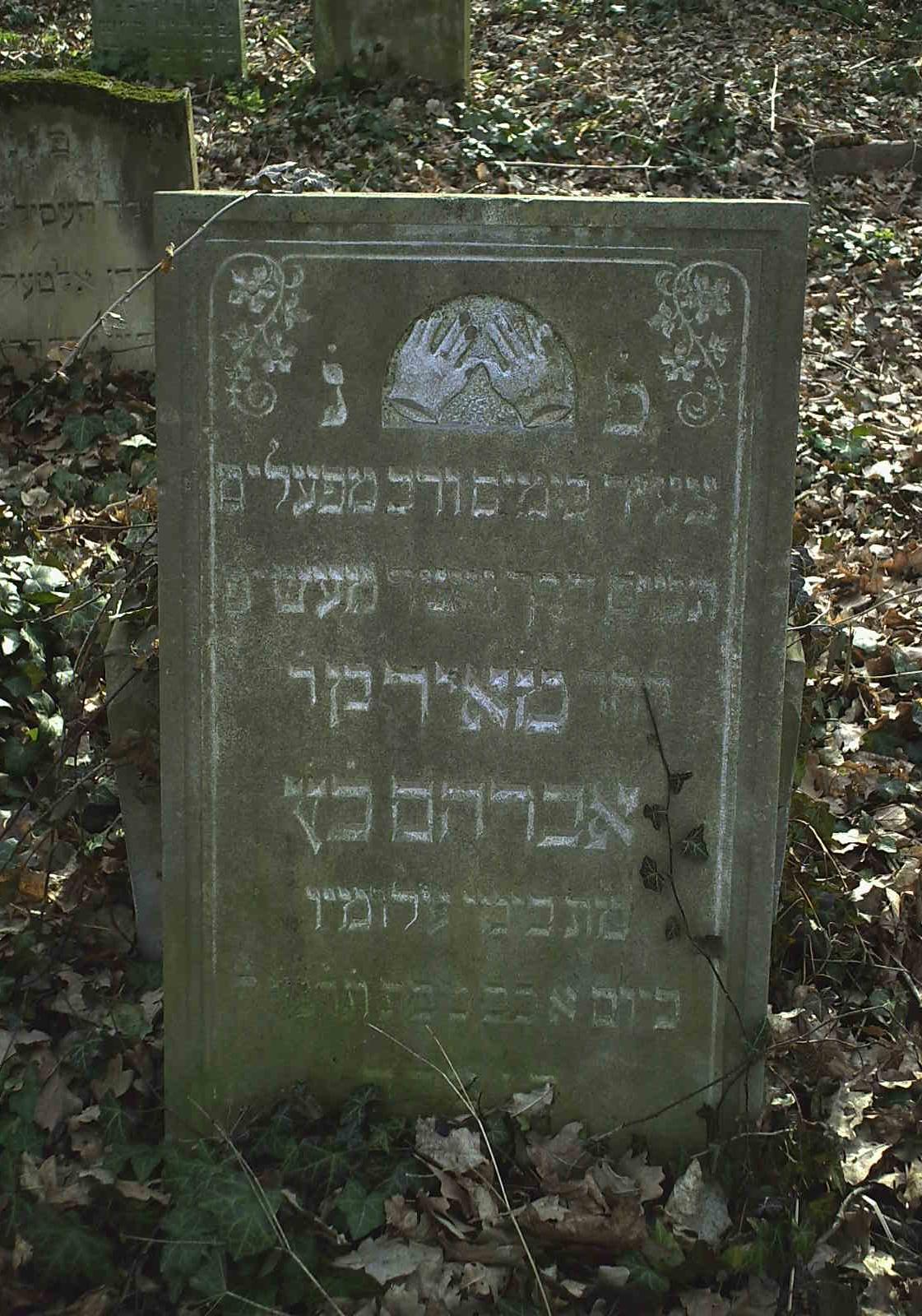
Beit Alpha synagogue mosaic
Archaeological

Beit Alpha synagogue mosaic

פְּסֵיפַס בֵּית אַלְפָא

Provenance : Bet Alpha (Galilée)

Mosaic pavement of a Byzantine synagogue, depicting the binding of Isaac, a zodiac wheel, and the holy ark.

Art

Illuminated Shiviti-Mizrah plaque from Eastern Europe

לוח שיויתי-מזרח מאויר ממזרח אירופה

Provenance : Europe orientale

Material : Papier découpé ou peint

The shiviti, bearing the verse "I have set the Lord always before me," was hung in the synagogue or home, often merged with the mizrah marking the direction of prayer. In Eastern Europe these papercut or painted plaques unfold menorah, columns and interlaced verses.

Havdalah set
Ritual

Havdalah set

נר הבדלה

Set comprising a holder for the braided multi-wicked candle and a cup, used during the havdalah ceremony closing the Sabbath. The multiple flame is a ritual requirement.

Ritual

Embroidered Torah Mantle (Meil) from Holland

מעיל תורה רקום מהולנד

Provenance : Hollande (Amsterdam)

Material : Velours, soie, fils d'or et d'argent

Torah scroll cover of the wealthy Sephardi and Ashkenazi communities of Amsterdam. Cut from velvet or silk, the mantle is richly embroidered in metallic thread with crowns, columns and baroque vases, and bears a Hebrew dedication. The splendor of these pieces reflects the prosperity of the Dutch congregations of the Golden Age.

Ritual

Copper Eternal Lamp (Ner Tamid) from Morocco

נר תמיד מנחושת ממרוקו

Provenance : Maroc

Material : Cuivre ou laiton ajouré, chaînes, godet de verre

Hanging lamp burning permanently before the holy ark of Moroccan synagogues. Coppersmiths made these of pierced copper or brass mounts, often shaped as a lantern or star, suspended by chains and holding a glass cup of floating oil. The pierced work casts plays of light, in the Hispano-Moorish ornamental repertoire.

Funerary

Sephardi tombstone (Matzevah) from Morocco

מצבה ספרדית ממרוקו

Provenance : Maroc

Material : Pierre gravée

In Moroccan Jewish cemeteries many graves are horizontal slabs or low stelae, whitewashed with lime, engraved with a Hebrew epitaph giving the deceased's name, lineage and praises. The tombs of saints (tsaddiqim) become places of pilgrimage.

Esther scroll (Megillah) and case
Ritual

Esther scroll (Megillah) and case

מְגִילַּת אֶסְתֵּר

Provenance : Diaspora

Handwritten scroll of the Book of Esther read at Purim, often kept in an ornate silver case.

Ritual

Childbed protection plaque "ben porat" in silver, Yemen

לוחית הגנה ליולדת 'בן פורת' מכסף, תימן

Provenance : Yémen

Material : Argent gravé et filigrané

Plaque hung in the new mother's room, engraved with the formula "ben porat Yosef", reputed to turn the evil eye away from mother and child. In Yemen these silver filigree plaques joined the infant's amulets. The verse of Joseph's blessing was widely used as a family protection in the Eastern communities.

Ritual

Eternal lamp (Ner Tamid) in silver from Italy

נר תמיד מכסף מאיטליה

Provenance : Italie

Material : Argent

The ner tamid, the perpetual lamp hung before the ark, recalls the flame of the Temple. Italian examples in pierced and repoussé silver take the form of suspended vases or censers on chains, in the baroque taste.

Art

Italian-rite illustrated Esther scroll with figures

מגילת אסתר

Provenance : Italie

Material : Parchemin

Date : XVIIe siècle

This scroll (meguila) contains the book of Esther, read publicly in the synagogue during the festival of Purim, which celebrates the salvation of the Jews of Persia from Haman's plot. Following Italian usage, the columns of text are framed by engraved or painted borders, and Italian méguilot are distinguished by their rich ornamental programs. They develop narrative scenes illustrating the story, historiated architectural porticoes and motifs inherited from Renaissance and Baroque art. An object of festive devotion that permits imagery, the illustrated Esther scroll makes the Italian meguila one of the summits of Jewish book art.

Art

Engraved Jewish bookplate (ex-libris)

תווי ספר (אקס-ליבריס) יהודי

Provenance : Europe

Material : Papier (gravure)

The bookplate, a label pasted in a book to mark ownership, was adopted by Jewish bibliophiles. Engraved with symbols — menorah, blessing hands, bookshelves — and a Hebrew motto, these small sheets document Jewish libraries and learned taste.

Silver Torah crown (Keter) from Italy
Ritual

Silver Torah crown (Keter) from Italy

כתר תורה מכסף מאיטליה

Provenance : Italie

Material : Argent repoussé et ciselé

The keter is a crown set atop the Torah scroll. Italian examples in repoussé and chased silver feature openwork arches, flowers and sometimes bells, in a baroque taste close to contemporary church silver.

Ritual

Pewter Seder plate from Central Europe

קערת סדר מבדיל ממרכז אירופה

Provenance : Europe centrale

Material : Étain gravé

The Seder plate presents the symbolic foods of the Passover night. Central European examples in engraved pewter often bear the order of the Seder, scenes of the Exodus and labels for the foods, within reach of modest families.

Art

Embroidered challah cover from Morocco

מפת חלה רקומה ממרוקו

Provenance : Maroc

Material : Velours et fils d'or

The challah cover veils the two braided Sabbath loaves during Kiddush. In Morocco it is often of velvet embroidered in gold thread in the "ntaa" technique, with floral motifs and the words "Shabbat Kodesh."