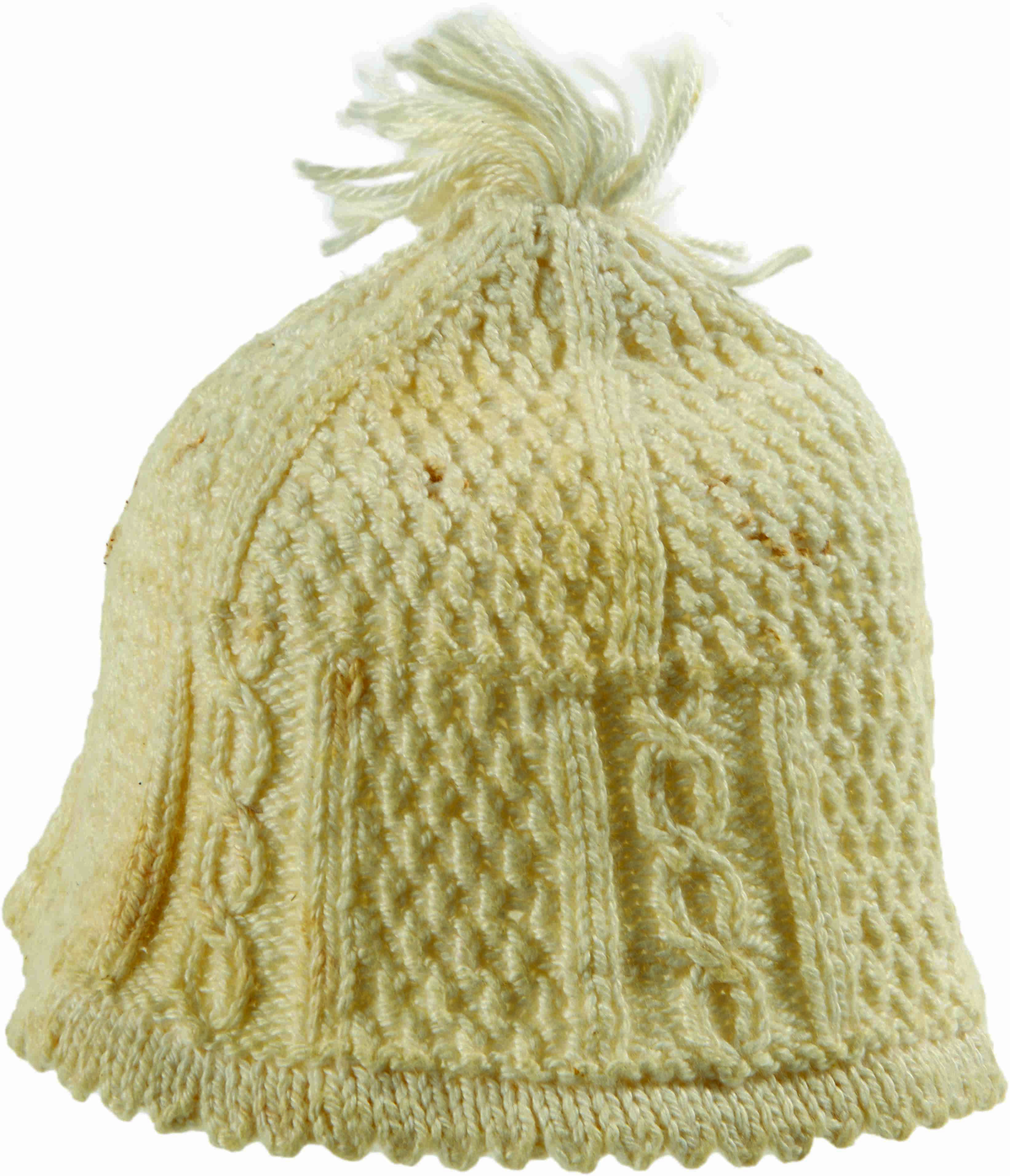
הכיפה של האדמו"ר רבי חיים זנוויל אברהמוביץ - "הרבי מריבניץ"
הכיפה של האדמו"ר רבי חיים זנוויל אברהמוביץ - "הרבי מריבניץ"
Kedem Auction House Ltd., Jérusalem · deposited on September 4, 2026 · History register · custodian, not owner
❧ Description
A woolen skullcap (yarmulke) that belonged to the holy Admor Rabbi Hayyim Zanvil Abramowitz — the Rebbe of Ribnitz (the Ribnitzer).
The Admor Rabbi Hayyim Zanvil Abramowitz — "the Rebbe of Ribnitz" (1898–1995), was born in Botoșani, Romania, and was orphaned of his father at the age of two and a half. A towering gaon and miracle-working tzaddik, he served with self-sacrifice as Admor under the Communist regime in Romania. As a young orphan he was raised in the household of the Admor Rabbi Yehudah Aryeh Leib Frenkel of Botoșani, and was ordained by Rabbi Yehudah Leib Zirelson; but above all he became a close disciple and member of the household of the Admor Rabbi Abraham Mattityahu Friedman of Shtefanesti. It is told that the Rebbe of Shtefanesti, who had no children, called him "my dear son" and said of him: "You are my innovation," while he in turn would say of the Rebbe of Shtefanesti: "I am his only son." At the Rebbe of Shtefanesti's passing, the latter said to him: "I am leaving you three things: my ruach hakodesh, my form, and my grace." He was an exceptional gaon and scholar and testified of himself that already at the age of 18 he knew the entire Shas. From his youth he was known for his Hasidic conduct and his asceticism; he would afflict himself, immerse in ice, fast for long days wrapped in tallit and tefillin until nightfall, and recite Tikkun Chatzot with bitter tears for long hours, clothed in sackcloth.
After the Second World War, many rabbis left the Soviet-occupied region because of the difficulty of maintaining a religious way of life under Communist rule, but he remained in the city of Râbnița (today in Moldova), where he began to serve as Admor with complete self-sacrifice. Despite the authorities' prohibition, he continued to observe mitzvot publicly, performing shechita and circumcisions for Jews of the region and delivering Torah classes. Through his efforts, full Hasidic life was miraculously preserved behind the Iron Curtain. The Communist officials knew him and were aware of his activities, yet respected him. It is related that he was once arrested for his activities, but was released after he promised the judge that his wife would recover if he were freed. After the fall of the Iron Curtain, he ascended to Jerusalem and subsequently emigrated to the United States, where multitudes thronged to his door.
He was renowned as a possessor of ruach hakodesh and himself testified that he was capable of seeing "from one end of the world to the other." He became widely celebrated as a miracle-working tzaddik who brought salvation. Tens of thousands came to consult him and receive his blessing, and witnessed wondrous salvations and miracles. He would nullify people's illnesses through his blessing, and many found their life partners and were blessed with children through his merit. He had an extraordinary love of Israel and was capable of weeping bitterly upon hearing of another person's troubles. He would say that the salvations he wrought came through his ability to feel the other's pain, to weep and pray for him.
He passed away at an advanced age, close to one hundred years old. His grave in the city of Monsey is a pilgrimage site, and thousands come to prostrate themselves at his tomb each year. The Hasidic singer Mordechai Ben David (Werdyger), who was bound to him heart and soul, dedicated to him the song "Oy Rebbe" on his album "Ein Od Milvado."
Included is a signed certificate with a photograph of the yarmulke from the Admor's gabbai, who served in his holy service and attests that this yarmulke belonged to the Admor and that he wore it for a long period.
Diameter: 21 cm. Stains.
◈ Consult online
This piece was submitted as a link: it is consulted on the site that hosts it.
Address provided by the contributor. This content is not hosted here, and its availability is beyond our control.
❧ Illustrations
kedem-n63550-22 — vue 1 · Kedem Auction House Ltd., Jérusalem
עב עברית
כיפת צמר (ירמולקה), שהייתה שייכת לאדמו"ר הקדוש רבי חיים זנוויל אברהמוביץ - הרבי מריבניץ (הריבניצער).
האדמו"ר רבי חיים זנוויל אברהמוביץ - "הרבי מריבניץ" (תרנ"ח-תשנ"ו), נולד בבוטושאן שברומניה ונתייתם מאביו בגיל שנתיים וחצי. גאון עצום וצדיק בעל מופת, שכיהן במסירות נפש כאדמו"ר תחת השלטון הקומוניסטי ברומניה. כיתום צעיר גדל בבית האדמו"ר רבי יהודה אריה ליב פרנקל מבוטושאן ונסמך להוראה ע"י רבי יהודה לייב צירלסון, אך במיוחד הפך לבן-בית ותלמיד קרוב של האדמו"ר רבי אברהם מתתיהו פרידמן משטפנשט. מספרים כי הרבי משטפנשט, שלא היו לו ילדים, כינה אותו "בני היקר" ואמר עליו: "אתה החידוש שלי", והוא מצדו היה אומר על הרבי משטפנשט: "אני בן יחיד שלו". בפטירתו של הרבי משטפנשט אמר לו: "אני משאיר לך שלושה דברים: את רוח הקודש שלי, את הצורה ואת החן שלי". היה גאון ובקי מופלג והעיד על עצמו שכבר בהיותו בגיל 18 ידע את כל הש"ס. כבר בצעירותו נודע בהנהגות החסידות והפרישות שלו, נהג לסגף את עצמו, היה טובל בקרח, צם ימים ארוכים כשהוא עטוף בטלית ותפילין עד הלילה, ועורך "תיקון חצות" בדמעות שליש במשך שעות ארוכות כשהוא לבוש שק.
לאחר מלחמת העולם השניה עזבו רבנים רבים את אזור הכיבוש הרוסי, בשל הקושי לקיים אורח חיים דתי תחת השלטון הקומוניסטי, אך הוא נשאר בעיר ריבניצה (Râbniţa, כיום במולדובה), שם החל לכהן כאדמו"ר במסירות נפש. למרות איסור השלטונות, המשיך לקיים מצוות בגלוי, היה שוחט ועורך בריתות ליהודי האזור, ומוסר שיעורי תורה. בזכותו השתמרו באורח פלא חיים חסידיים מלאים מאחורי מסך הברזל. הפקידים הקומוניסטים הכירו אותו וידעו על מעשיו, אך כיבדו אותו. מספרים כי פעם נעצר על פעילותו, אך שוחרר כשהבטיח לשופט כי אשתו תתרפא אם ישחררו. לאחר נפילת מסך הברזל, עלה לירושלים ולאחר מכן היגר לארצות הברית, שם צבאו על דלתותיו המונים.
היה ידוע כבעל רוח הקודש ואף הוא העיד על עצמו כי ביכולתו לראות "מקצה העולם ועד סופו". נתפרסם מאד כצדיק בעל מופת ופועל ישועות. רבבות באו להתייעץ עמו ולהתברך מפיו, וראו ישועות ומופתים מופלאים. היה מבטל מחלות של האנשים בברכתו, ורבים מצאו את זיווגם ונפקדו בילדים בזכותו. היה אוהב ישראל מופלג והיה מסוגל לבכות בכי תמרורים לשמע צרותיו של אדם אחר. נהג לומר כי הישועות שהוא פועל הם בזכות שמרגיש את צערו של השני, בוכה ומתפלל עליו.
נפטר בגיל מופלג קרוב למאה שנים. קברו שבעיר מונסי הוא מוקד עליה לרגל, ואלפים באים להשתטח על ציונו מדי שנה. הזמר החסידי מרדכי בן-דוד (ורדיגר), שהיה קשור אליו בלב ובנפש, הקדיש לו את השיר "אוי רבי" באלבומו "אין עוד מלבדו".
מצורף אישור חתום עם תמונת הכיפה מגבאי האדמו"ר ששימש בקודש ומעיד כי כיפה זו היתה שייכת לאדמו"ר וכי חבש אותה במשך תקופה ארוכה.
קוטר: 21 ס"מ. כתמים.